Today, at the Renaissance Polat Hotel in Istanbul, the TPSS 2026 Summit hosted internationally renowned Palestinian-American Muslim Scholar Dr. Omar Suleiman. The title of his talk was “What is Prophetic Leadership and Prophetic Strategy?”.
Here are the key takeaways from Dr. Omar's session:
Leadership is an Amanah (Trust)
One of the biggest takeaways for me was that leadership in Islam is an amanah (trust), not a title or position. It's not about building my team, my organisation or my vision. Instead, it's about recognising that everything belongs to Allah and that we're simply entrusted to serve His cause. Even changing our language from "my" to "our" helps shift our mindset from ownership to stewardship.
Leadership sits on Trust and Sincerity
Trust sits at the heart of leadership. People don't just follow competence—they follow sincerity. They need to trust that your intentions aren't self-serving, that your decision-making process is fair and transparent, and that your principles don't change depending on what's convenient or who benefits.
Arrogance Has No Place in Leadership
Another powerful reminder was that every gift, talent and success we have comes from Allah. Confidence is important, but arrogance has no place in leadership. The best leaders remain humble because they know they are only beneficiaries of Allah's blessings, not the source of them.
Remaining a Follower
I also loved the emphasis on remaining a follower even while leading. The Prophet ﷺ followed the guidance of those before him, and great leaders today should intentionally keep learning, listening, delegating and allowing others to lead in areas where they have expertise. If we're always the loudest voice in the room, we stop growing.
People Should Never Become Resources
People should never become resources to achieve our own ambitions. Our teams, volunteers and colleagues are travelling the same journey towards Allah, and we should genuinely care about their growth, wellbeing and success—not simply what they can contribute.
"Frontline Visibility" vs. "Frontline Sacrifice"
The distinction between frontline visibility and frontline sacrifice was particularly impactful. Leadership isn't about being seen; it's about being willing to carry the burden first, take the risks, and stand alongside your people when things get difficult. The Prophet ﷺ consistently modelled this by putting himself at the front of hardship rather than asking others to bear it alone.
Strategy and Principles
On strategy, one point that really stayed with me was that strategy must always be constrained by principles. Organisations can grow in numbers while losing sincerity and values. That's why principles shouldn't just be written at the start of an organisation and forgotten—they need to be revisited regularly so every strategy is measured against them.
The Importance of Forgiveness and Consultation
Another key lesson was the importance of forgiveness and consultation. Healthy teams don't avoid conflict; they deal with it. Honest conversations, forgiveness and keeping hearts united are all part of prophetic leadership.
The example after Uhud was especially striking—those who made mistakes weren't publicly shamed or permanently excluded. They were forgiven, protected and continued to be part of the mission.
Dr Omar also highlighted the importance of shura (consultation). Involving people in decisions doesn't just produce better ideas; it builds ownership and protects leaders from believing they always know best. Once consultation has taken place, however, there comes a point where we make a decision, place our trust in Allah, and move forward. If things don't work out, we don't blame one another—we reflect, learn, forgive and improve the process for next time.
Striking the Balance Between Hesitation and Haste
Finally, Islamic leadership teaches us to strike the balance between hesitation and haste. We consult, think carefully and seek advice, but we don't become paralysed by overthinking. Once we've taken the means, we rely on Allah, knowing that outcomes are ultimately in His hands.
Overall Summary
Overall, the talk was a beautiful reminder that leadership in Islam is less about influence and recognition, and more about sincerity, humility, justice, service, sacrifice and complete reliance on Allah. It's about carrying an amanah with excellence while helping others draw closer to Him.
Related content
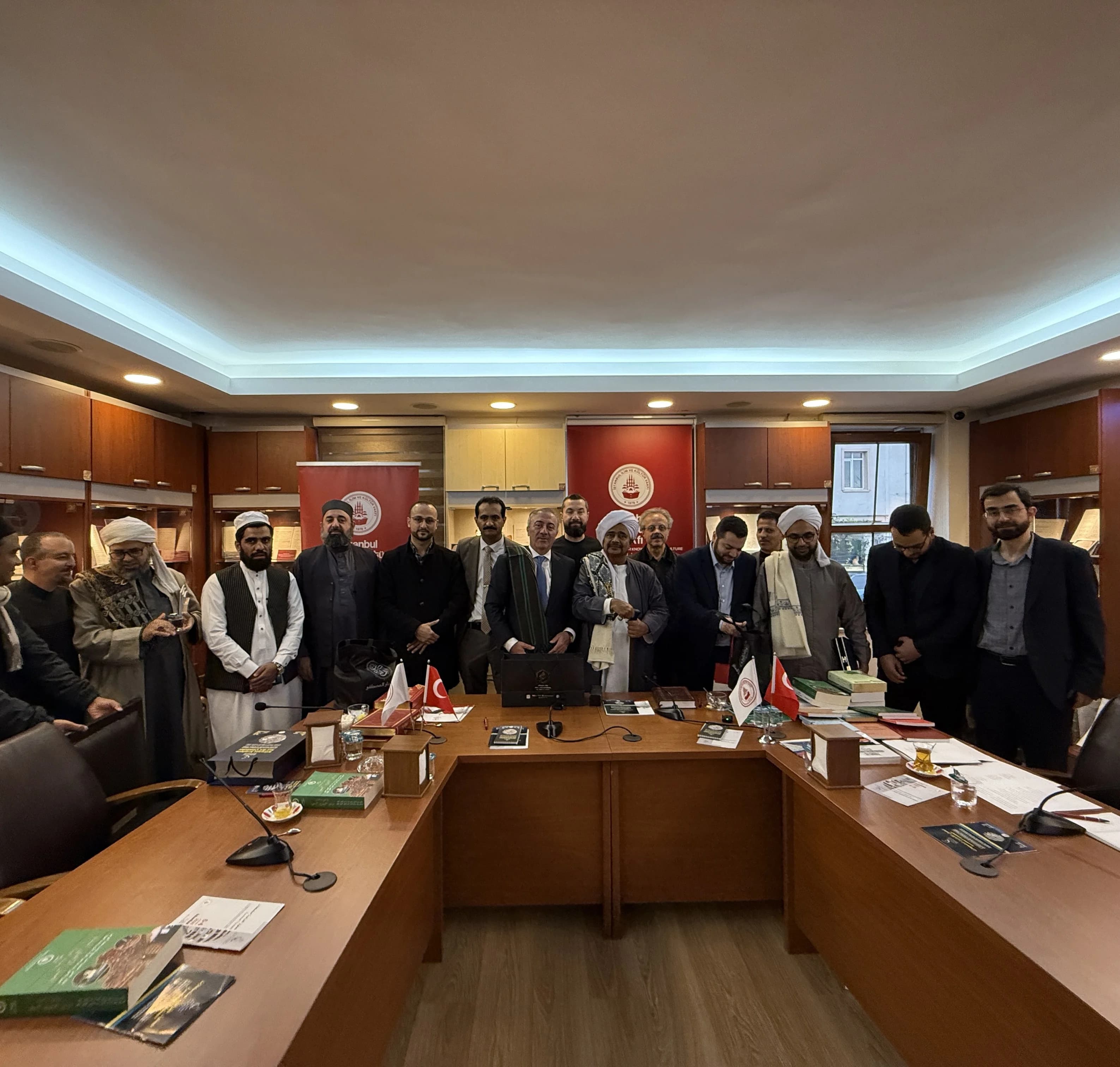
Habib Ömer bin Hafiz Emphasizes Faith and Brotherhood During His Visit to the IIKV
Yemeni Islamic scholar Habib Ömer bin Hafiz, who visited the Istanbul Science and Culture Foundation, shared his insights on strengthening faith, the spiritual education of children, and brotherhood among Muslims. Following the gathering, during which excerpts from the Risale-i Nur were read, the participants visited the Department of Sacred Relics at Topkapı Palace.
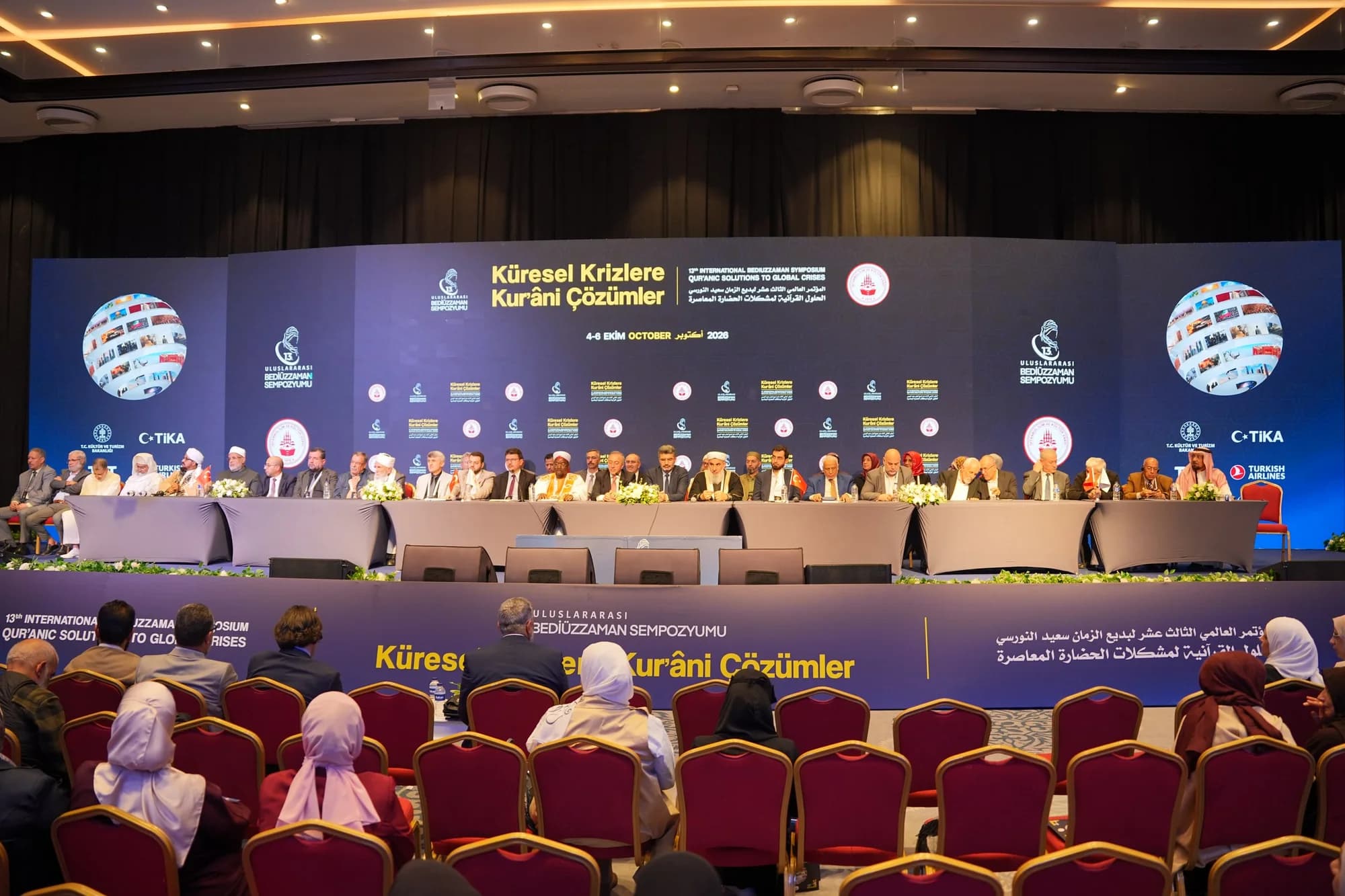
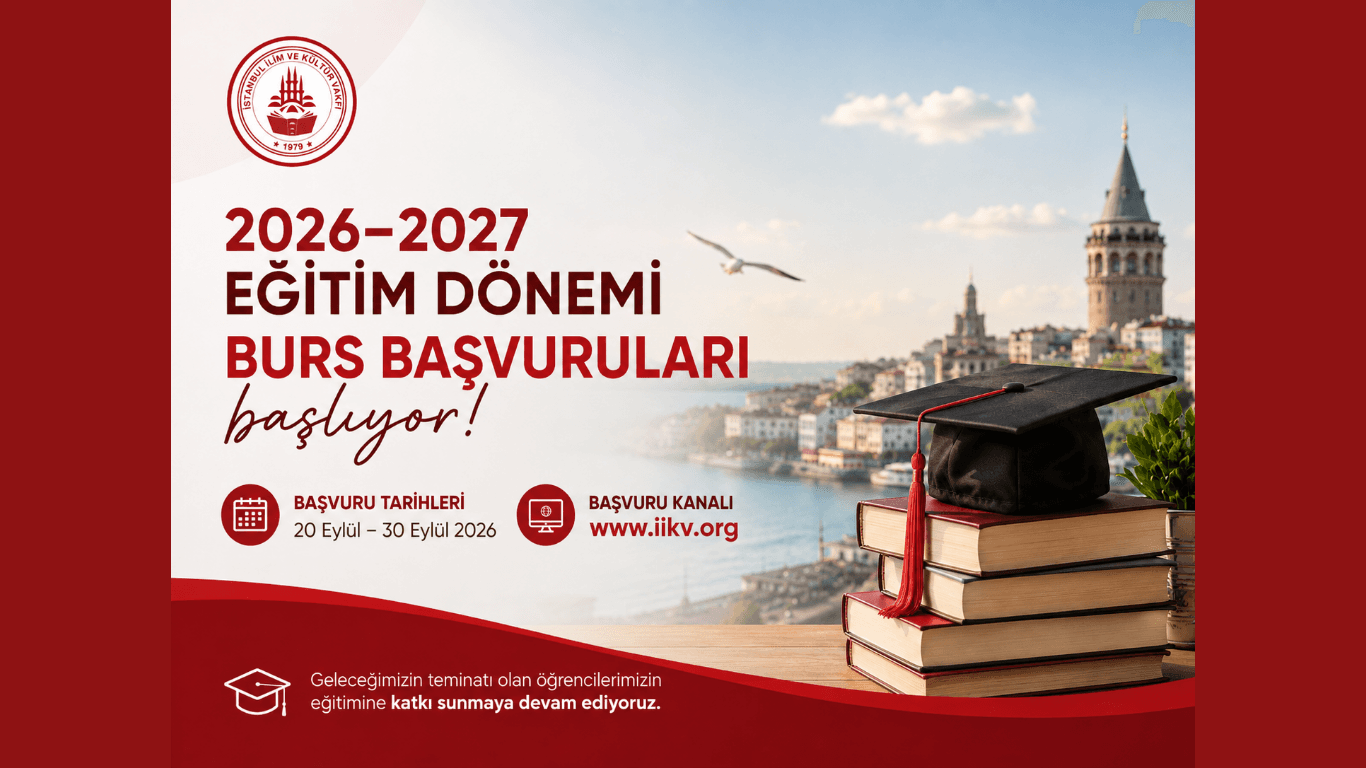
2026–2027 Scholarship Applications Have Begun
Undergraduate, master’s, and doctoral students may apply for scholarships by filling out the online form at iikv.org by 11:59 p.m. on September 30, 2026.