Yemeni Islamic scholar Habib Ömer bin Hafiz, who visited the Istanbul Science and Culture Foundation, shared his insights on strengthening faith, the spiritual education of children, and brotherhood among Muslims. Following the gathering, during which excerpts from the Risale-i Nur were read, the participants visited the Department of Sacred Relics at Topkapı Palace.
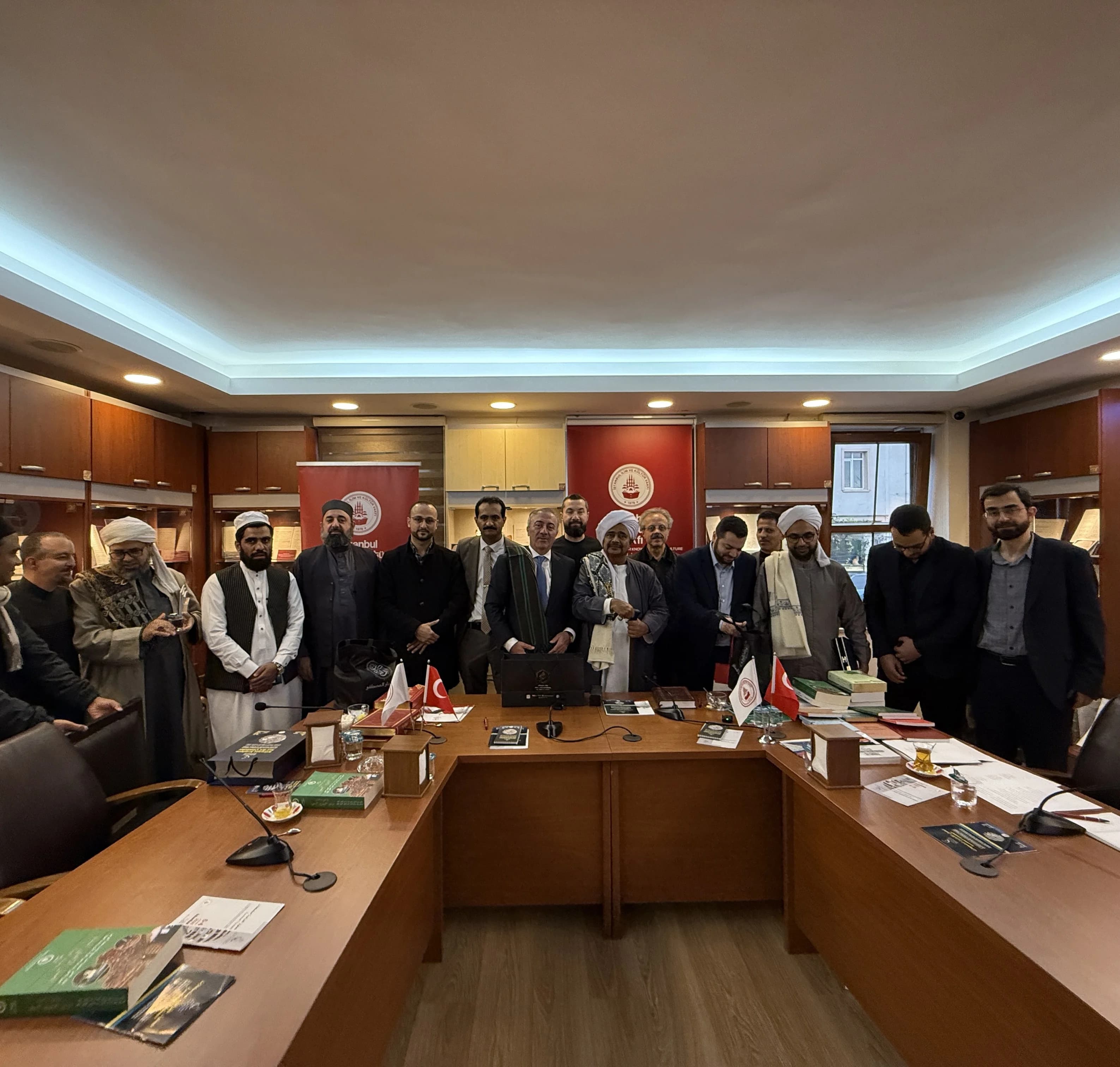
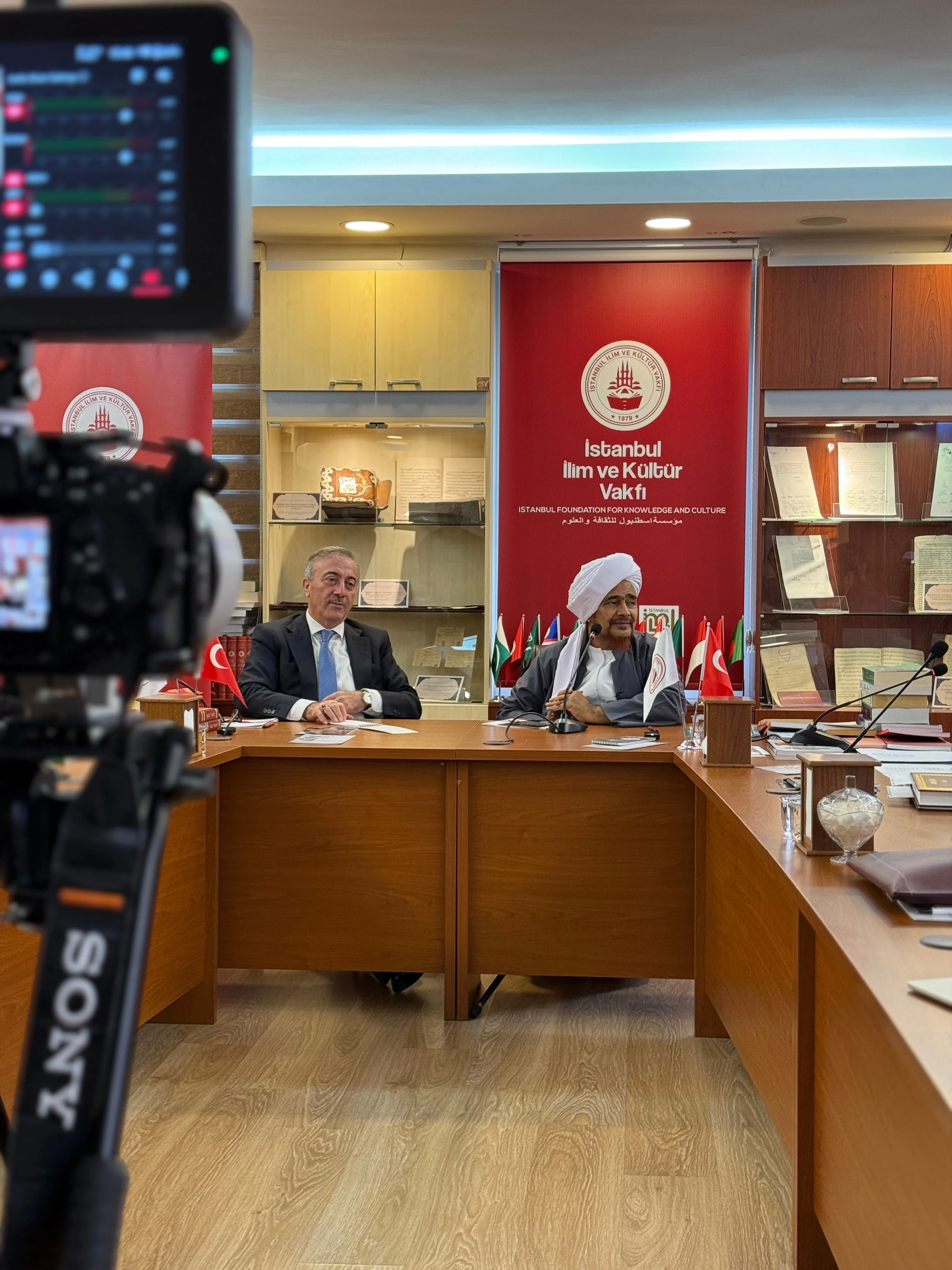
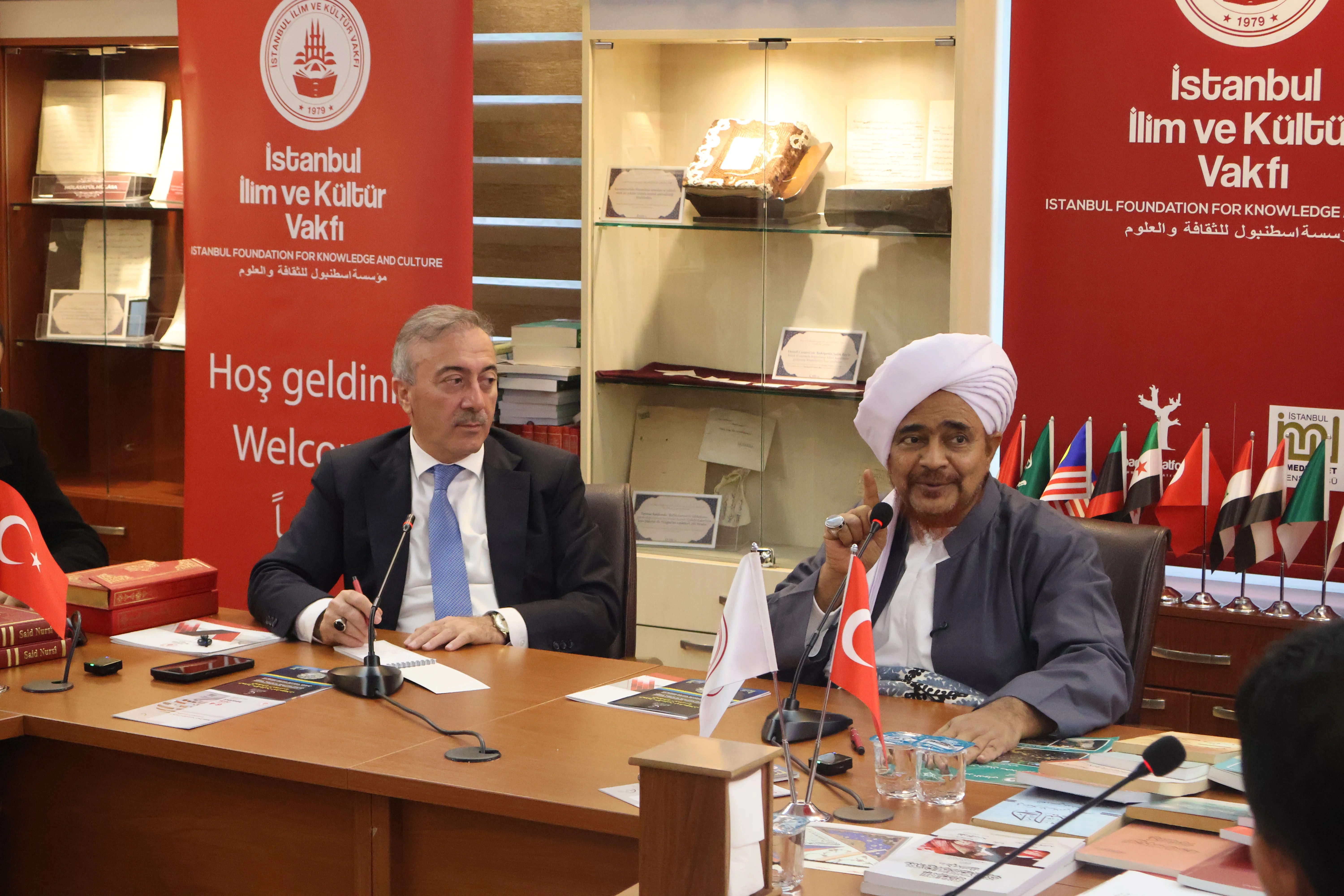
ISTANBUL — Habib Ömer bin Hafiz, a Yemeni Islamic scholar and founder of the Dar al-Mustafa educational center, visited the Istanbul Science and Culture Foundation (İİKV) and met with Board of Trustees Chairman Said Yüce, academics, and foundation members.
During the meeting, topics such as the reflection of faith in daily life in the light of the Qur’an and Sunnah, love for the Ahl al-Bayt, service through knowledge, and the ethics of brotherhood were discussed. Excerpts from the works of Bediüzzaman Said Nursi were read in Arabic, and information was provided about the foundation’s activities in Turkey and various other countries.
Born in 1963 in the city of Tarim in Yemen’s Hadramut region, Habib Ömer bin Hafiz received his early religious education from his father and the region’s scholars. Dârü’l-Mustafa, which he founded in Tarim, operates as a center where students from various countries receive education in Islamic sciences, primarily the Qur’an, hadith, and fiqh. In his teaching and guidance activities, Habib Ömer integrates knowledge, ethics, and spiritual education.
Expressing his gratitude to Yüce for the visit, Habib Ömer noted that he views such meetings as part of his responsibilities toward the religion and the Muslim community, stating, “This visit is one of our important duties connected to our commitment to this religion and this Muslim community.”
A service philosophy that reaches hearts and souls
Said Yüce described the activities of the foundation, which was established in 1979 and operates for the public good. Noting that they prioritize reaching out to various segments of society in addition to their work with universities, Yüce stated that they have cooperation agreements with approximately 200 organizations and universities.
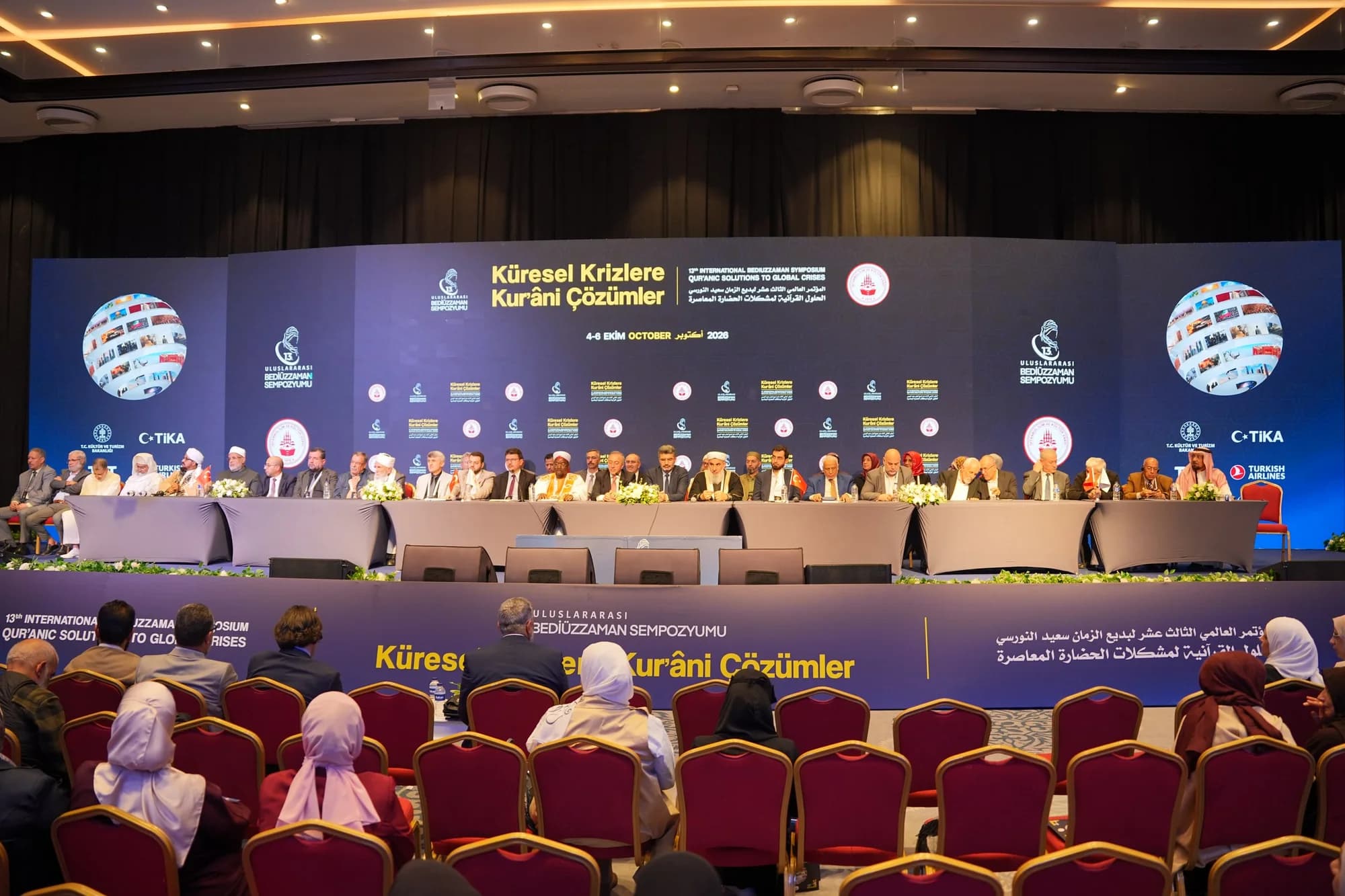
Yüce reported that hundreds of academics from 60 countries participated in the recently held 13th International Bediüzzaman Symposium, adding that the truths Bediüzzaman derived from the Quran have garnered interest in various regions. He also expressed a desire to establish closer collaborations with Habib Ömer in the future.
Emphasizing that Bediüzzaman never deviated from his philosophy of positive action even under the most difficult conditions, Yüce described his method of service as follows: “He followed a method focused on establishing the truths of faith directly in people’s hearts and minds.”
Yüce noted that in religious education and guidance, merely explaining commands and prohibitions is not sufficient; rather, one must first help people come to know Allah and strengthen their faith. Calling for greater emphasis on verses that encourage reflection on the beings in the universe and the act of creation, Yüce noted that the educational and media content children are exposed to is also significant in this regard.
“Faith is the foundation upon which all of this rests.”
Taking the floor following these remarks, Habib Ömer bin Hafiz stated that there is a direct link between a person’s will to obey Allah’s commands and avoid His prohibitions and the strength of their faith.
Noting that a weakening of faith also weakens the effort to do good and avoid evil, Habib Ömer said, “The will to obey Allah’s commands and avoid His prohibitions depends on the strength of one’s faith. The foundation upon which all of this rests is faith.”
Drawing attention to the fact that the rulings in the Qur’an are not considered independently of Allah’s names and attributes or reminders of the Hereafter, Habib Ömer explained the relationship between faith and piety. He emphasized that faith is the foundation, and piety is strengthened upon this foundation.
Habib Ömer noted that the Risale-i Nur’s approach to strengthening faith is significant in this regard. He stressed the need to focus on “tahkiki iman”—a faith grounded in evidence and rooted in one’s daily life.
A Call to Begin Children’s Spiritual Education at an Early Age
Touching on the spiritual education of children, Habib Ömer cited the example of reciting the adhan and iqama into the ear of a newborn child. He explained that even at a time when the child does not yet understand what is being said, becoming acquainted with the remembrance of Allah holds significance from an educational perspective.
Noting that this practice conveys a message regarding child-rearing, Habib Ömer emphasized the need to nurture children’s connection with Allah from a young age, saying, “Raise your children in the remembrance of Allah and faith from the moment they are born.”
Yüce also stated that they would like to hear Habib Ömer’s insights on the Quran, hadith, and the Risale-i Nur in greater detail at future meetings.
Shared Responsibility for the Good of Society
The meeting also addressed the responsibilities of scholars and leaders in social life. Habib Ömer highlighted the importance of bringing together scholars and decision-makers, explaining that different segments of society must fulfill their respective duties for the common good.
Referring to the insights of Imam Abdullah al-Haddad, Habib Ömer mentioned in the same breath the scholar who benefits people through his knowledge, the leader who governs with justice, the individual who sets an example for others through his worship, and the wealthy person who uses his wealth for charitable causes. He stated that whether these segments turn toward the good or shirk their responsibilities affects society as a whole.
Love for the Ahl al-Bayt and the Legacy of Knowledge
One of the main topics discussed at the gathering was love for the Ahl al-Bayt. Yüce noted that this love is strongly emphasized in Bediüzzaman’s works and drew attention to the spiritual legacy that the Ahl al-Bayt have bequeathed to humanity through knowledge and guidance.
Habib Ömer evaluated this approach in light of the love and respect the Companions held for the Ahl al-Bayt. Recalling the support Hazrat Ali provided to the other caliphs through his knowledge, he emphasized the need to correctly understand the spirit of mutual assistance and shared service among the Companions.
In this context, passages from the Risale-i Nur regarding love for the Ahl al-Bayt and Hazrat Ali’s guidance in understanding the truths of faith were read in Arabic. Habib Ömer expressed his satisfaction with the texts that were read.
“Let us not focus on people’s faults; let us focus on their good qualities”
During the meeting, which also featured sections from the “Treatise on Brotherhood,” Habib Ömer emphasized the harm that partisanship, stubbornness, jealousy, and enmity cause both to a person’s inner world and to social life. He explained the importance of preserving brotherhood among believers, controlling anger, and practicing forgiveness, using examples from the Quran.
Stating that a person’s good qualities should not be disregarded because of a single flaw, Habib Ömer recalled the example from the treatise: a ship carrying innocent people cannot be sunk because of a single criminal on board. He emphasized that in human relationships, one should not harbor hostility toward a person as a whole based on a single mistake.
Citing the example of Abu Bakr, who continued to help someone who had hurt him, Habib Ömer explained that one should not abandon one’s own goodness because of another’s fault, saying, “Let us not look at people’s evil deeds; let us look at their good qualities.”
Emphasizing that justice must be upheld not only for Muslims but for all people, Habib Ömer pointed out that the Quran’s call for justice is directed at all of humanity.
Scholarly Ties Between Istanbul and Hadramut
Mona Hassan, a faculty member at Duke University in the U.S., who spoke at the meeting, shared examples from her research on manuscripts in Istanbul’s libraries. Discussing her research on a work by Abu Bakr bin Salim, Hassan highlighted the historical scholarly ties between Istanbul and Hadramut.
Abdullah Santiago, a Colombian employee of the Foundation, also expressed his satisfaction with the gathering. Yüce, meanwhile, recalled Bediüzzaman’s service philosophy—rooted in love and brotherhood—through a memory he shared from Salih Özcan.
The Arabic Edition of the Risale-i Nur Collection Was Presented
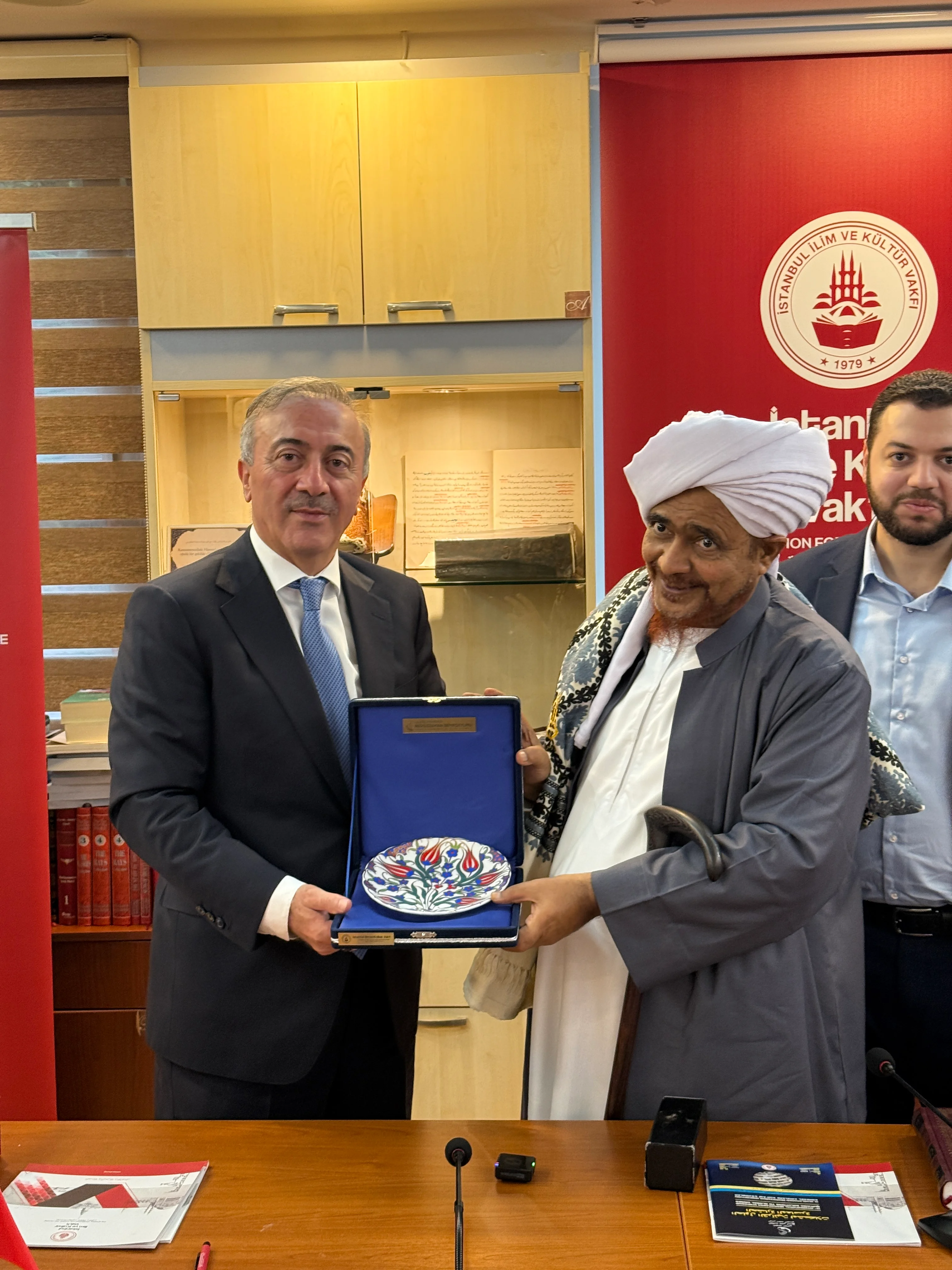
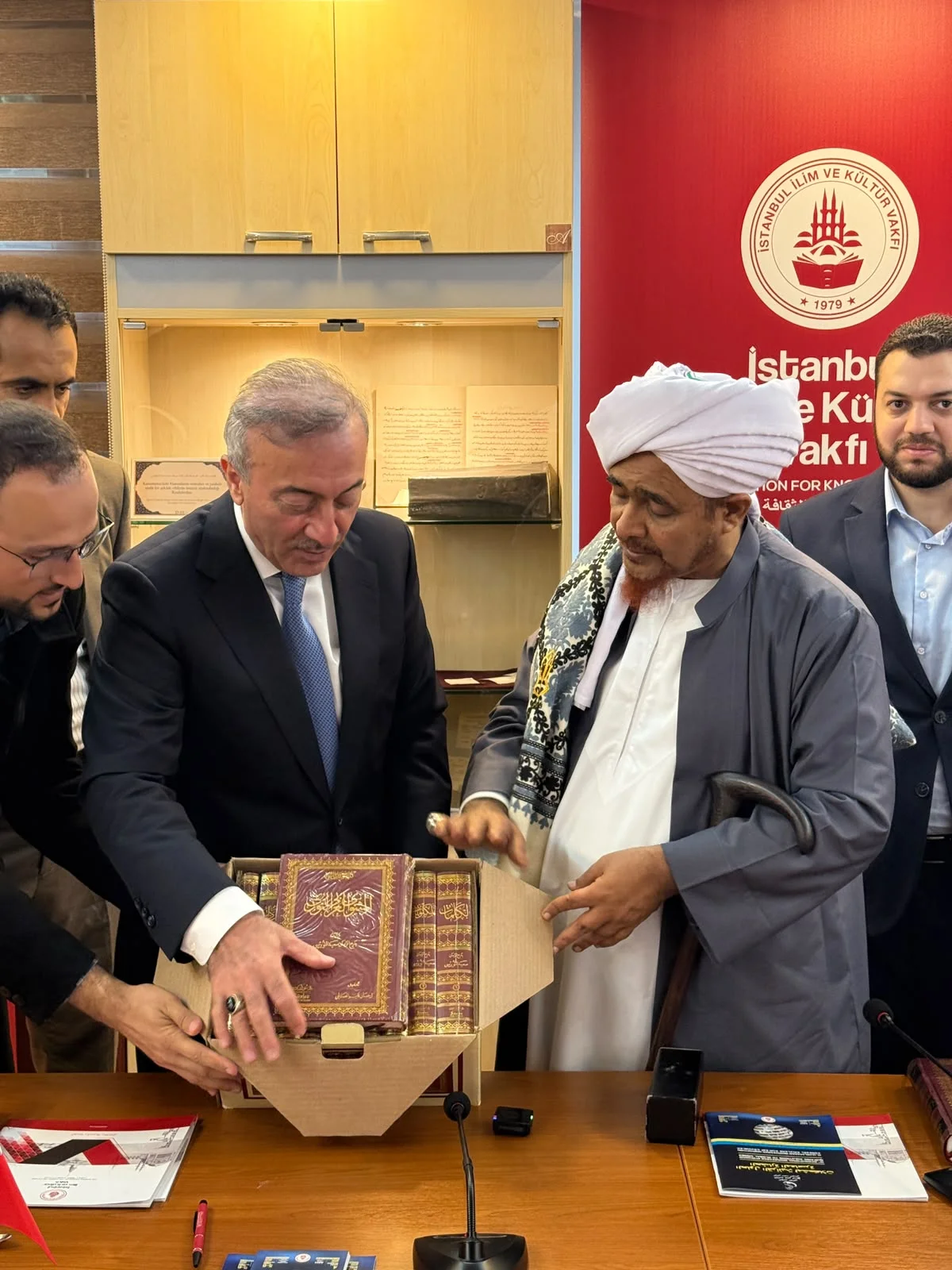
During the visit, Habib Ömer bin Hafiz was presented with the Arabic edition of the Risale-i Nur Collection and a handcrafted ceramic plate. Habib Ömer also presented gifts to Said Yüce, Chairman of the IIKV Board of Trustees.
Visit to the Sacred Relics at Topkapı Palace
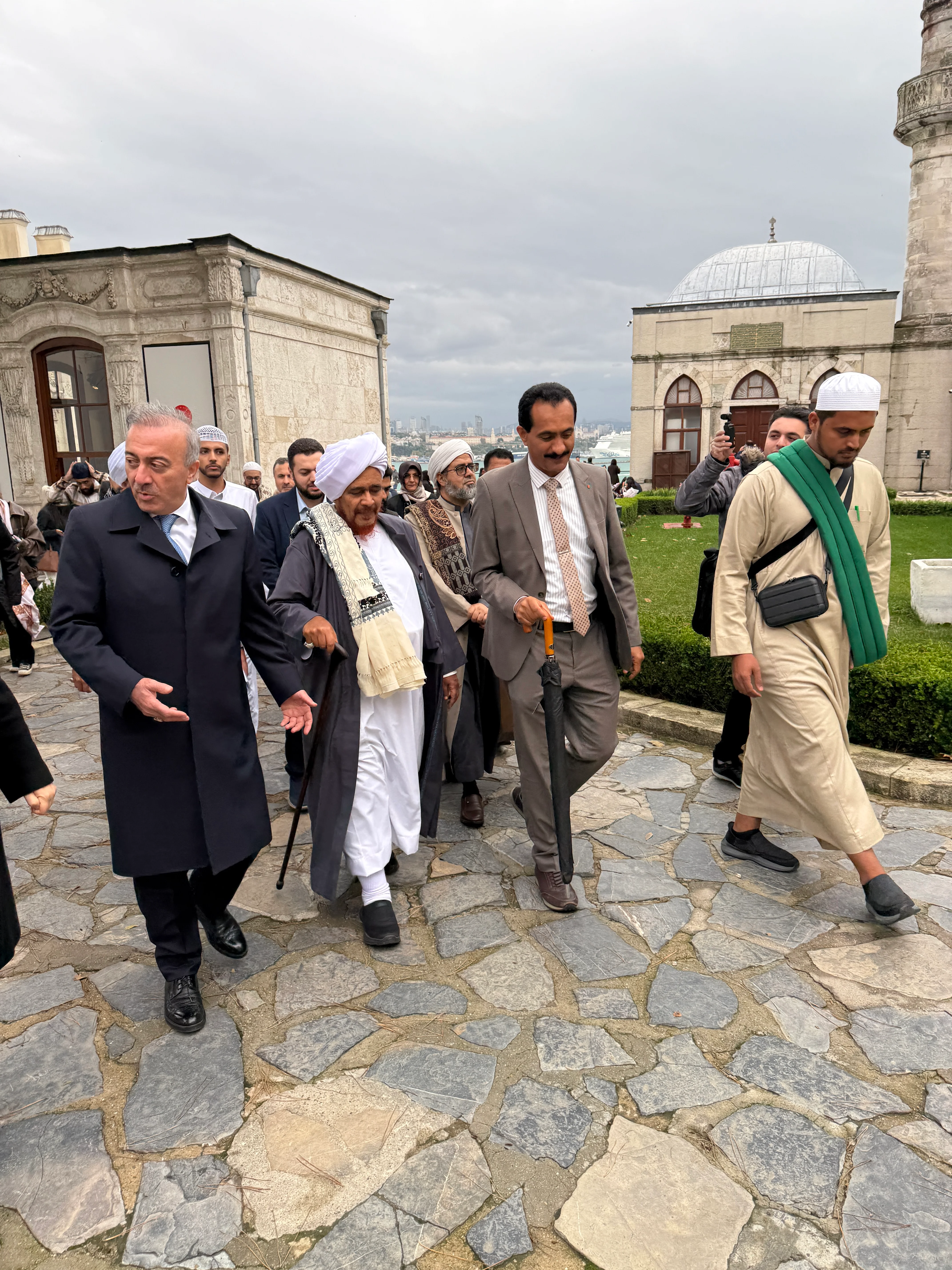
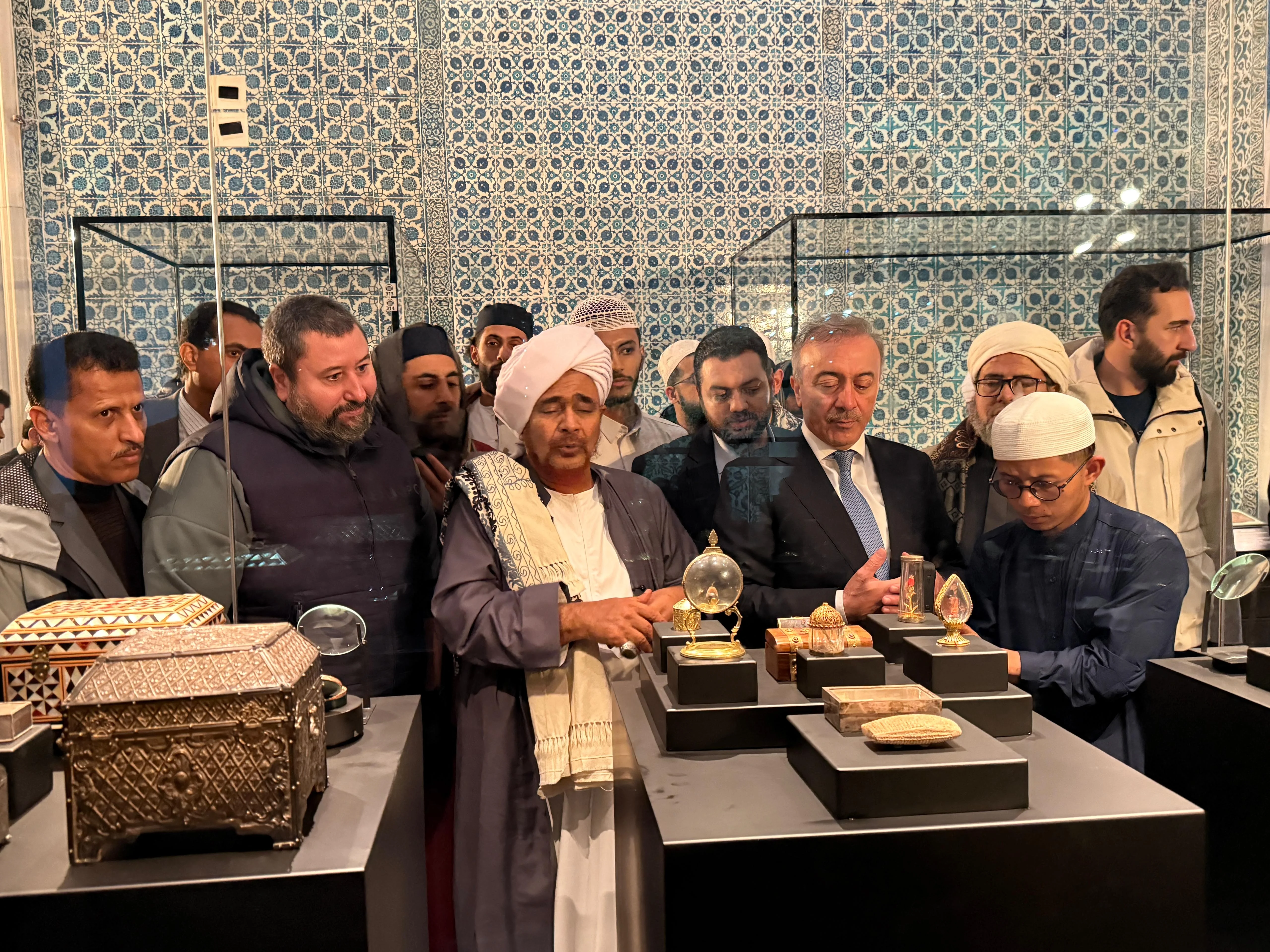
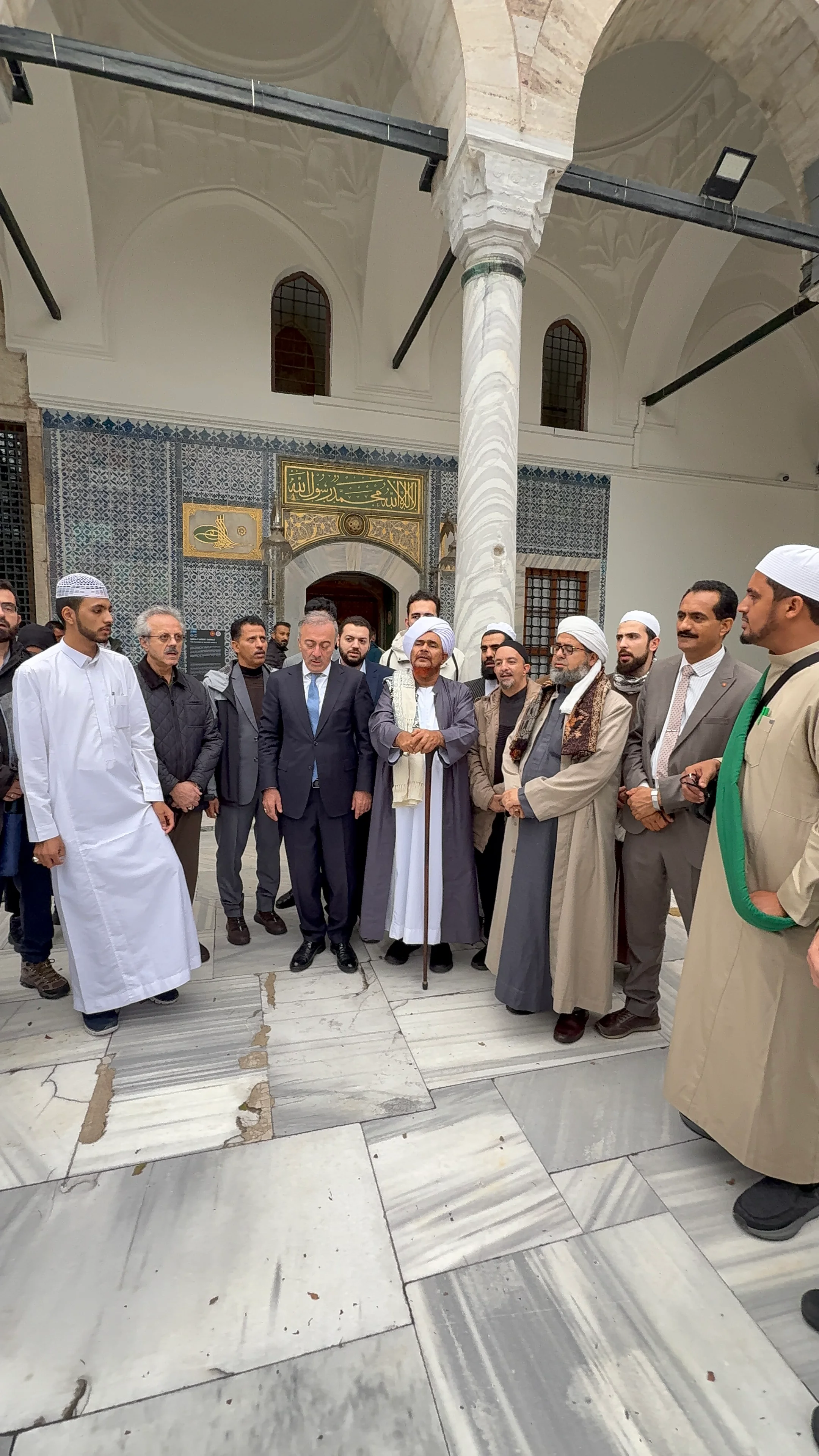
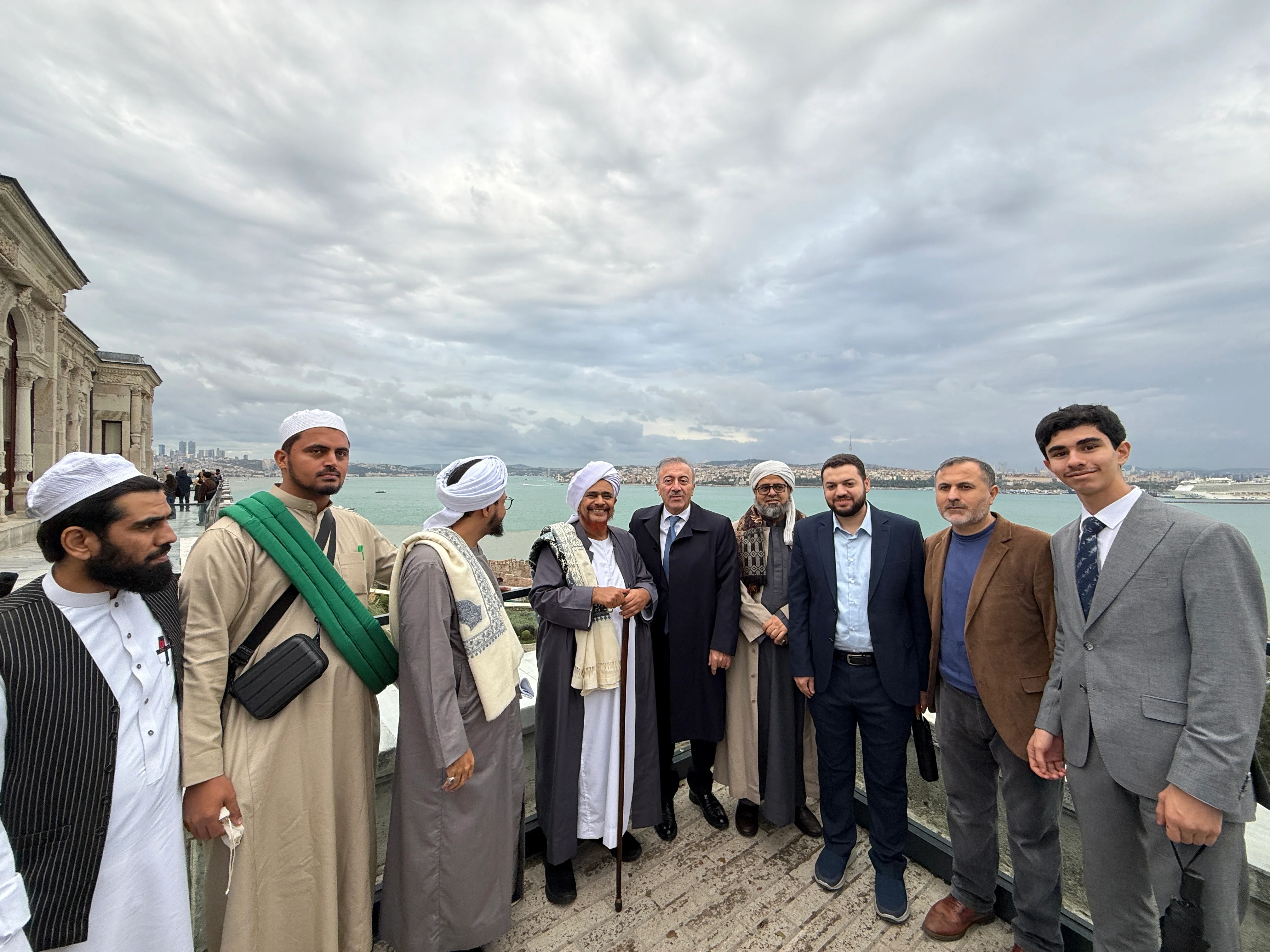
Following the meeting hosted by the Foundation, Habib Ömer bin Hafiz, along with his delegation and Foundation members, jointly visited the Department of Sacred Relics at Topkapı Palace. During the program, which included a visit to the sacred relics, prayers were offered and blessings were recited.
Related content
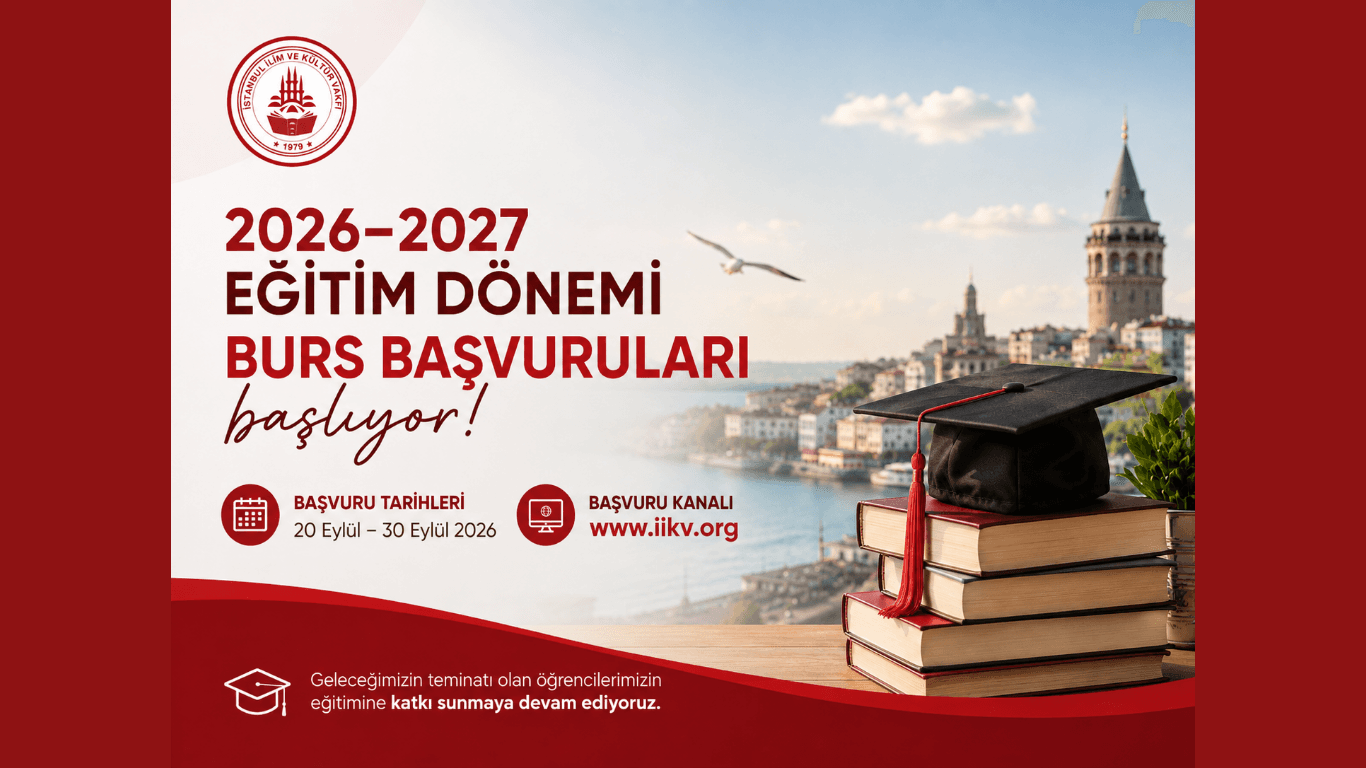
2026–2027 Scholarship Applications Have Begun
Undergraduate, master’s, and doctoral students may apply for scholarships by filling out the online form at iikv.org by 11:59 p.m. on September 30, 2026.