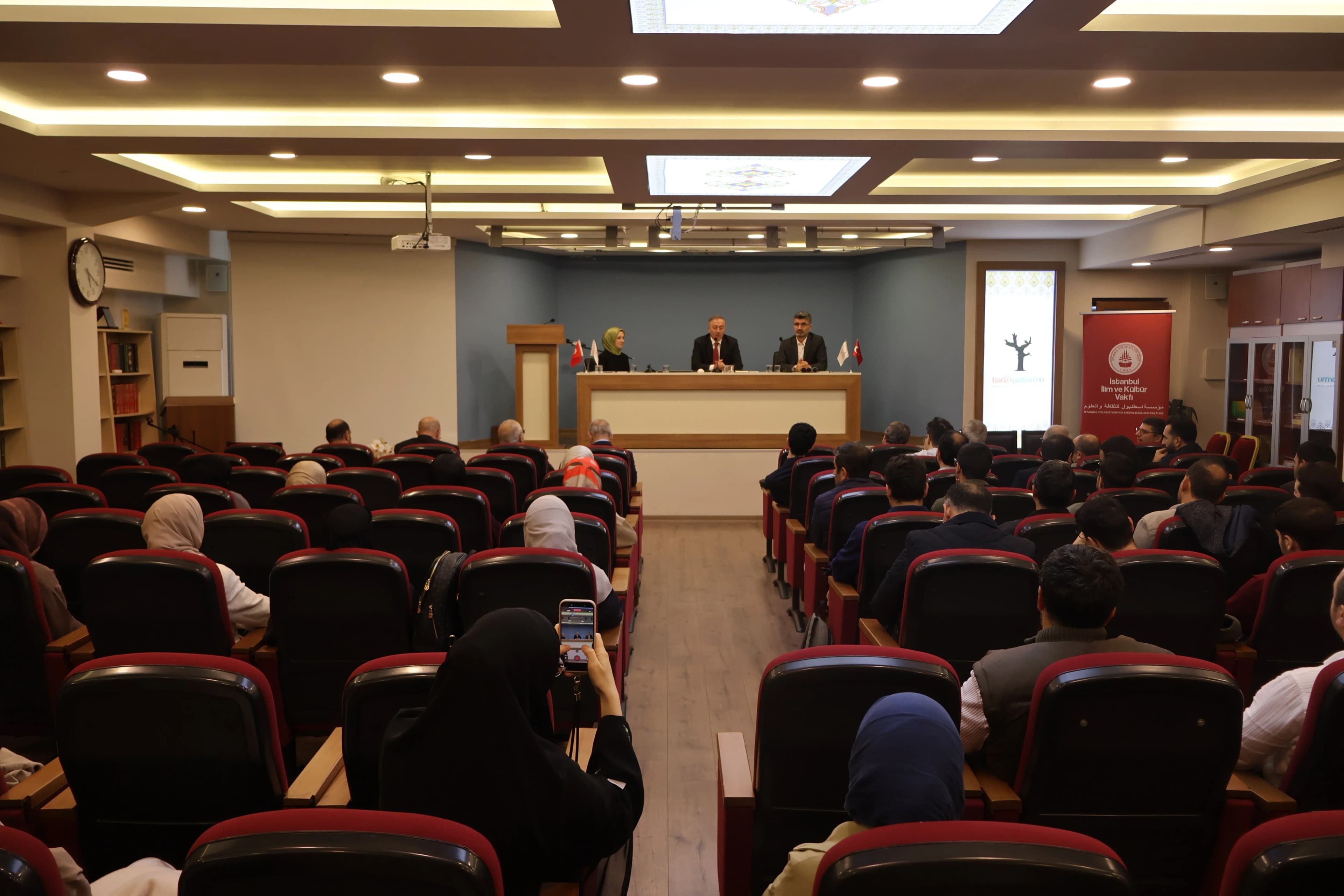
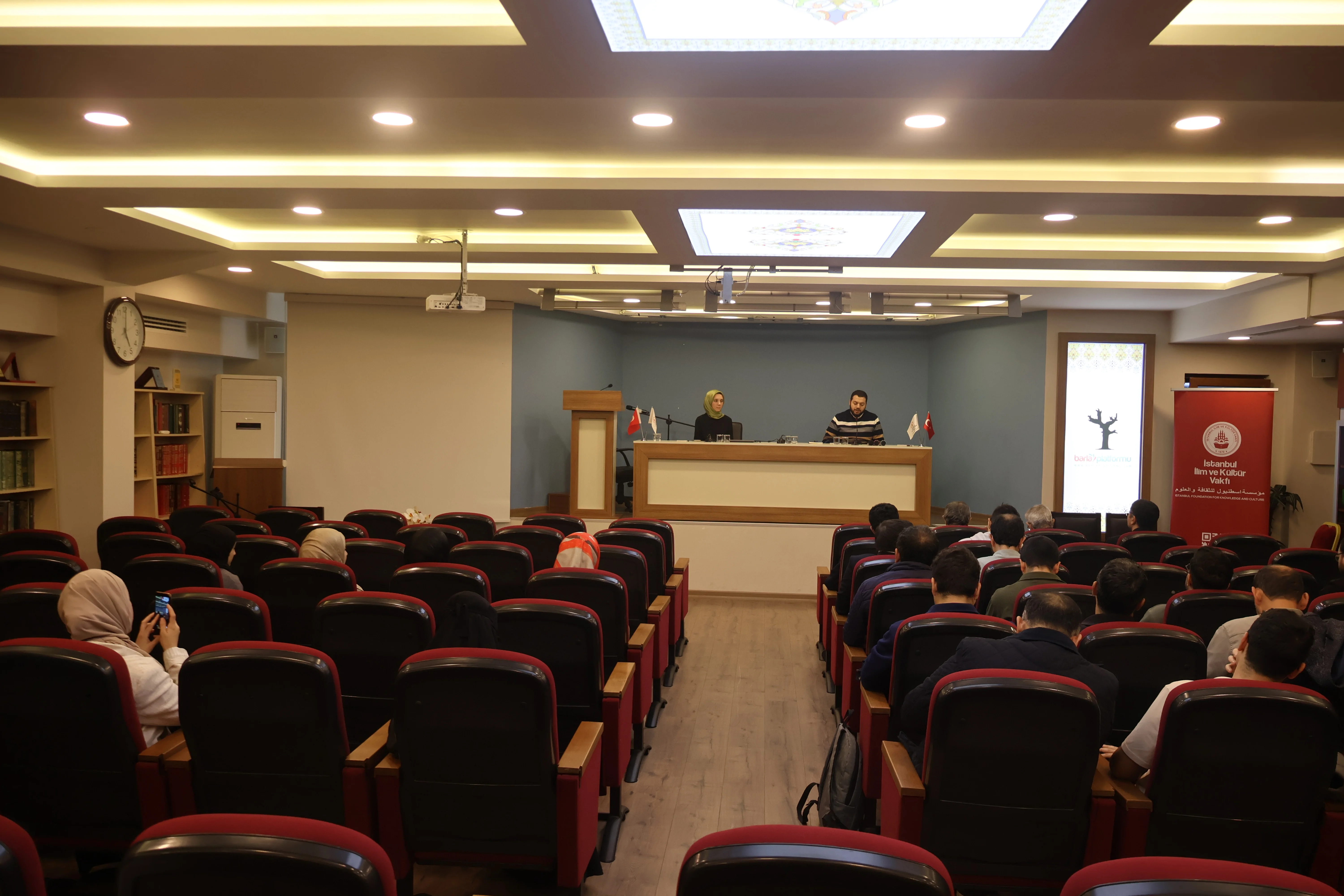
The Istanbul Science and Culture Foundation (İİKV) hosted a thank-you dinner for the volunteers who made significant contributions to the organization of the 13th International Bediuzzaman Symposium. During the event, which was attended by volunteers who selflessly served during the symposium’s preparation and execution phases, the importance of their contributions was emphasized, and the ways in which the volunteer experience contributes to personal, academic, and social development were highlighted.
First on the program, Sezer Harman from the Nur Science and Education Foundation delivered a speech thanking the volunteers.
Sezer Harman: “The visible and the invisible are one in the sight of Allah”
In his speech, Sezer Harman thanked everyone who contributed to the symposium’s success, noting that the event was not merely the result of a few days’ work but was the culmination of an intensive preparation process that had been ongoing for over a year. He thanked the foundation’s staff and volunteers working in the Turkish, English, Arabic, and Russian departments.
Noting that he has participated in the symposia since 2004 and that this was the sixth symposium in which the organization had played a role, Harman said that the 13th International Bediüzzaman Symposium stood out from previous events both in terms of quality and strategy.
He remarked that the symposium—which was attended by guests from approximately 60 different countries, featured hundreds of presenters, and included presentations in four different languages across 11 separate halls on its second and third days—had allowed them to experience what he described as “a festival of Nur.”
Harman also made special mention of the selfless dedication shown by the volunteers, noting that a total of 15 people were on duty at the airport on Friday and Saturday, and that some volunteers even spent the night there. He noted that on the first day of the symposium, more than 100 people, including foundation staff, were on duty, while on the second and third days, an average of 80 people provided services in the hotel’s halls and booths.
Recalling that some volunteers carried out reception, guidance, and organizational duties without even being able to enter the symposium halls, Harman emphasized that the volunteers served by making sacrifices in their work, family life, and sleep.
In his speech, Harman highlighted the importance of sincerity and intention, noting that there is no difference between visible and invisible service, and conveyed the following message:
“There is no difference between the person presenting a paper in the hall and the one greeting people at the door, brewing tea, or working behind the scenes—as long as their intentions are sincere. In the sight of God, the visible and the invisible are one and the same.”
Harman expressed his hope that the sense of unity fostered by the symposium would continue and invited the volunteers to participate in the foundation’s other volunteer activities as well as in the work at the madrasas.
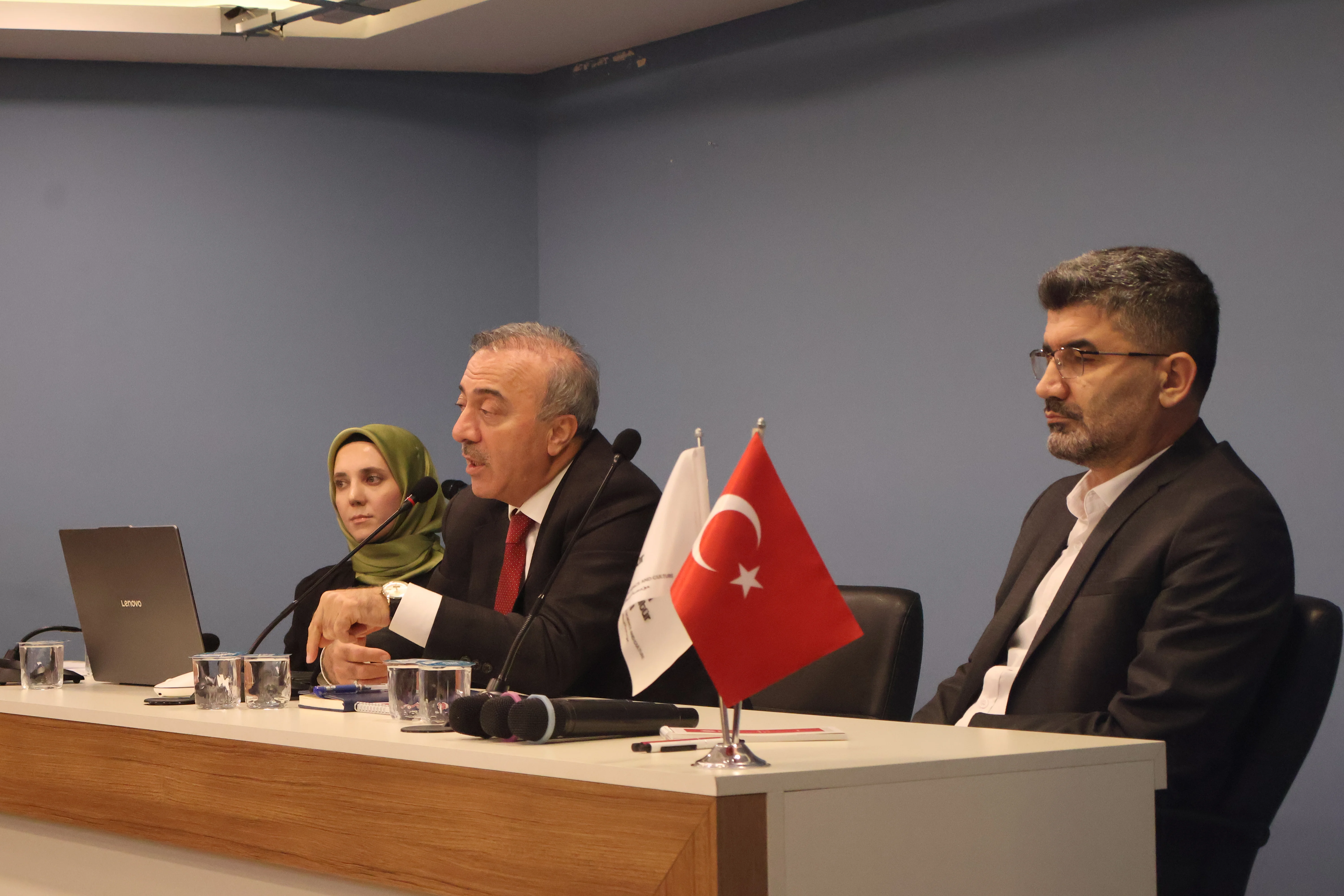
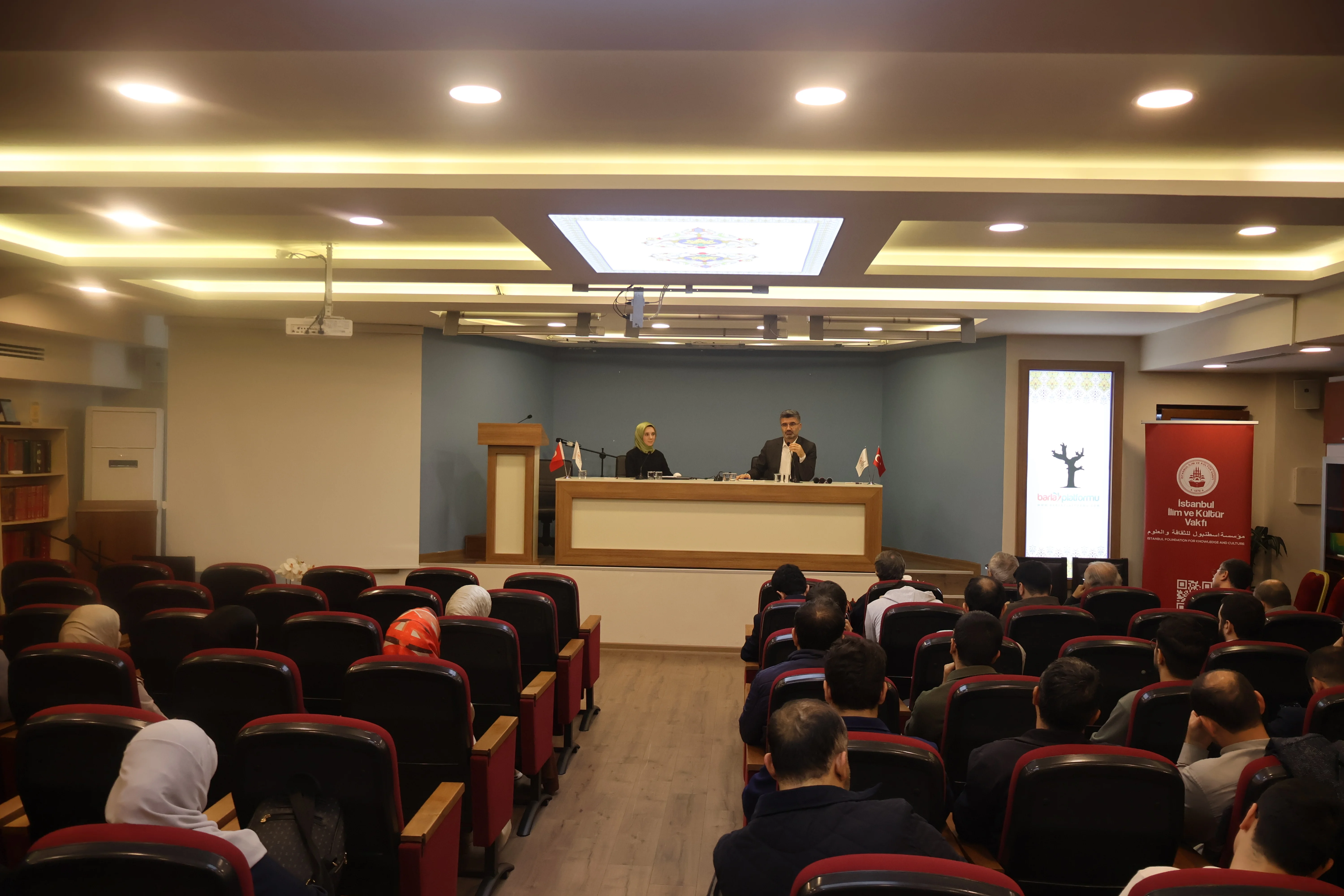
Prof. Dr. Bayram Özer: “Volunteering develops character and a sense of social responsibility”
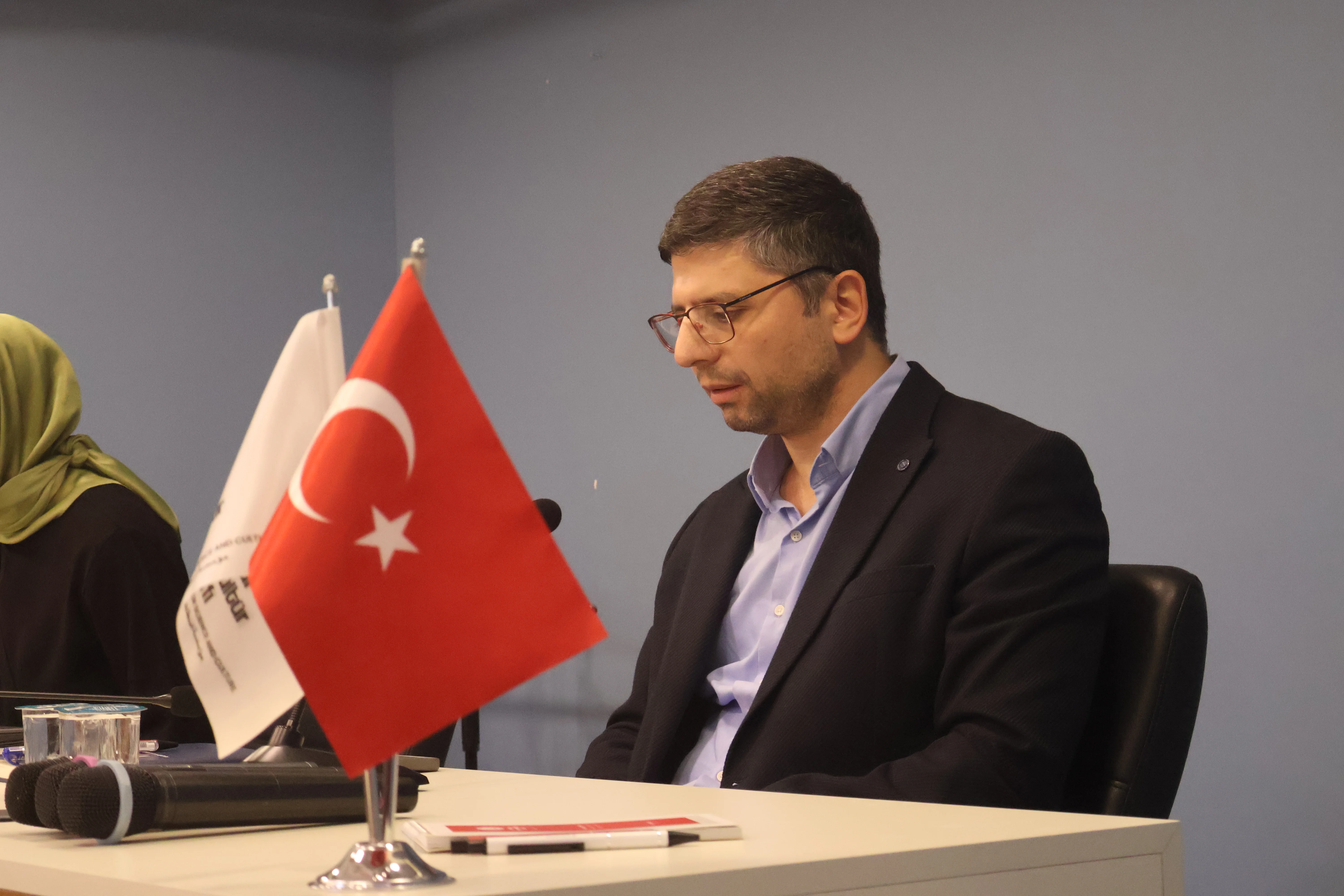
Later in the program, Prof. Dr. Bayram Özer, a faculty member at Ondokuz Mayıs University and Chair of the Organizing and Scientific Committee of the 13th International Bediüzzaman Symposium, delivered a speech on volunteerism.
Özer expressed his pleasure at meeting the true heroes behind this major organization, which brings together academics, thinkers, and researchers from different countries around the world.
Noting that the multilingual, multi-session symposium—which featured dozens of presenters from various countries and with simultaneous interpretation provided, Özer noted that the efforts of the volunteers at this multilingual, multi-session symposium were beyond any praise. He emphasized that every contribution made in the halls, backstage, and at reception and information desks played a crucial role in the successful execution of the event.
Emphasizing that volunteering is not merely about setting aside time for a task and being willing to do so, Özer said that this concept is one of the fundamental values that shape a person’s character, vision, and sense of social responsibility.
Özer noted that while technical knowledge and theoretical education are important in professional life, competencies such as making quick decisions during crises, communicating with people from different cultures through empathy, adapting to teamwork, and serving without expecting anything in return can only be acquired through hands-on experience.
Özer stated that being part of the inner workings of an international-scale event like the 13th International Bediüzzaman Symposium offers an experience far more valuable than anything that can be gained in university lecture halls or through theoretical education, and noted that volunteers developed skills in working alongside people of different languages and cultures, problem-solving, coordination, and organization during this process.
Continuing his address to the volunteers, Özer stated that the dedication, sense of responsibility, and cheerful service attitude demonstrated here would set them apart, no matter what field they work in the future, and expressed his gratitude to the volunteers on behalf of the Istanbul Science and Culture Foundation.
Said Yüce: “We Must Reinterpret the Social Sciences Through the Lens of ‘Mana-yı Harfi’”
Said Yüce, Chairman of the IIKV Board of Trustees, who spoke last in the program, noted that the volunteers had taken on great responsibility in organizing the symposium and shouldered the burden of the event, and thanked them for their efforts.
Yüce also offered advice to the volunteers for the future, particularly emphasizing the importance of learning foreign languages. He noted that learning various languages—especially English and Arabic—is crucial for communicating on an international level and extending services to a wider audience.
Yüce stated that volunteers should develop themselves not only in the field of languages but also in the social sciences, such as psychology and sociology. He emphasized that the knowledge and experience gained in these fields would contribute to a better understanding of both individuals and society.
However, noting that psychology, sociology, and other social sciences should not be approached solely through existing theoretical frameworks, Yüce said that these disciplines must be reinterpreted through the perspective of “Mana-yı Harfi,” one of the fundamental concepts of the Risale-i Nur.
He highlighted the importance of evaluating and reinterpreting the knowledge and insights in the social sciences through this lens, and of communicating the resulting findings to people with this understanding.
### Hopes for the Continuation of the Spirit of Volunteerism
The thank-you dinner also served as an opportunity to strengthen the bonds of friendship and solidarity among volunteers from various fields who had gathered for the 13th International Bediüzzaman Symposium.
A common message that emerged from the speeches was that the service provided not only contributed to the successful completion of an event but also made significant contributions to the volunteers’ personal development, sense of social responsibility, and shared understanding of service.
The gathering, organized by the İİKV, concluded with expressions of gratitude to the volunteers who contributed to the symposium’s success and hopes that this spirit of unity would continue into the future.
Related content
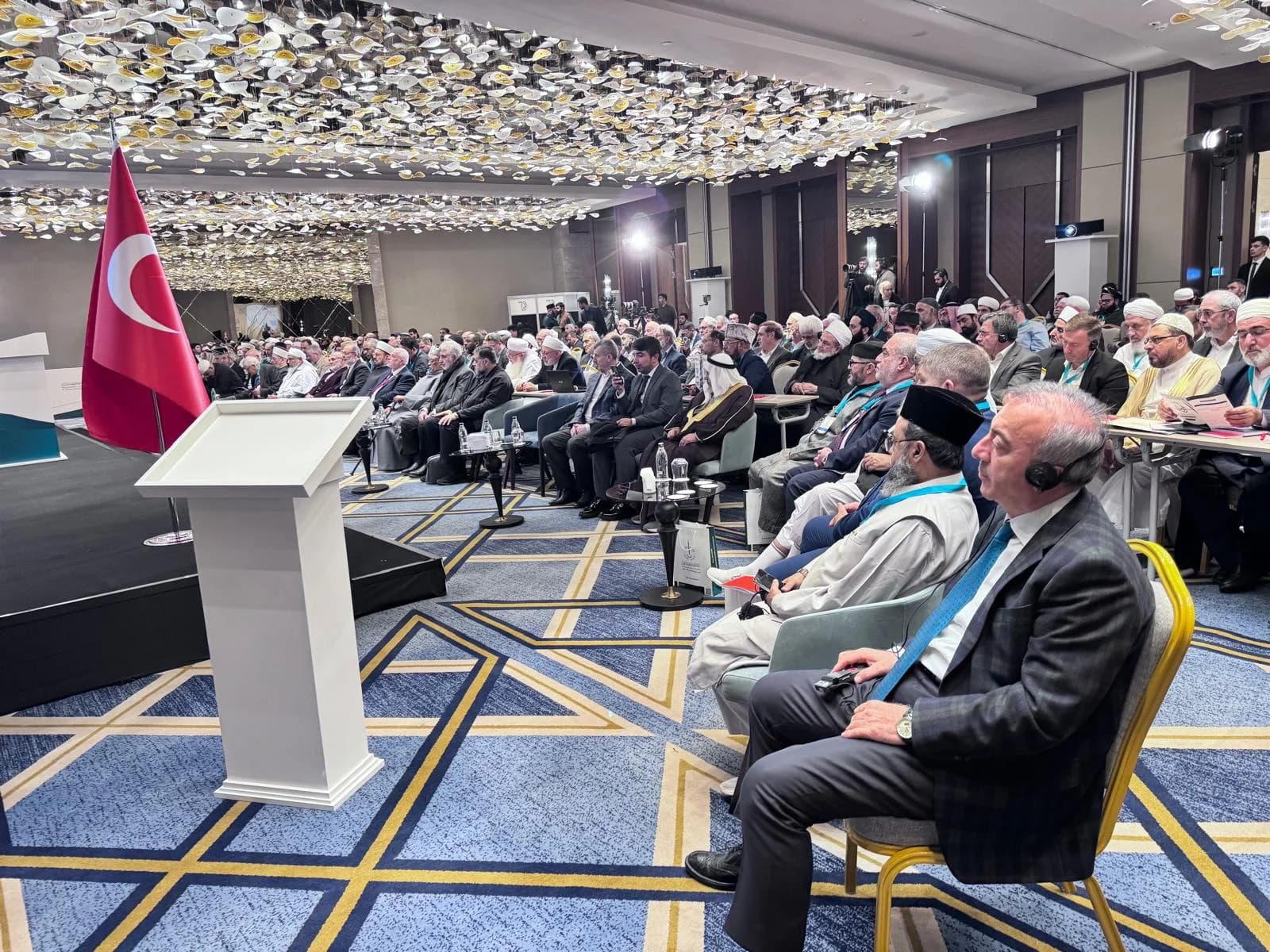
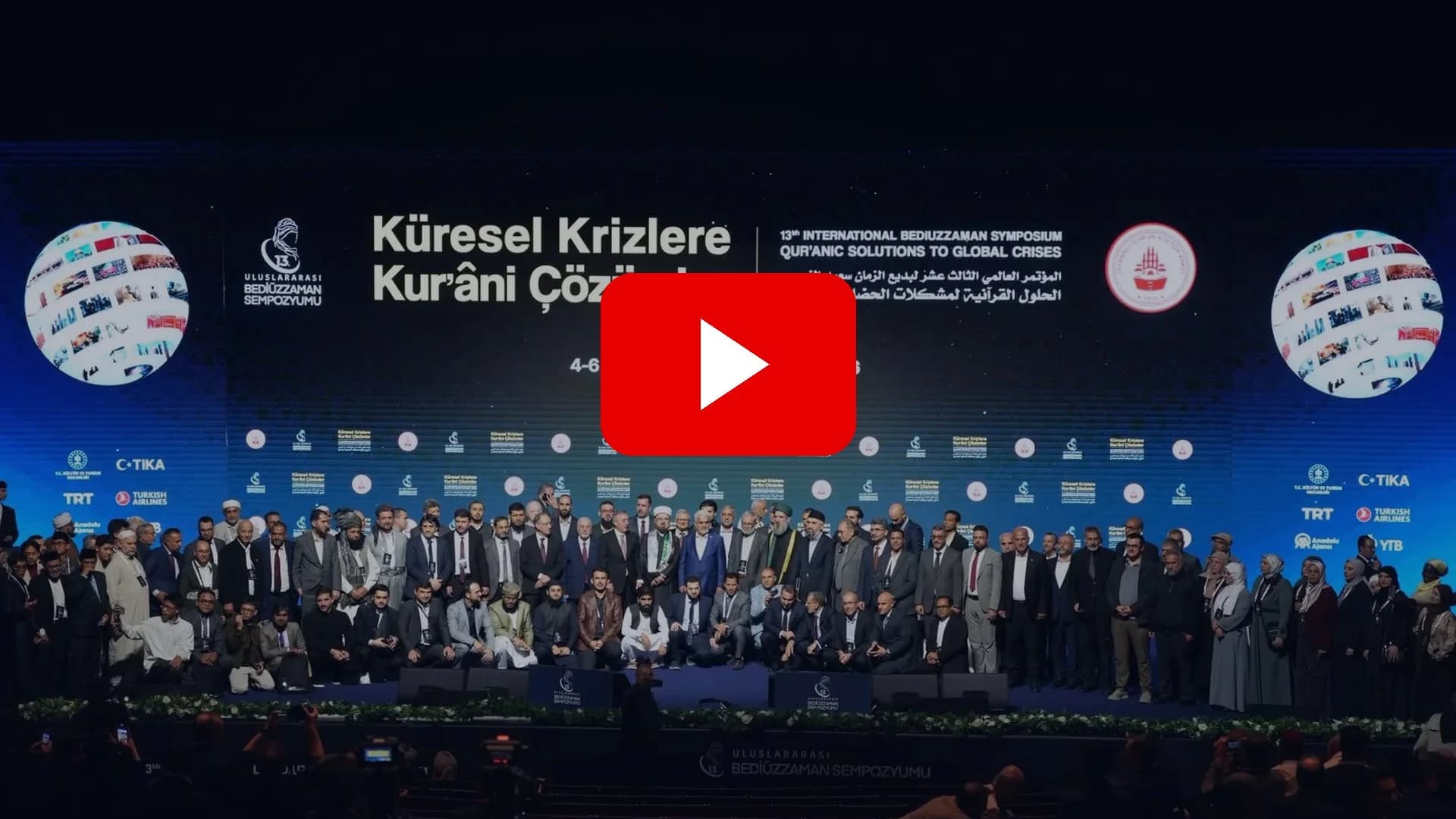
All sessions of the 13th International Bediuzzaman Symposium are available on YouTube: recordings and transcripts
Recordings of the opening ceremony, sessions, forums, and gala of the 13th International Bediuzzaman Symposium are available on our foundation’s YouTube channel. Each session’s page includes video recordings and transcribed texts; subtitles are currently being prepared.
In the Atlas Nursî trial edition: Bediüzzaman’s life, works, and era in a single digital atlas
Our foundation’s Atlas Nursî project has opened to the public in its beta version. Bediüzzaman Said Nursî’s life journey, the Risale-i Nur Collection, chronologies, maps, biographies, and archival documents are all brought together in a single digital atlas.