The oppression of the oppressors engendered the birth of a masterpiece.
The oppression of the oppressors engendered the birth of a masterpiece.
Among those who served the Risale-i Nur were in actual fact, its avowed enemies who swore to oppose it. Yet, in actual fact they had no idea about what they were actually serving and to what end. It is claimed that they were working with all their strength to silence the writer of the Risale-i Nur.
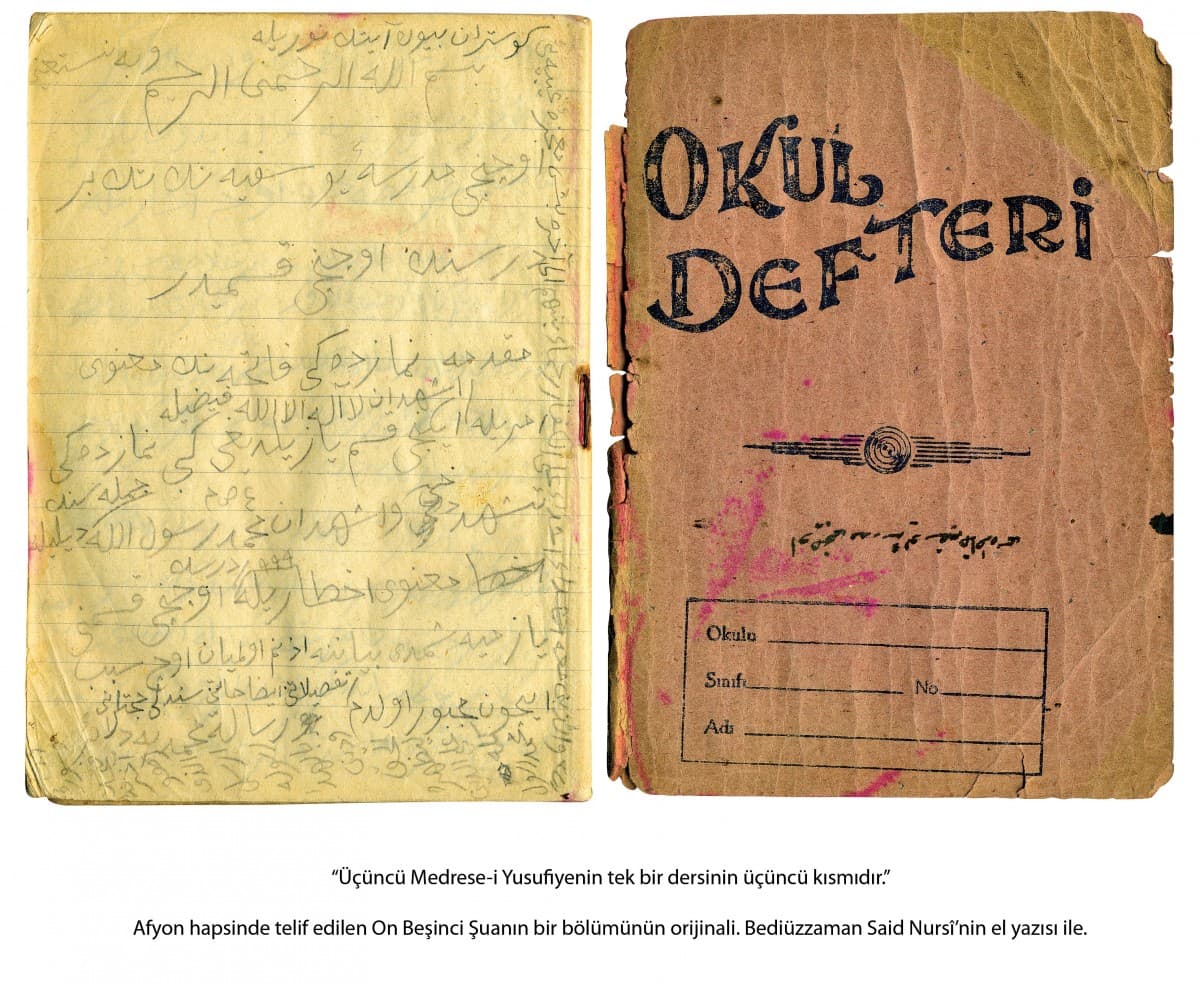
First, they confined Bediuzzaman to a small cell in Afyon prison, even while he was an old man and in a state of poor health. On purpose they confined him alone and without his friends. On top of that, they tried to poison him. However, Bediuzzaman told his students who eventually were admitted to see him, that "They will not kill me". Tearful they were to see such a sick and frost-bitten Nursi before them.
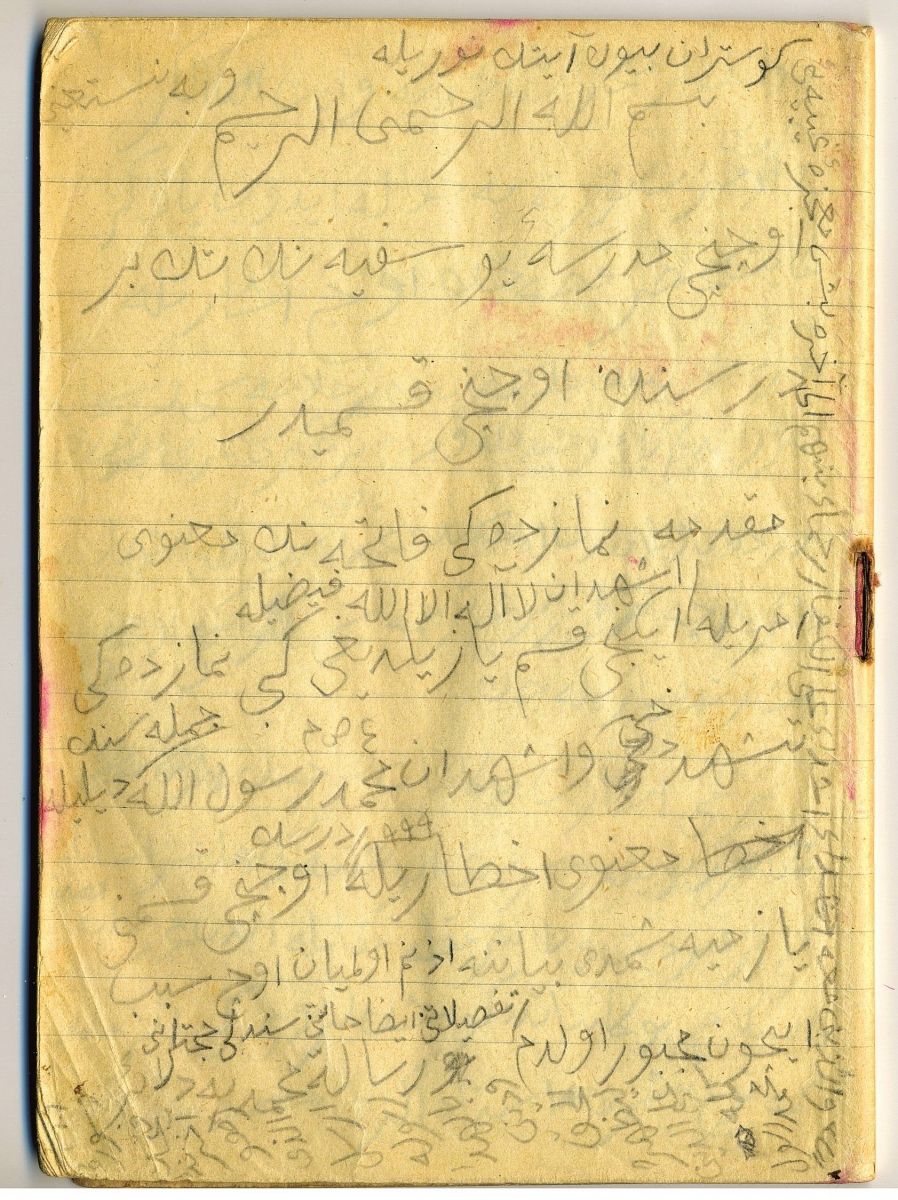
Those who opposed him worked to see that he would be thrust into unendurable situations and for him to be confined into a prison inhabited and suited for people of all different types of crimes. Yet, within such confines and prisons there were to be found people needy for the Risale-i Nur and its lessons. Bediuzzaman began his lessons with "Bismillah" and so within the dungeons of Afyon began his Fifteenth Ray that was subtitled "The Shining Proof".
When imparting the lesson of the Fifteenth Ray, Ustadh Nursi stated that the whole of creation is a work and manifestation of God's Mercy and Grace. Those listening to his lesson found a way to understand and appreciate the way each thing reflects God's Unity, His Power, and His Grace. The Afyon dungeons which included former murderers had been transformed into study rooms in which even angels were envious of.
And so, who knows? If nobody had worked hard to silence and incarcerate Bediuzzaman then perhaps there would never have been the creation of such a "Shining Proof" witnessed by such students of the Qur'an.
(From the Emirdag Years Catalogue)
Related content
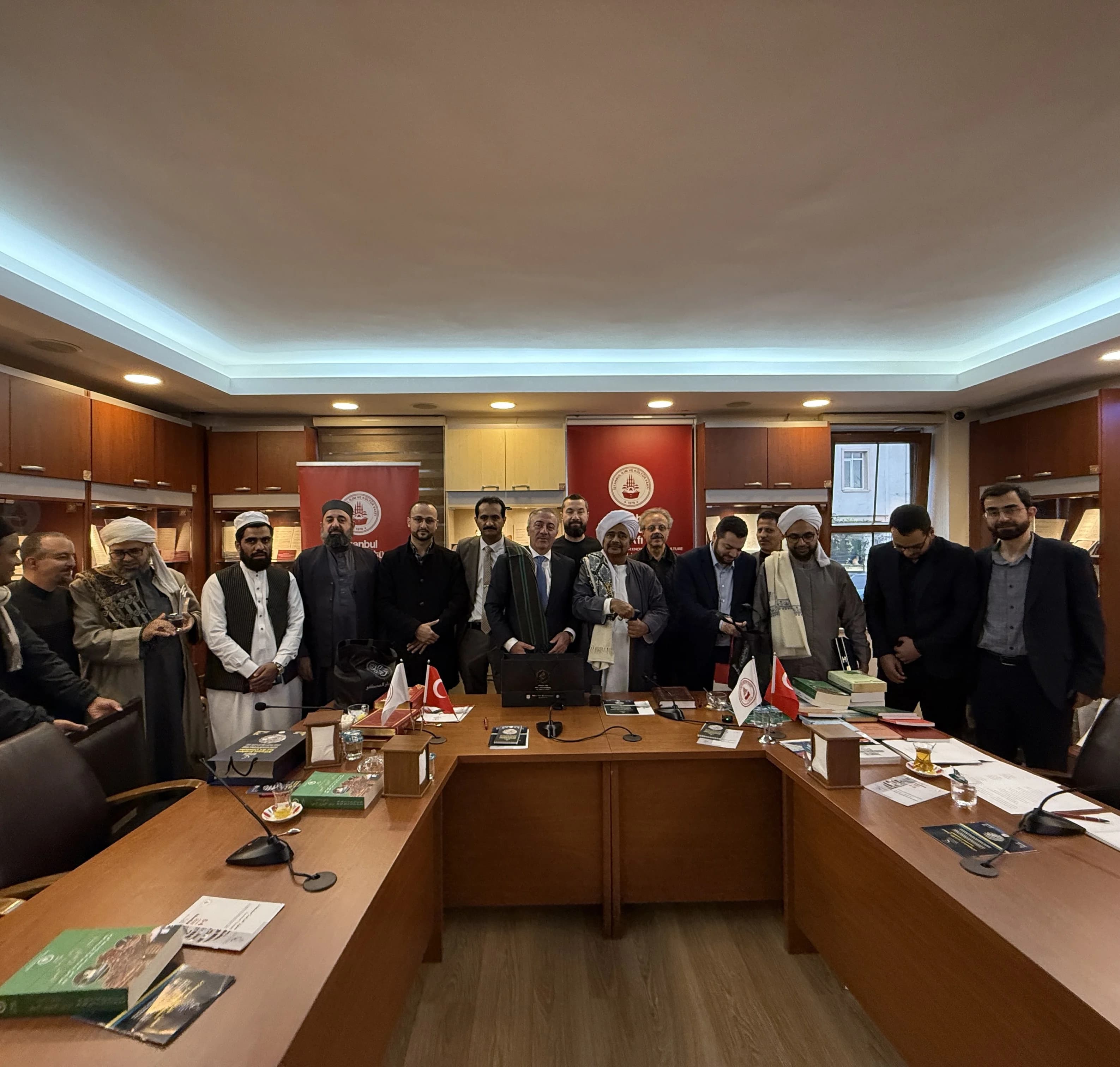
Habib Ömer bin Hafiz Emphasizes Faith and Brotherhood During His Visit to the IIKV
Yemeni Islamic scholar Habib Ömer bin Hafiz, who visited the Istanbul Science and Culture Foundation, shared his insights on strengthening faith, the spiritual education of children, and brotherhood among Muslims. Following the gathering, during which excerpts from the Risale-i Nur were read, the participants visited the Department of Sacred Relics at Topkapı Palace.
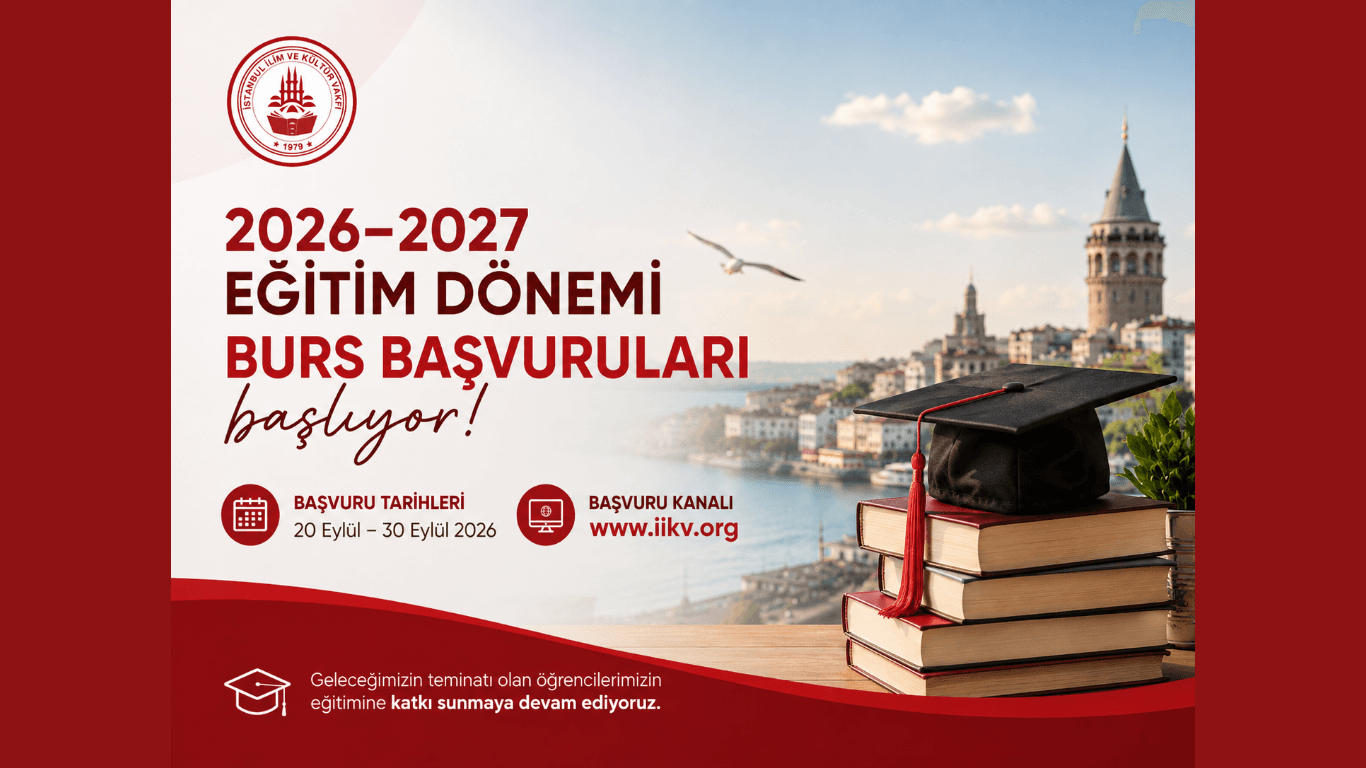
2026–2027 Scholarship Applications Have Begun
Undergraduate, master’s, and doctoral students may apply for scholarships by filling out the online form at iikv.org by 11:59 p.m. on September 30, 2026.