
On the 27th of February a group of students from the National University of Singapore attended a seminar at our Foundation as part of their week-long "Inter-Civilization Dialogue" study programme to Istanbul that was organized by their University Scholars Programme.
On the 27th of February a group of students from the National University of Singapore attended a seminar at our Foundation as part of their week-long "Inter-Civilization Dialogue" study programme to Istanbul that was organized by their University Scholars Programme. The group of mostly non-Muslim undergraduate students was led by Professor Syed Farid Alatas who has engaged in Nursi studies and scholarship for several years.
The speakers at the seminar were Professor Dr. Said Ozervali from Yildiz Technical University and PHD scholars Tugba Turkoglu and Hossein Turner. Professor Ozervali's talk was titled "The Late Ottoman Social Thought" in which he introduced some of the concepts and issues that pertained to both Islam and the transition from traditional Ottoman society to that of a new modern socio-political context. Students learned that from the 18th century onwards there was a greater interest by the Ottomans in the area of history as a self-reflective and analytical field of study. The issue of modern science and western technology and the possible ways of incorporating it into society were discussed by the elite. But the development of modern institutions created a dualism between those institutions and the ideology behind them, and the religious institutions. Professor Ozervali mentioned Said Nursi in this late-Ottoman period as being one of the important religious scholars who tried to deal with the seeming conflict between Western science and ways of organising society and the traditional Ottoman Islamic society. The proposal of the Medrese'tüz Zehra by Nursi was a solution to this apparent conflict, with the blending of modern sciences and the religious sciences. The students from Singapore were particularly interested in this period and asked several questions, some of which were quite controversial such as the issue of how women were treated in this period. As non-Muslims they were very interested to hear that scholars such as Said Nursi had attemped to reconcile aspects of modernity, science and technology with Islamic thought without giving up fundamental religious principles.
Following this talk, IFSC scholars Tugba Turkoglu and Hossein Turner discussed the biography and life of Said Nursi as well as the nature, content and approach of his Risale-i Nur treatises. Several questions were asked including whether Said Nursi was a sufi or practised sufism, what were his views on violence and jihad as well as the role of women in society. Professor Farid Alatas also joined in the Q&A sessions between both respective talks and elaborated on some of the intellectual and religious influences on Nursi's perspective and outlook.
The students and scholars also toured several historical places in Istanbul as part of their NUS programme under the guidance of Professor Syed Farid Alatas.
Related content
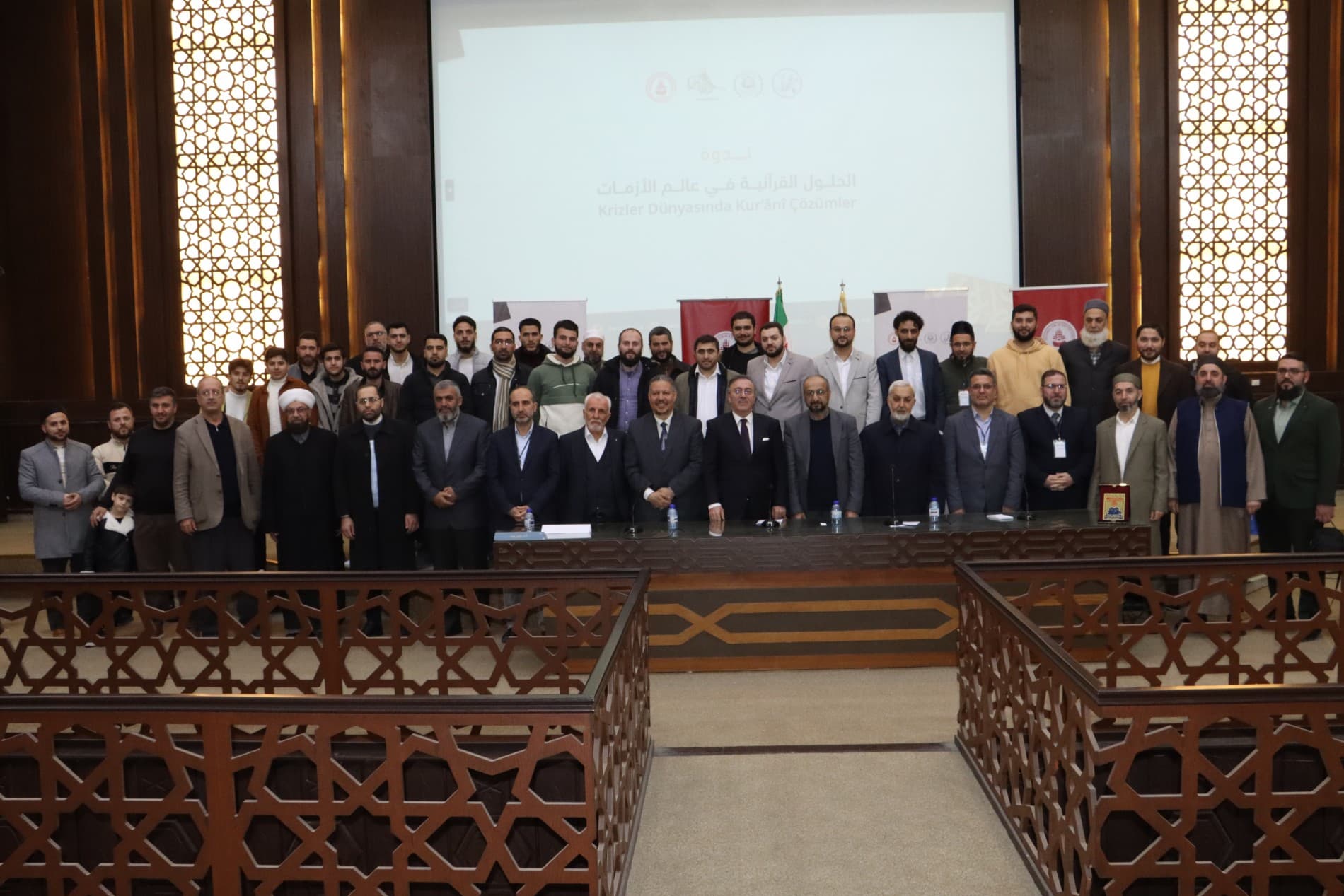
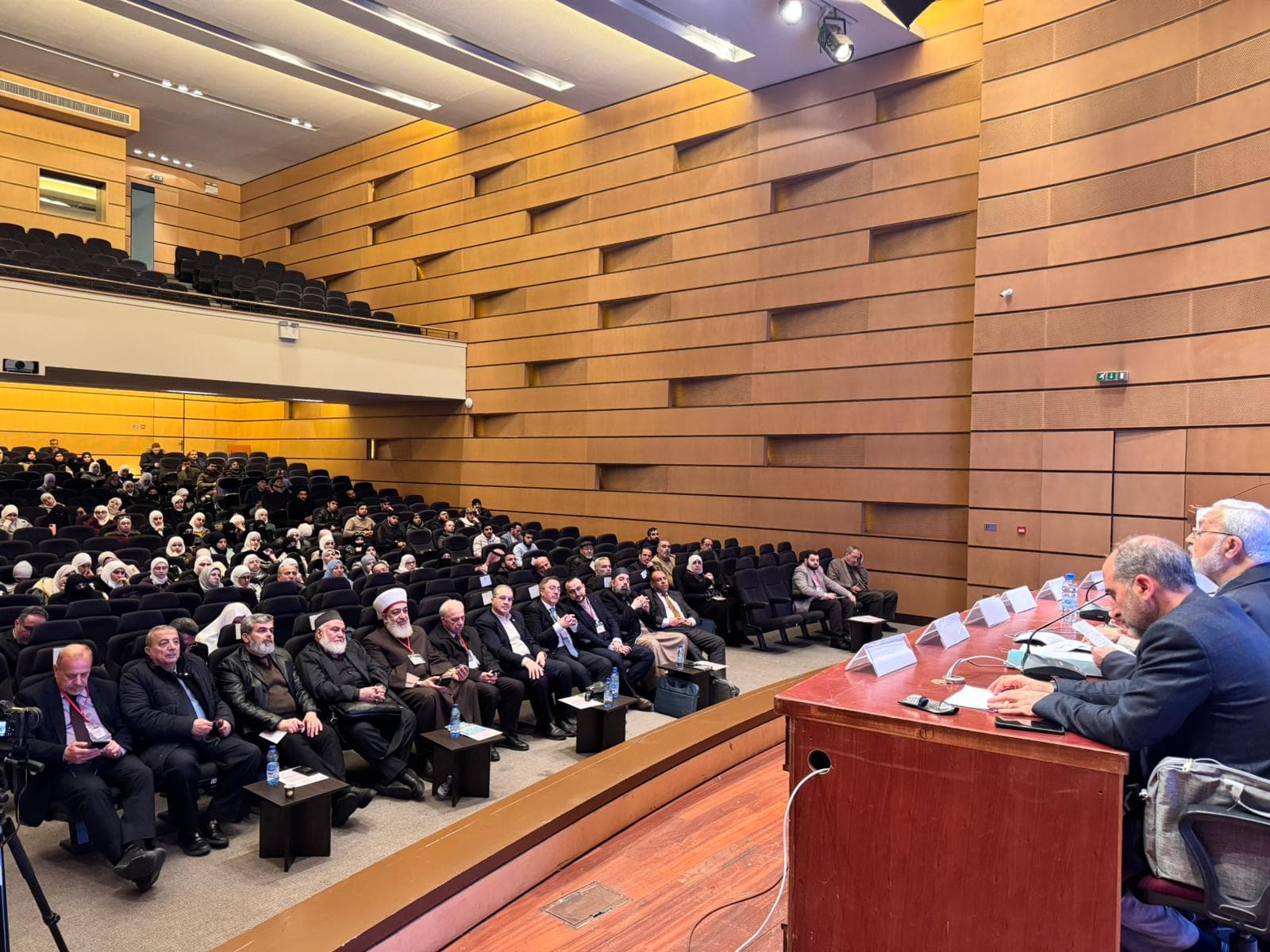
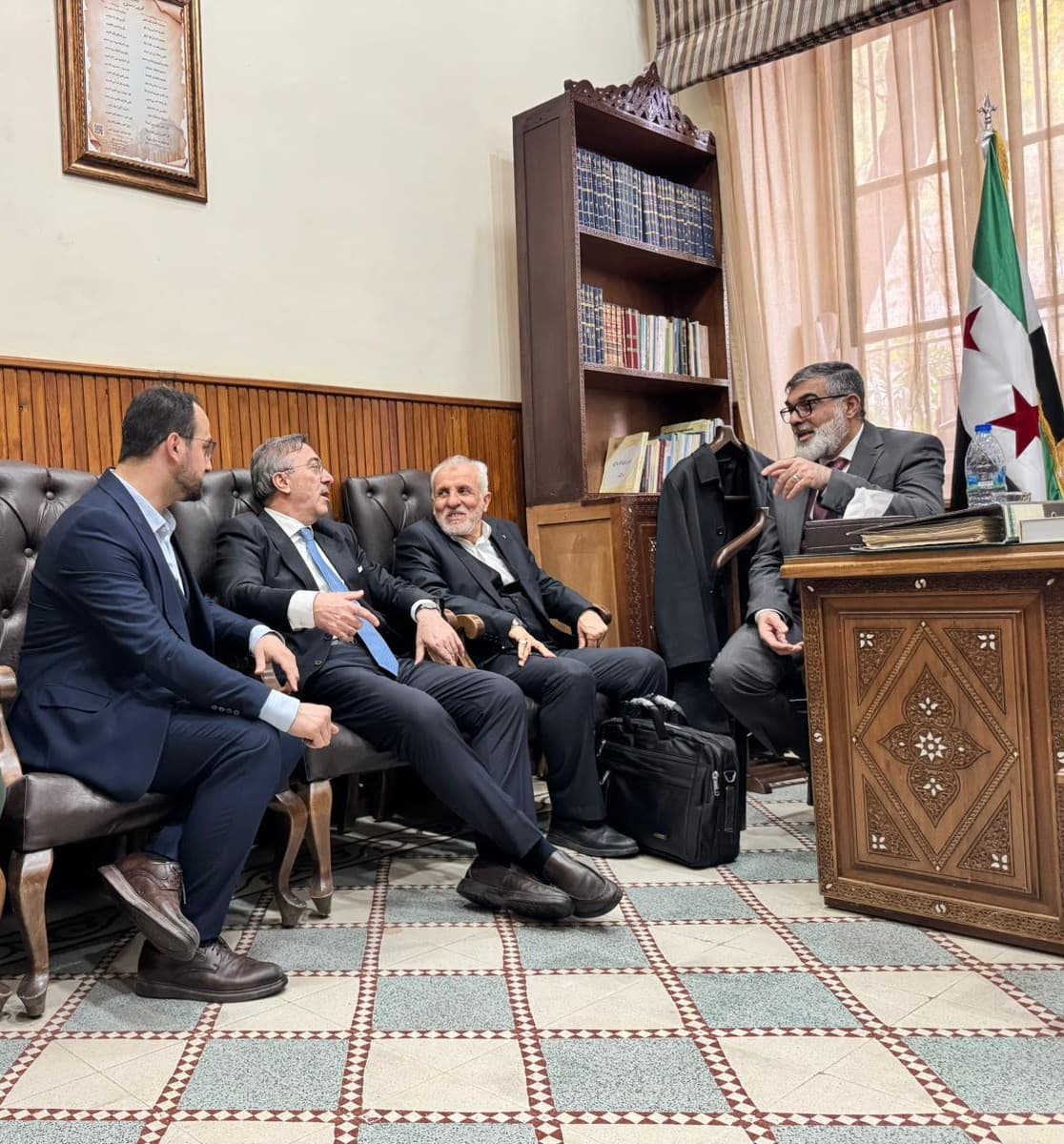
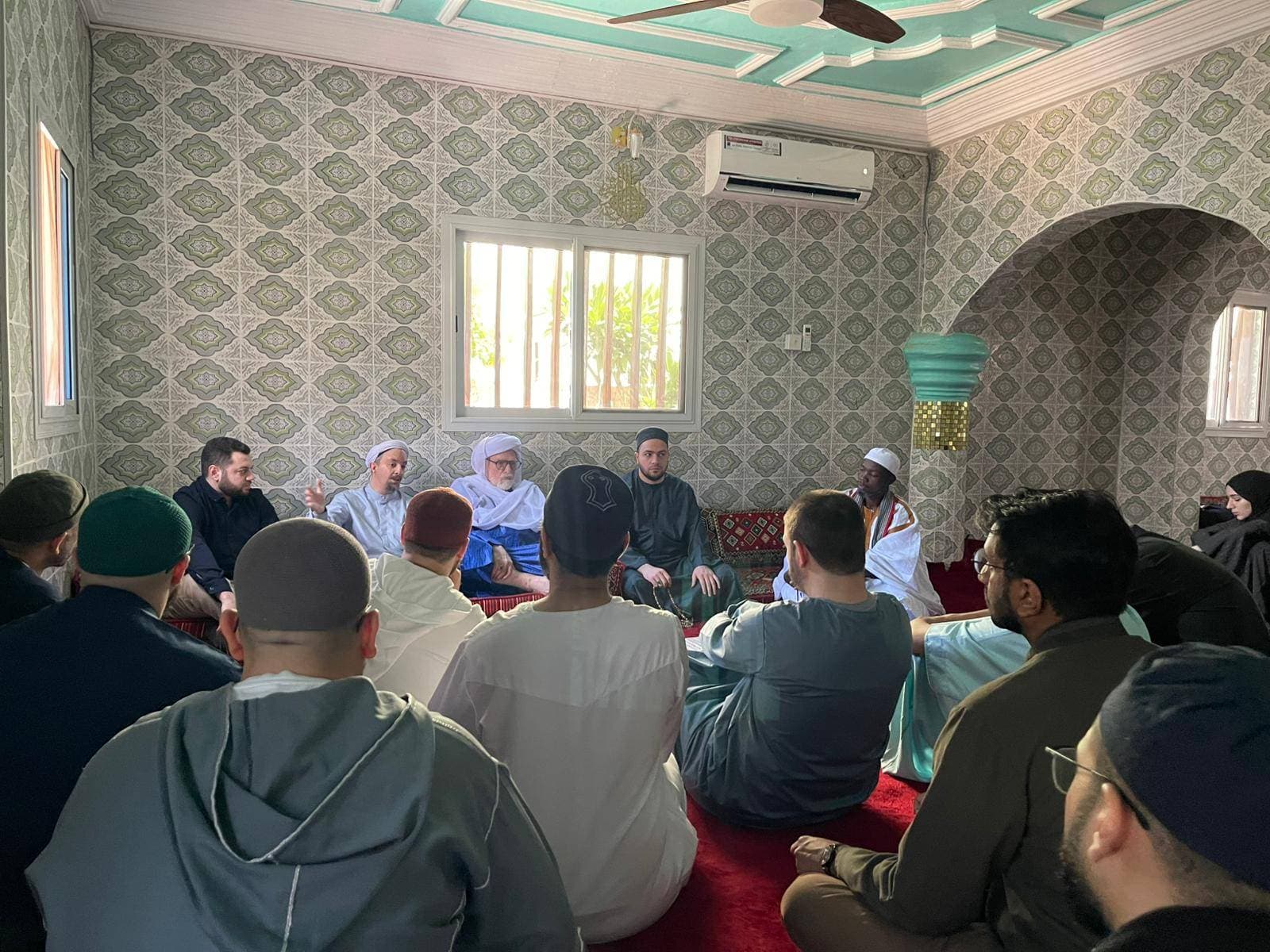
The International Unit of İİKV Explained Risale-i Nur at the Qadiri Gathering in Gambia
Representatives of the International Unit of the Istanbul Foundation for Knowledge and Culture (İİKV) attended the traditional annual gathering of the Qadiri community held in the African country of Gambia. As part of the program, the İİKV delegation came together with Sheikh Muhammad Gilani, one of the descendants of His Holiness Abdul Qadir Gilani and one of the most important spiritual leaders of the Qadiri path today. In the gathering, which took place in a spiritual atmosphere, various lessons and dhikr circles were conducted.