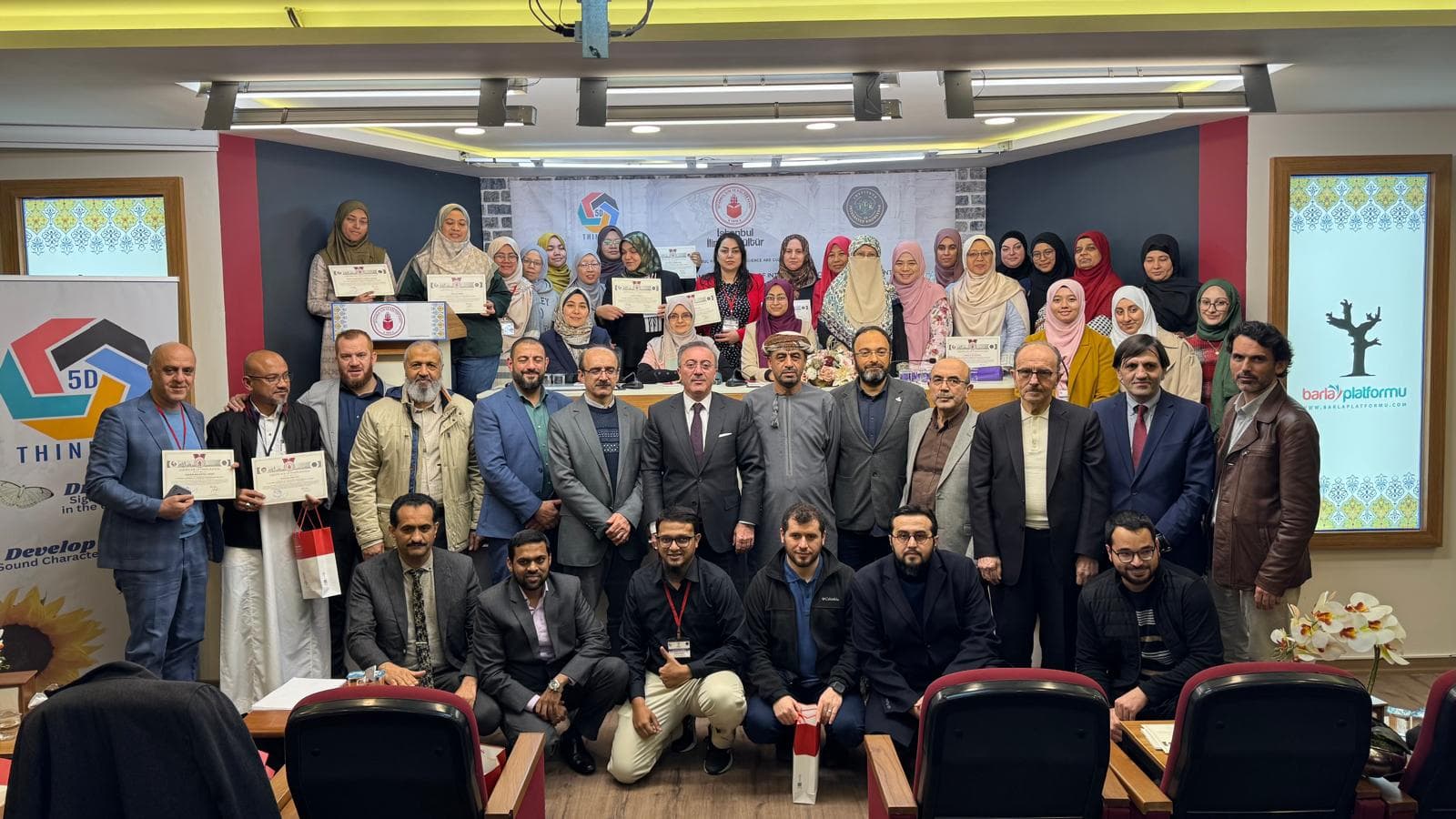
The Five-Dimensional Thinking Model Program, jointly organized by the Istanbul Foundation for Science and Culture (IIKV) and The Institute of Integrated Knowledge from 30 December to 4 January, brought together participants from around the world. The program concluded with a closing ceremony that began with a Qur'an recitation, followed by an opening speech from IIKV Chairman Said Yüce.
"We Performed Eye Surgery in This Program":
Highlighting the program's significance, Said Yüce expressed gratitude to Prof. Dr. Necati Aydın and everyone involved. He used an analogy to describe the essence of the program:
“When I asked Prof. Necati what was accomplished here, he told me that they performed a surgery. He described it as a cataract surgery, saying, ‘After this surgery, we began to see everything—both in this world and the hereafter—clearly.’ He also mentioned that participants were given glasses afterward, which he referred to as ‘Mana-i Harfi glasses,’ or in the words of Bediüzzaman, ‘the glasses of faith.’”
Emphasizing the importance of education, Yüce shared an insight from his meeting with Istanbul’s Director of National Education. He quoted:
“The most crucial element in education is the teacher, and the most valuable quality of a teacher is leading by example—practicing what they teach.” Yüce stressed that this principle applies not only to teachers but also to parents, especially mothers, whose education he called “the most important of all.”
Critique of Secular Education:
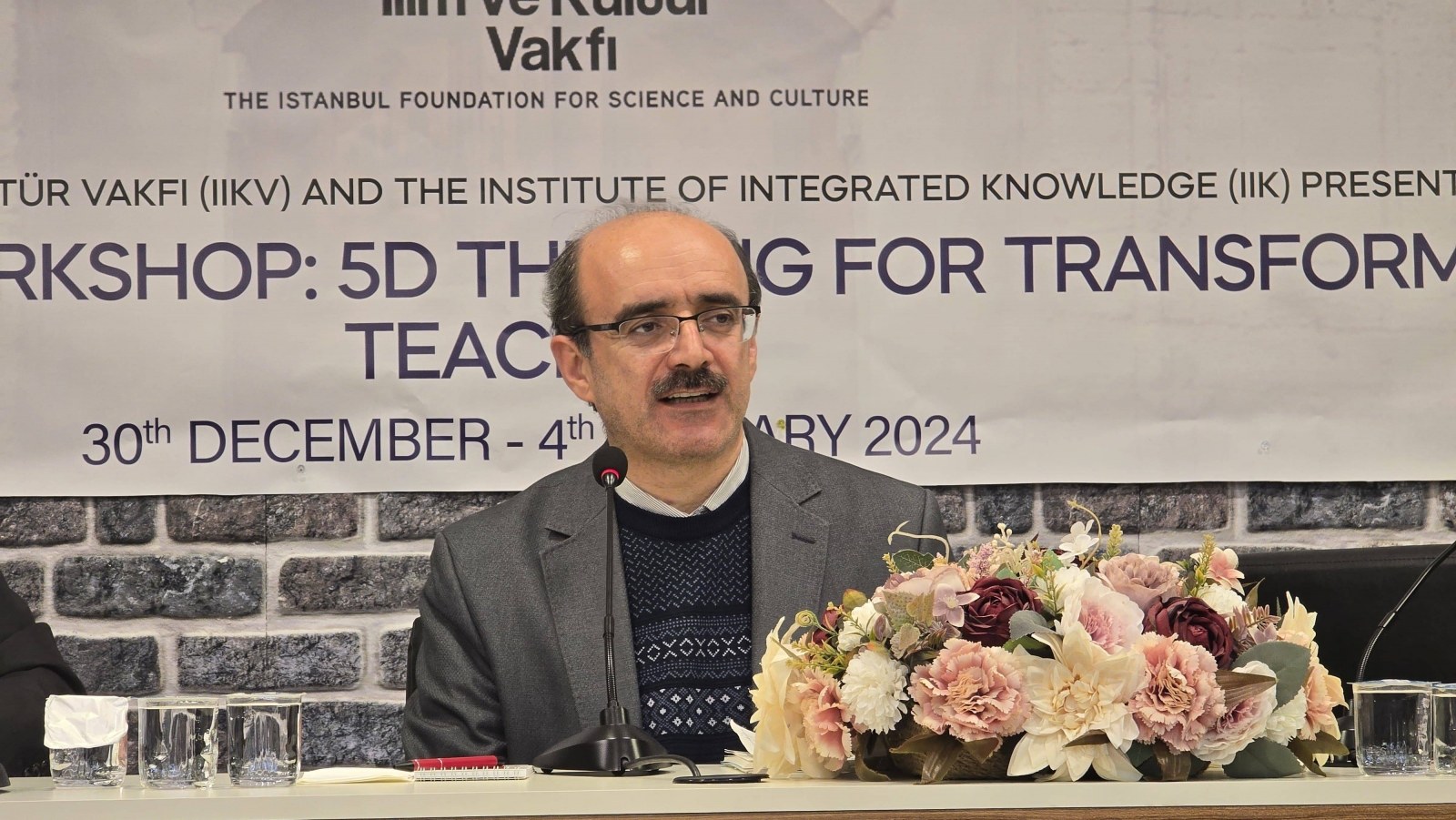
In his closing speech, Prof. Dr. Necati Aydın attributed people’s inability to perceive the truth in the Qur'anic verses to the secular education system, saying:
“Secular education blinds people’s eyes. It veils their vision with layers of causality, nature, and coincidence. What we have done here for a week is akin to performing surgery to remove these veils.”
However, he pointed out that opening one’s eyes to the truth is not sufficient:
“To see clearly, a perspective must be provided to these opened eyes. For this, one needs the ‘glasses of faith.’ Moreover, without light, even opened eyes cannot see. That light is the radiance of the Qur’an.”
"Secularism Creates Identity Crises":
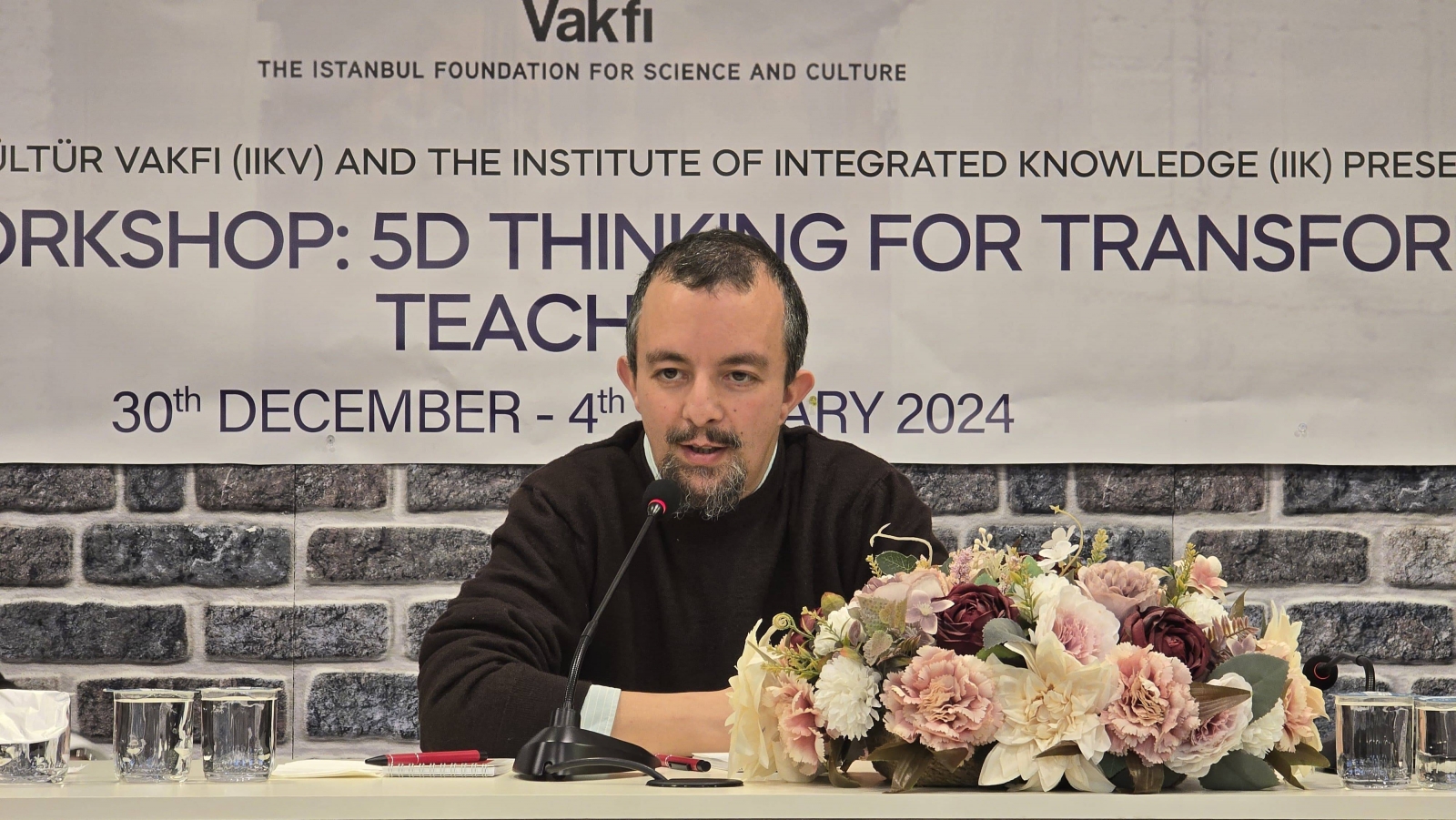
Colombian Abdullah Santiago, a convert to Islam of 20 years and a doctoral student at Ibn Haldun University, criticized secularism for its detachment of humanity from Allah. He remarked:
“Secularism is a system that severs the bond between Allah and humanity, distancing us from Him. Without purging our minds of secularism, we become Muslims by name but secular in heart.”
Santiago warned against the pervasive influence of secular ideas:
“Every time we turn on the phone or television, we are bombarded with secular thought. If we do not develop a defense mechanism rooted in the Qur'an and Sunnah, we risk becoming nominal Muslims with secular minds and hearts.”
He emphasized that secularism not only impacts spirituality but also erodes daily morality:
“This system has become a poison we neither recognize nor filter, leading to an identity crisis. We must cleanse ourselves of this toxin.”
.jpeg)
Voices from Around the Globe:
The program inspired participants from diverse regions, who shared their transformative experiences:
Walaid Zahra (Canada): Representing one of North America’s largest Islamic education organizations, Walaid described the program as life-changing:
“On the first day, I felt as if I truly experienced the meaning of the verse Iqra’ for the first time.” He referred to the model as a guide and a lifelong treasure. “I’ve engraved this model on my heart,” he said, pledging to implement it immediately in Canada.
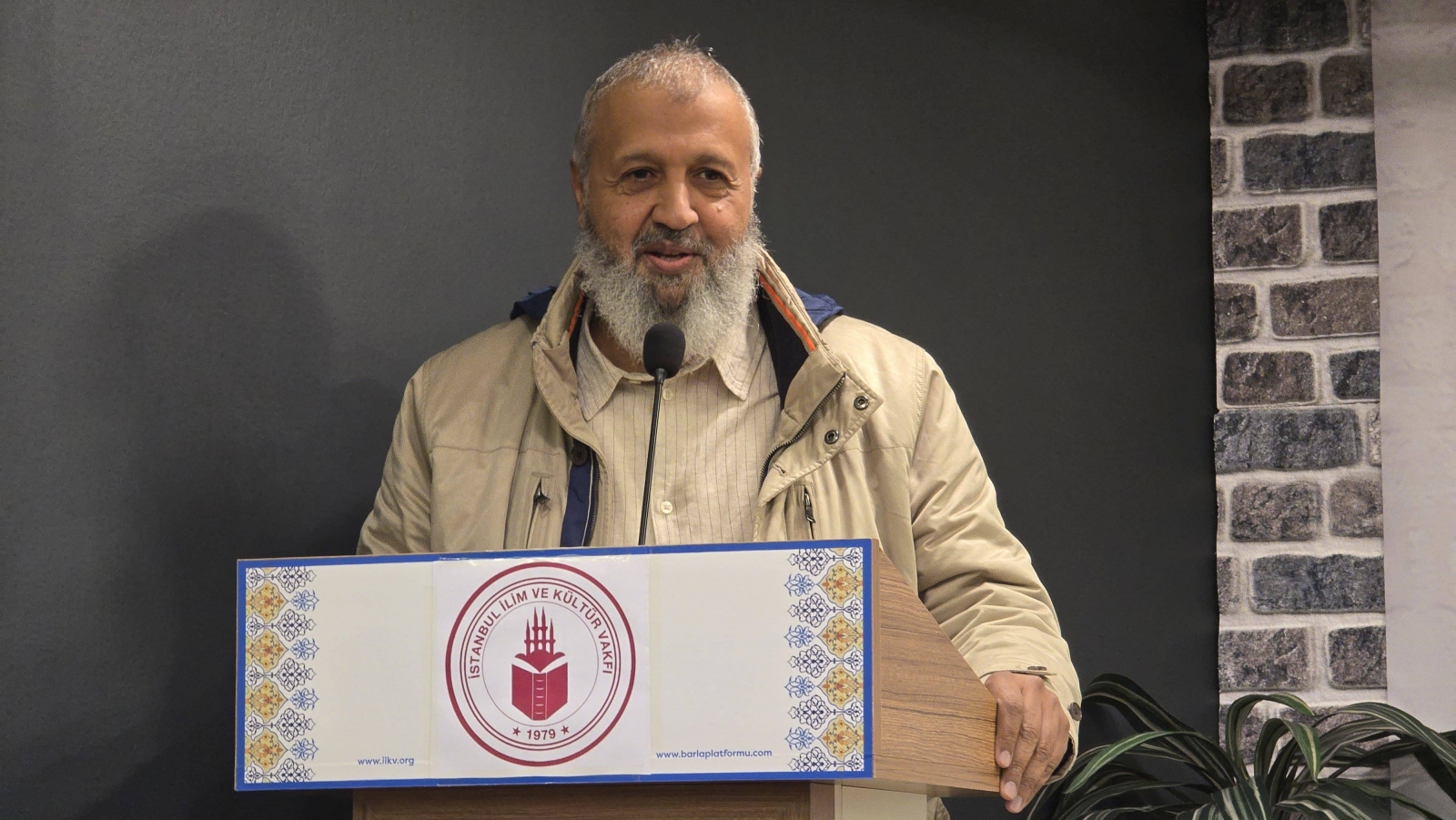
Abood Al Sawafi (Oman): Abood described the program as a “perspective-changing operation,” adding, “I’ve started directing my gratitude to Allah.” He intends to implement the model at Oman’s Islamic Dawah Center, saying:
“We used to separate science and spirituality, but now I believe they can be unified.”
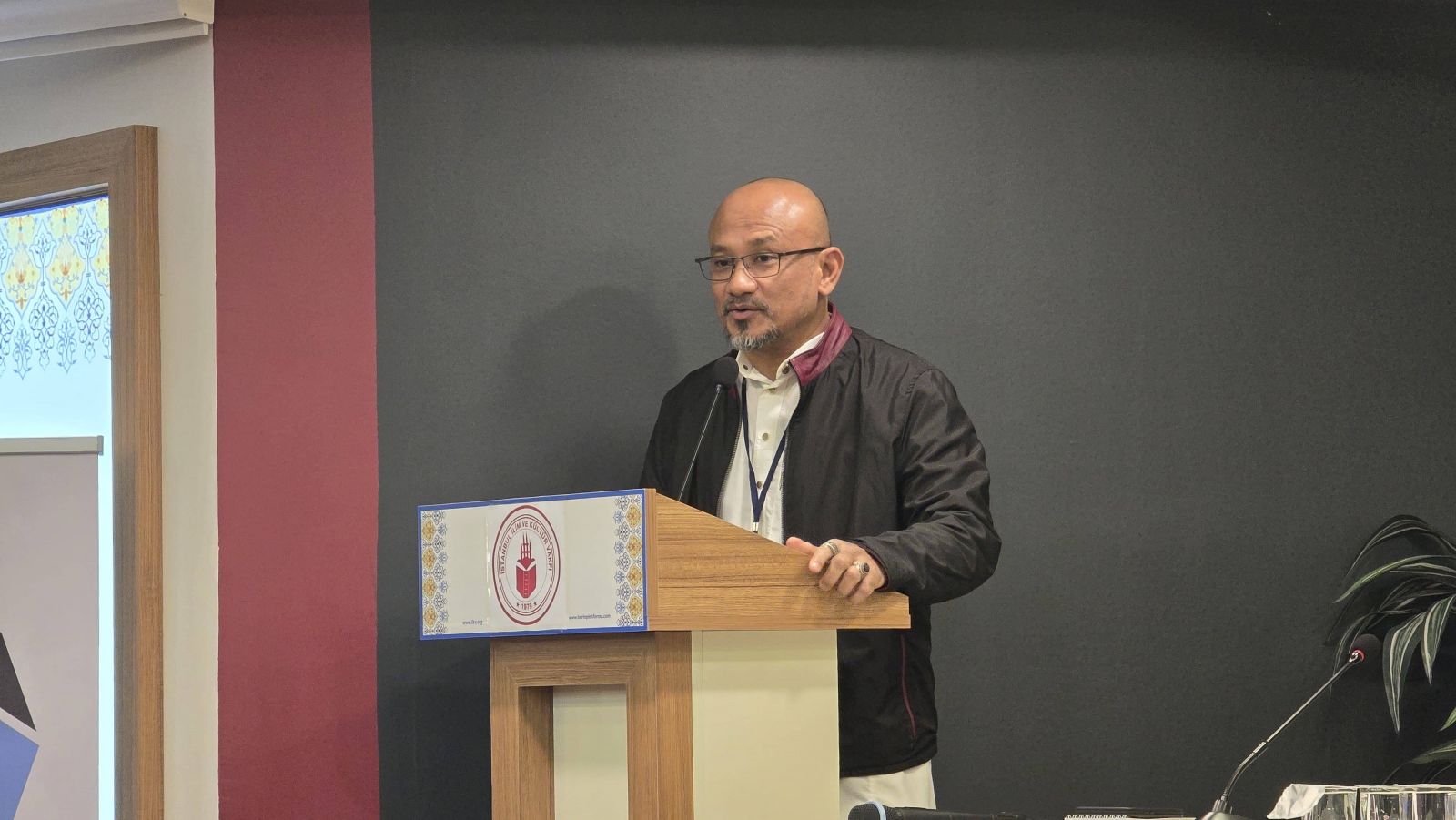
Redzuan (Malaysia): Redzuan outlined a three-phase plan to integrate the 5D Model into Malaysian schools, starting with pilot programs and eventually expanding to special education students by 2028.
“This model is Allah’s guidance for us, and I’m committed to spreading it across all our institutions.”
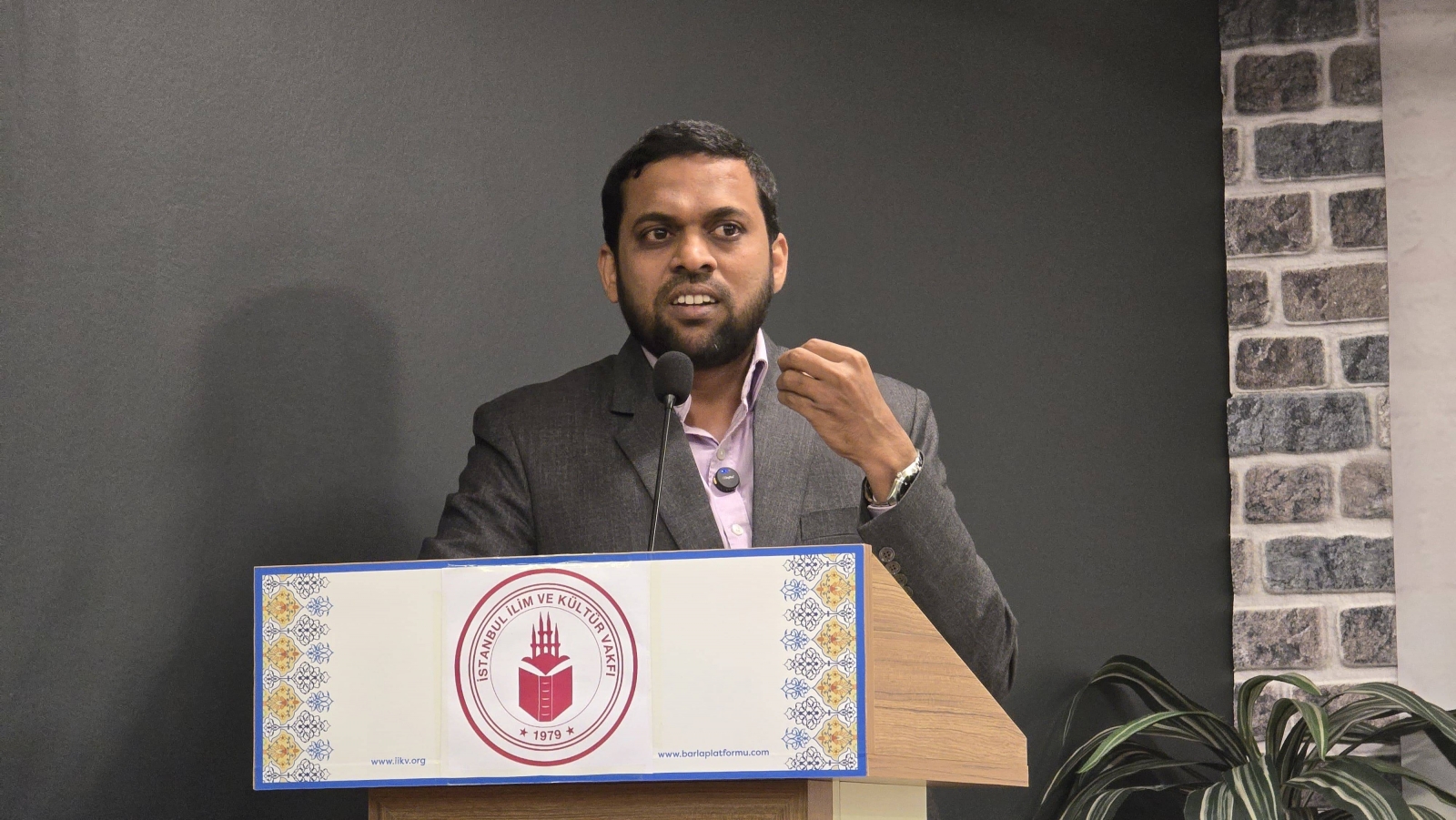
Mohammed Aslam Hyder Quraishi Bilal (India): Mohammed emphasized the need for action inspired by Said Nursi’s works, saying:
“Nursi became a symbol of change through his struggle against oppression. In India, where millions lack access to true Islamic education, his model is essential.”
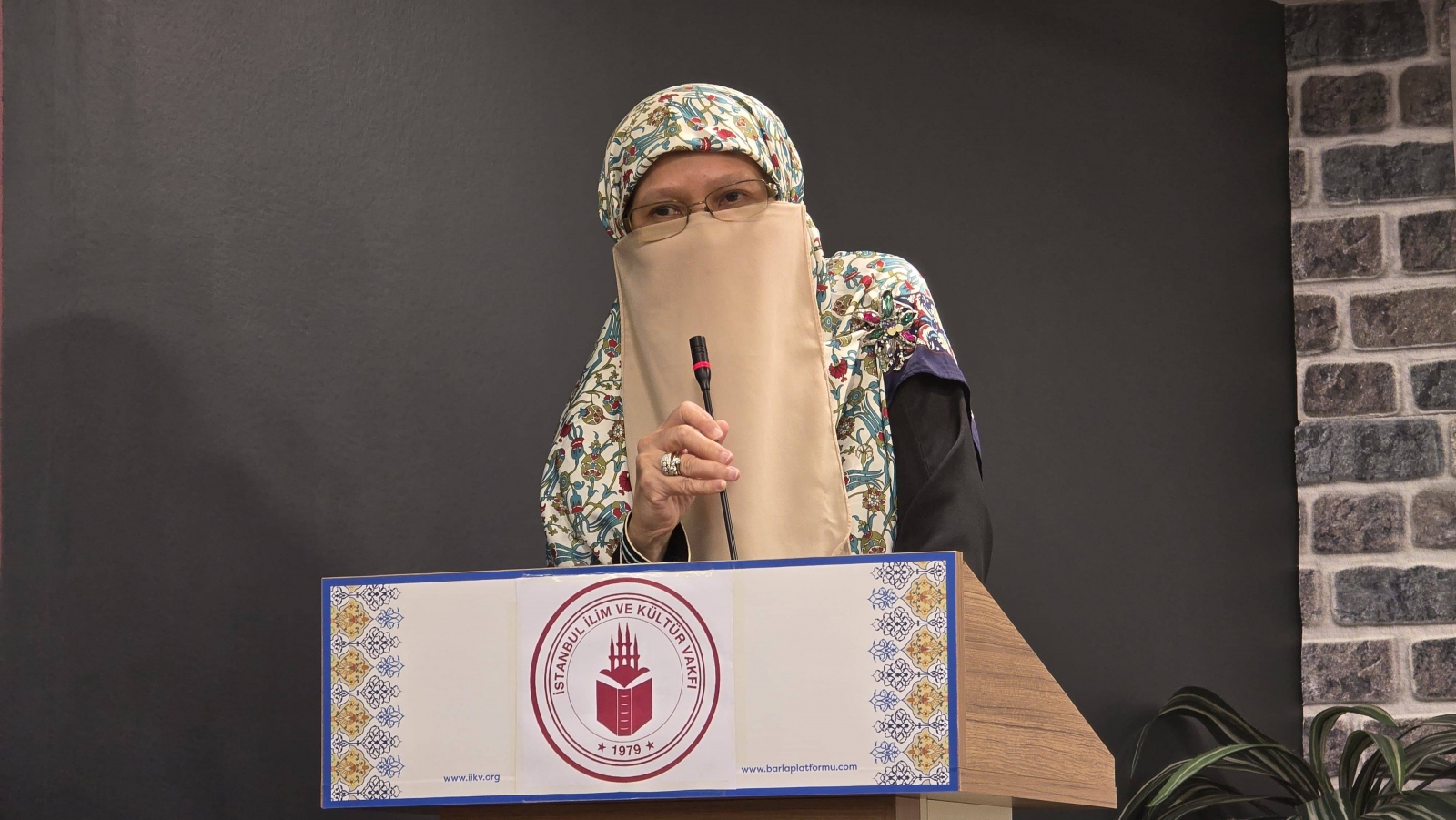
Noor Azizah Abu Hassan (Malaysia): Noor Azizah acknowledged the 5D Model’s role in addressing the shortcomings of rote learning and fostering integration between Islam and science.
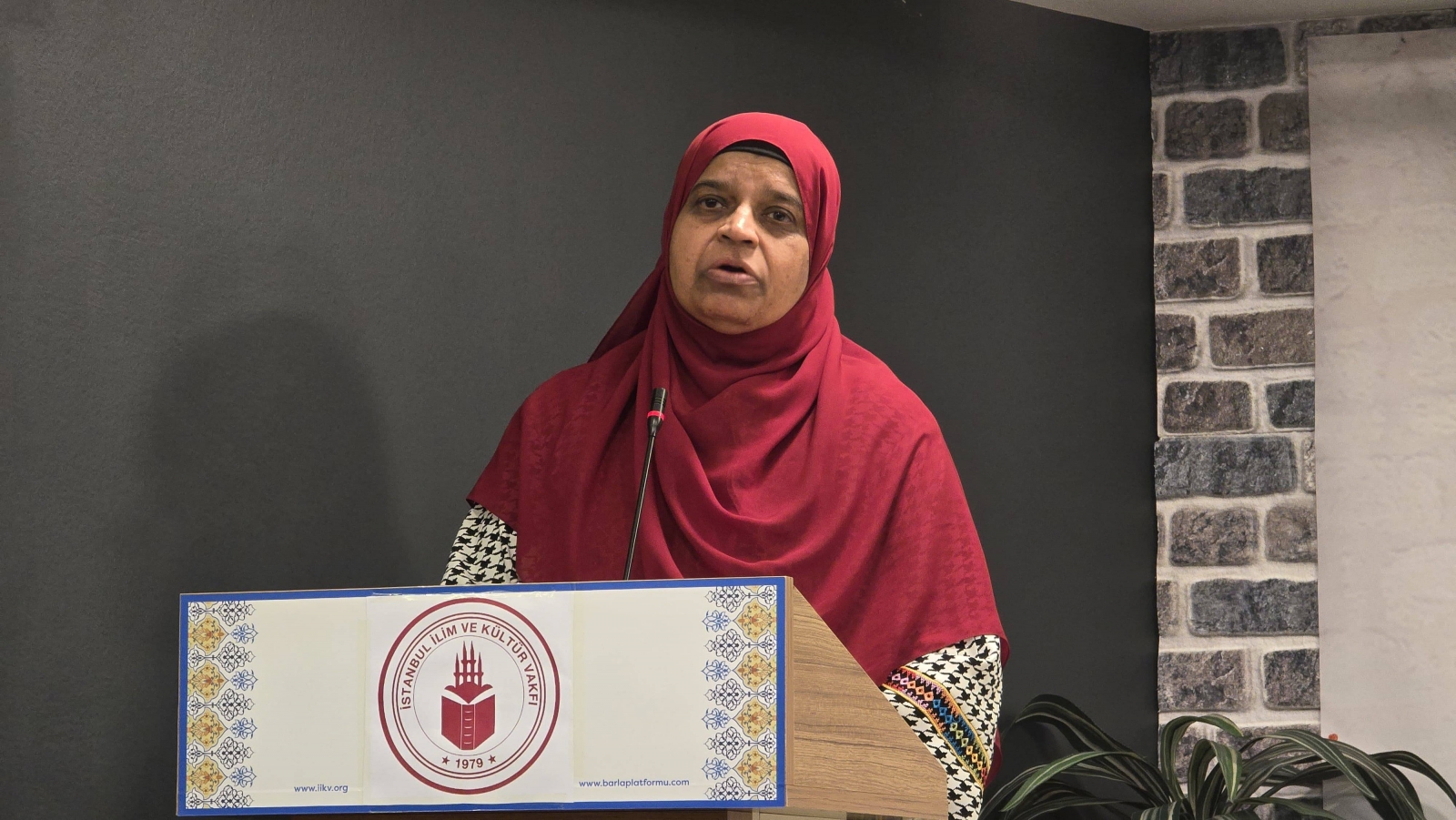
Shaheena Zohair (Oman): Shaheena expressed her profound transformation:
“I feel like I’ve been through a washing machine, cleansed of all secular impurities.” She plans to apply the model at her private school in Oman immediately.

Noor Zarina binti Habeeb Rahman (Malaysia): A mother of three and part-time teacher, Noor Zarina found the program eye-opening:
“The Qur’an is our light and moral guide. I’ll use this methodology to nurture both my children and others in my community.”
A New Dawn in Islamic Education:
The Five-Dimensional Thinking Model has emerged as a beacon of hope, blending Islamic values with modern educational methodologies. For many participants, it was not just an educational approach but a transformative experience.
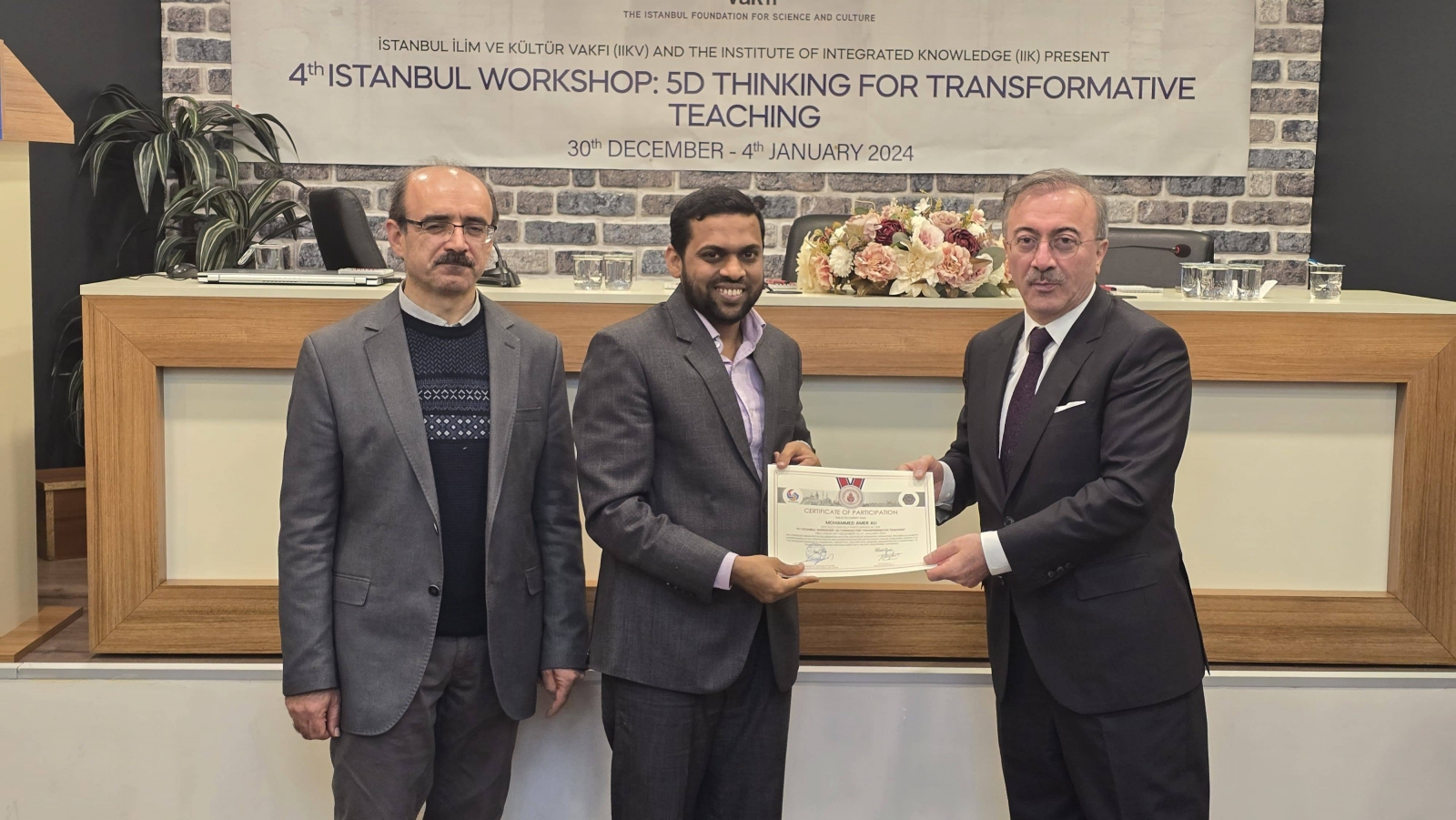
Following heartfelt speeches, participants were presented with certificates and gifts.
This program has provided attendees with a renewed perspective, inspiring them to carry these truths back to their communities and enact meaningful change.
.jpeg)
Related content
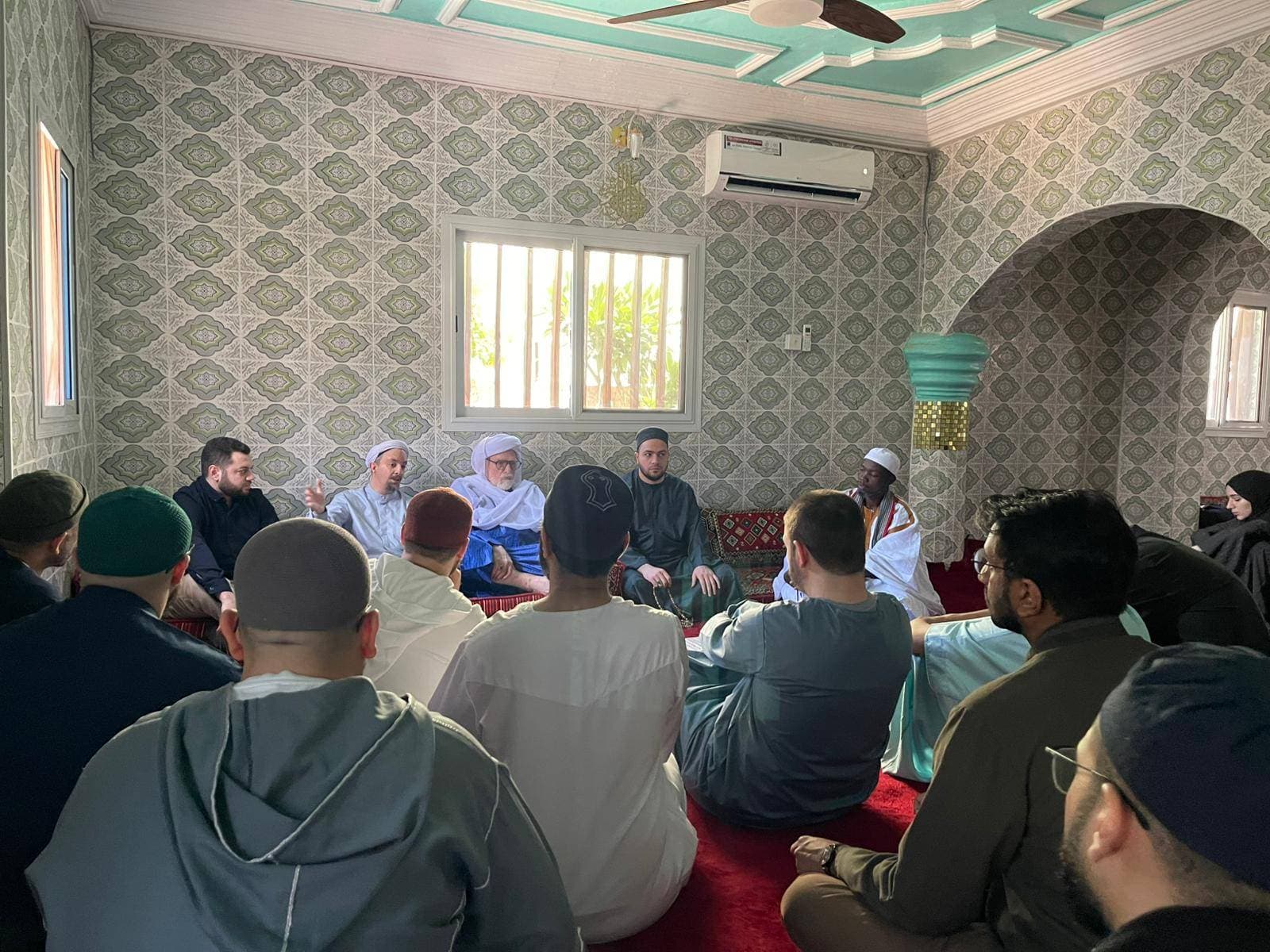
The International Unit of İİKV Explained Risale-i Nur at the Qadiri Gathering in Gambia
Representatives of the International Unit of the Istanbul Foundation for Knowledge and Culture (İİKV) attended the traditional annual gathering of the Qadiri community held in the African country of Gambia. As part of the program, the İİKV delegation came together with Sheikh Muhammad Gilani, one of the descendants of His Holiness Abdul Qadir Gilani and one of the most important spiritual leaders of the Qadiri path today. In the gathering, which took place in a spiritual atmosphere, various lessons and dhikr circles were conducted.