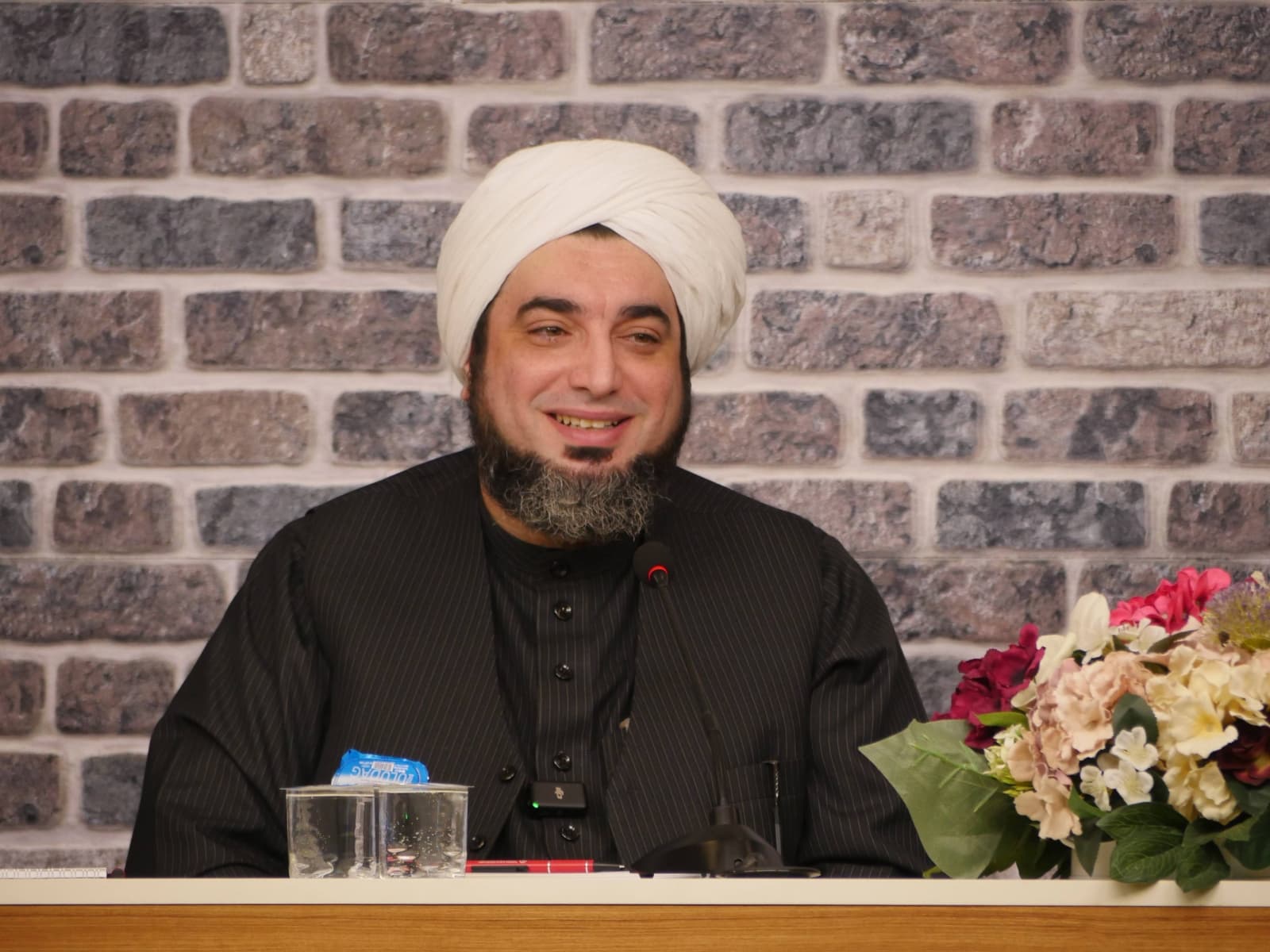
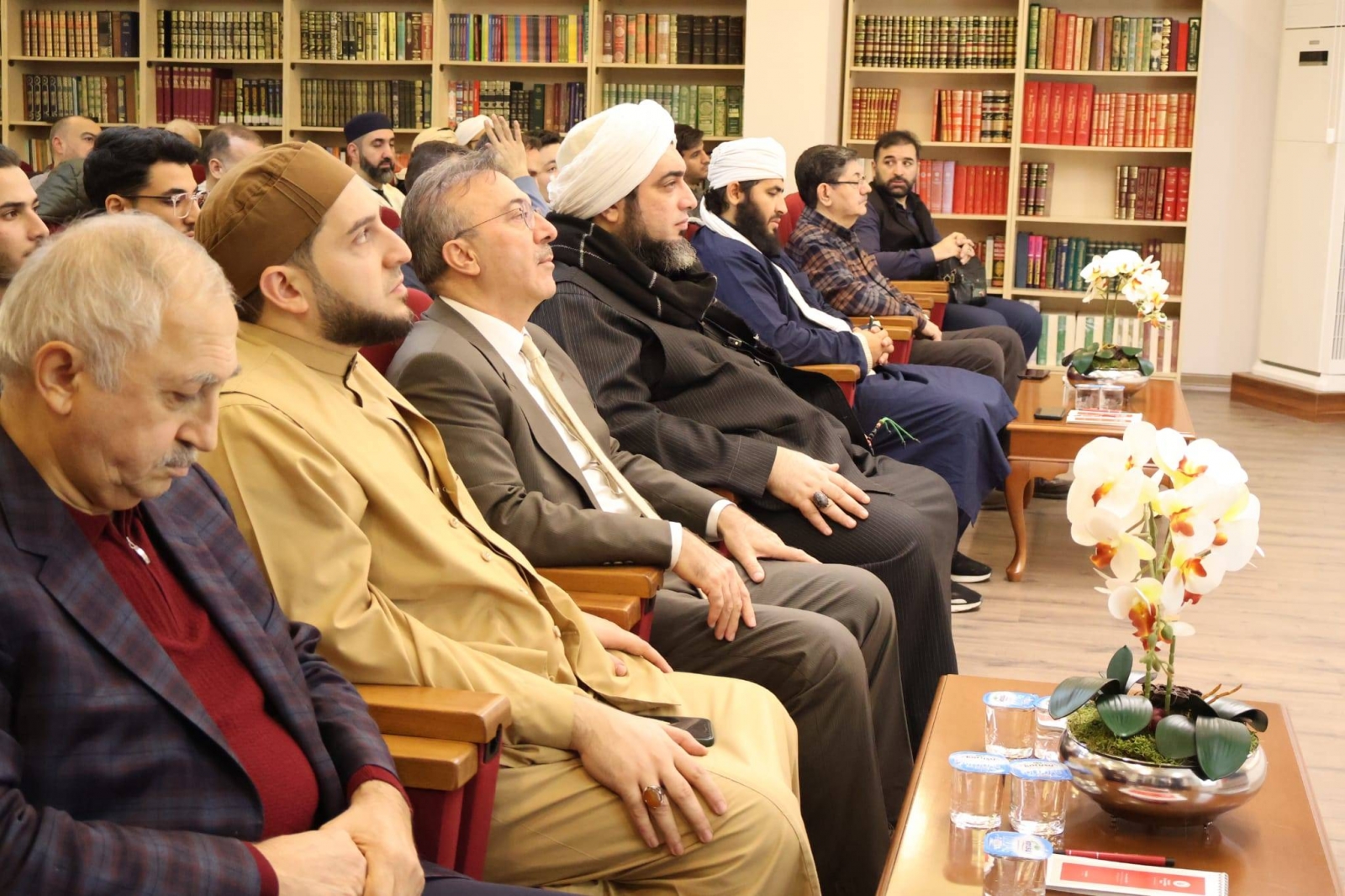
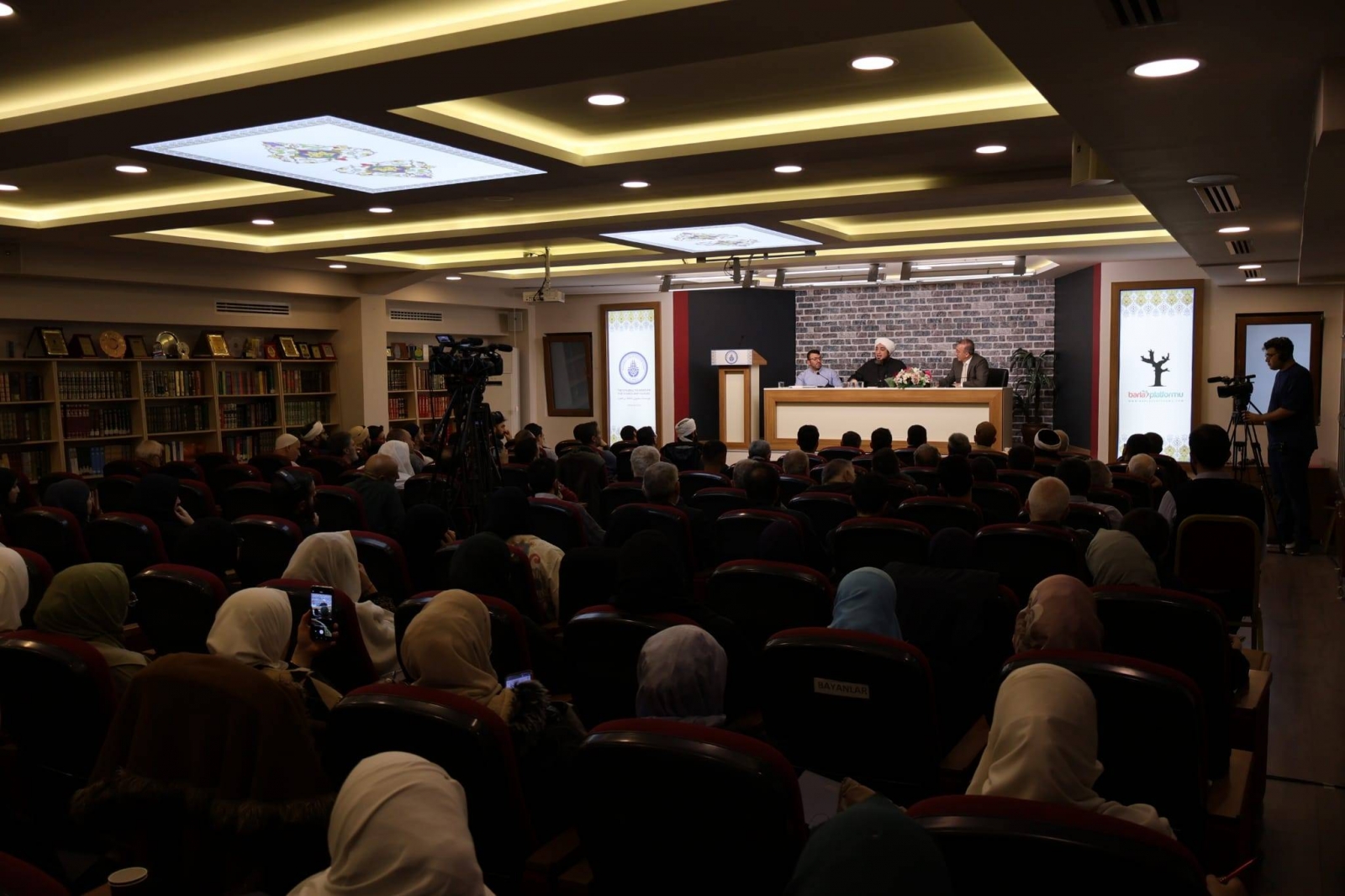
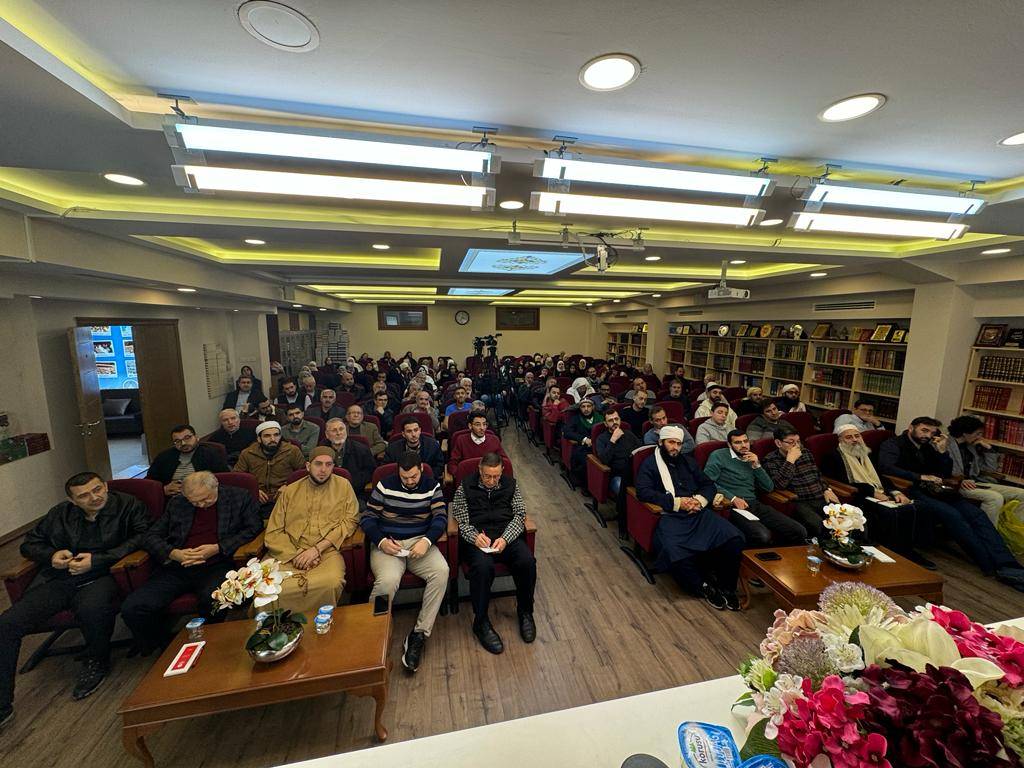
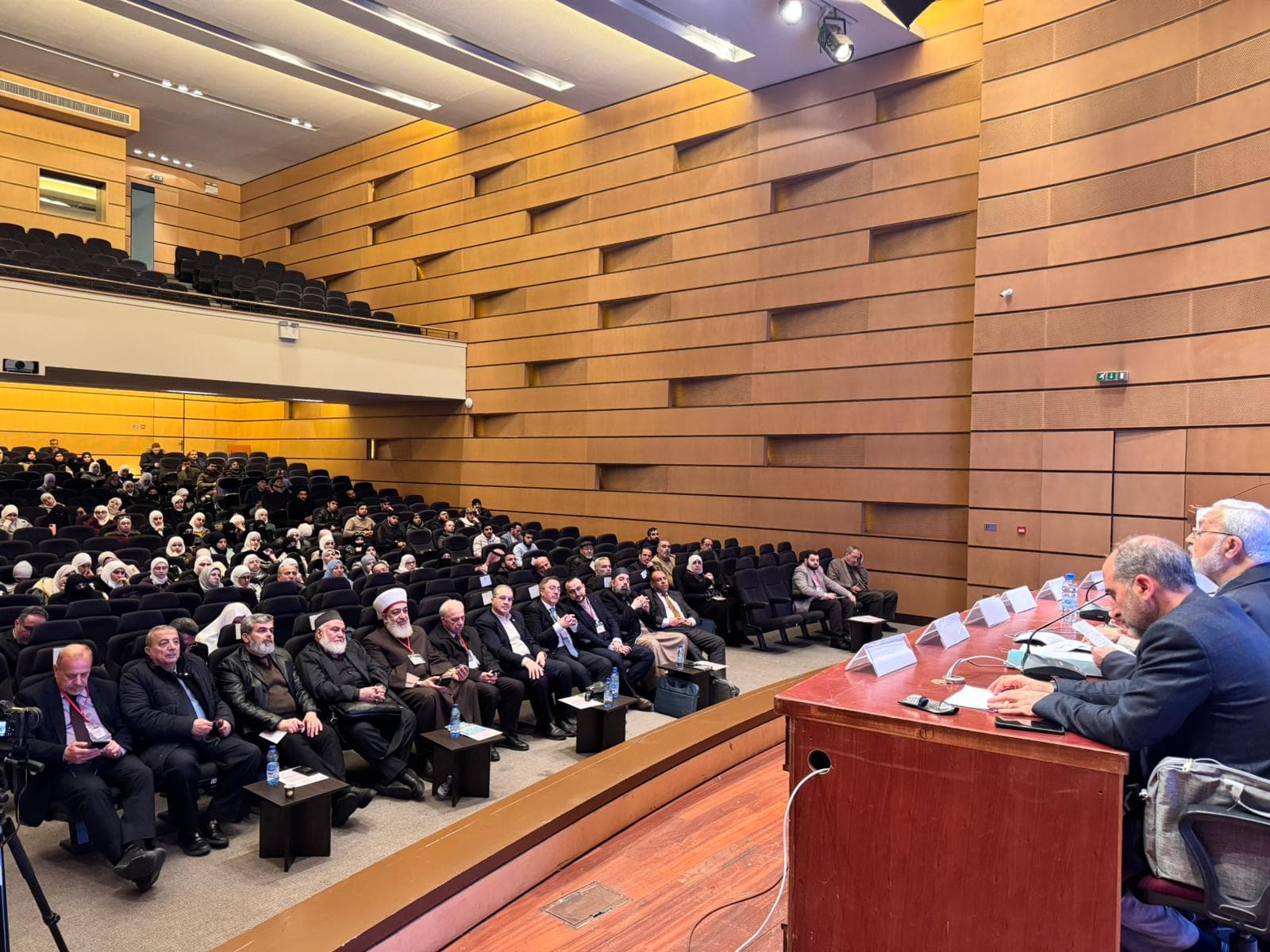
The special guest of this week's "Living with the Qur'an and Sunnah" seminar series organized by the Istanbul Foundation for Science and Culture was Awn Al-Qaddoumi, one of Jordan's distinguished scholars. The seminar titled "Our Mothers: The Blessed Wives of the Prophet (saw)" took place at the conference hall of the Istanbul Foundation for Education and Culture and received great interest.
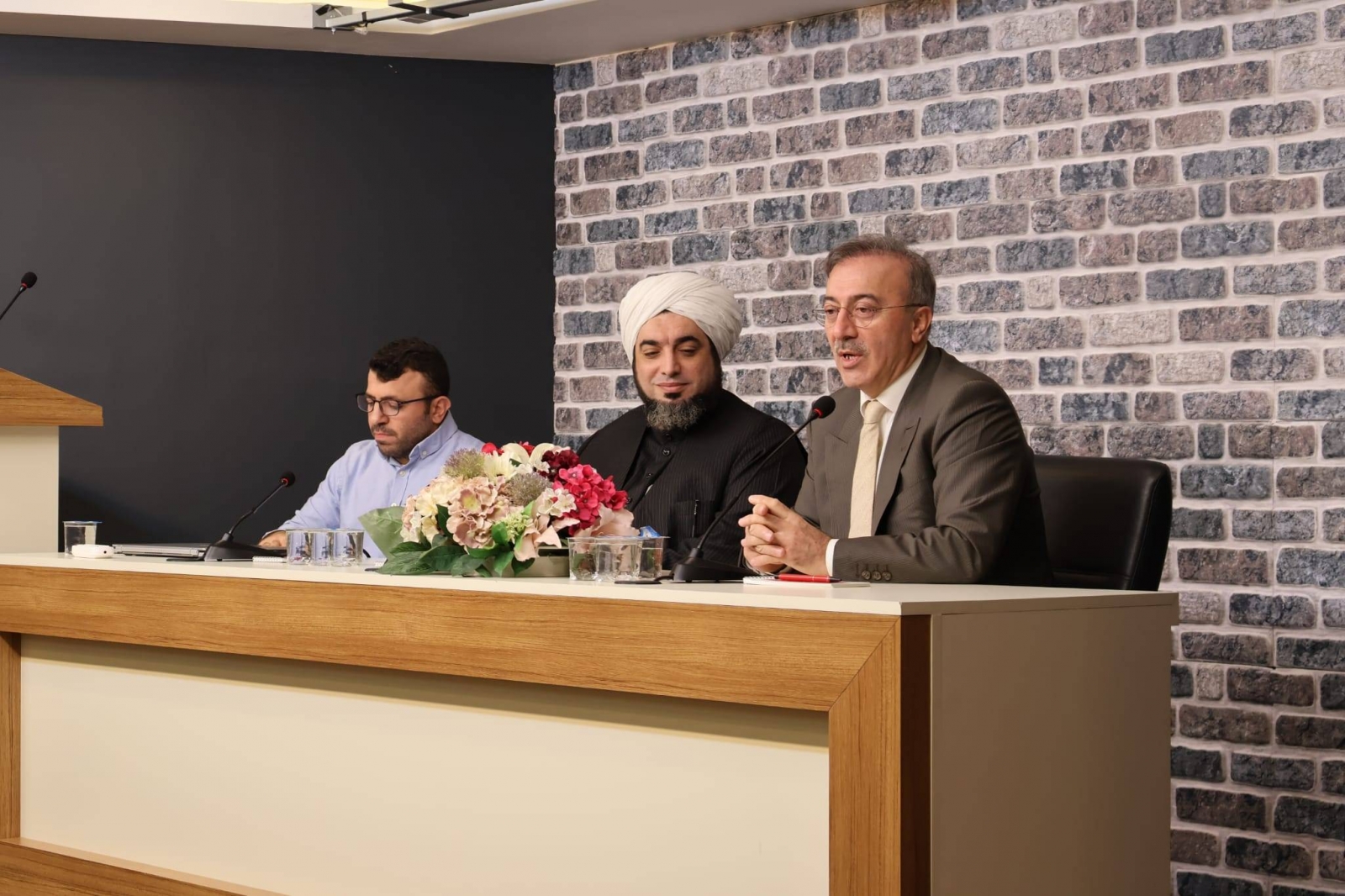
The seminar began with a recitation from the Quran, followed by a presentation speech by Said Yüce, the Chairman of the Executive Board of IIKV, introducing Awn Al-Qaddoumi.
Yüce briefly mentioned who Awn Al-Qaddoumi was and their previous meetings, then handed over the floor to him. Awn Al-Qaddoumi, who is from the Sayyid community in Jordan, started his speech by saying, "Here we are with the Master," referring to some words of Bediüzzaman Said Nursi about the seminar topic.
With Al-Qaddoumi’s impressive narrative about the Prophet's wives, participants were informed about the wisdom behind the Prophet's (pbuh) marriages with these exceptional women, the beautiful morals and virtues of "Our Mothers," and their contributions to Islam.
When speaking about the Prophet's daughter, Fatima (ra), Al-Qaddoumi mentioned the hadith: "Certainly, Fatima is a part of me; whoever hurts her, hurts me; whoever pleases her, pleases me. She is the light of my eyes and the fruit of my heart. She will be the first of my family to meet me." He also emphasized Allah's statement regarding the Prophet (saw): "Whatever he loves, I love, and whatever angers him, angers me."
Al-Qaddoumi stated that before the establishment of the Dar al-Arqam, there were 56 companions, and in Dar al-Arqam, there were 10 female companions. He mentioned that during the first six years of Hijra, 70 Muslims accepted Islam, and within the first six years, approximately 48 women embraced Islam.
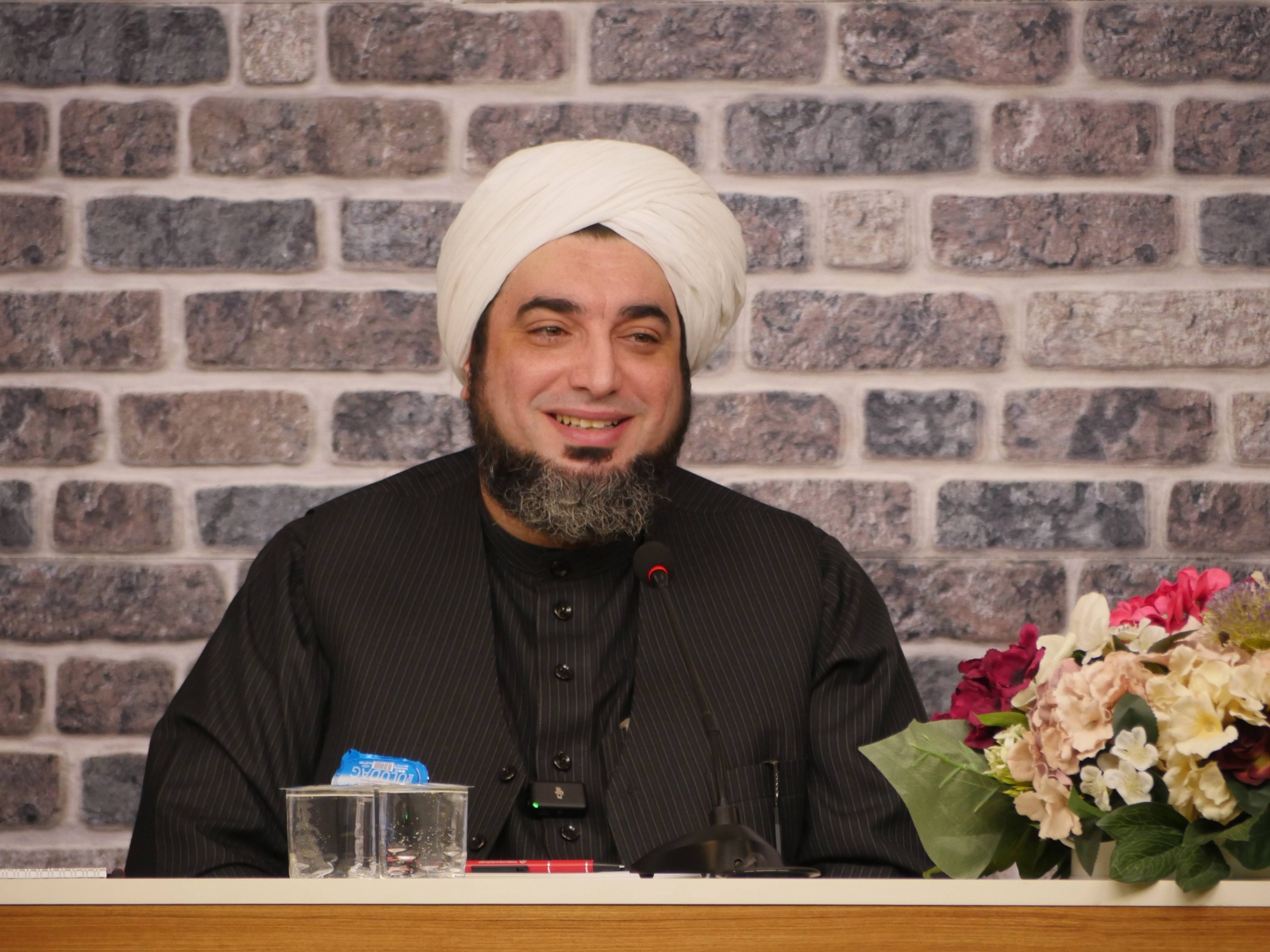
Al-Qaddoumi emphasized that many of the first Muslim women were from wealthy families, especially highlighting that most of them were wives or daughters of the enemies of the Prophet (saw). He also mentioned that one of the first Muslim women was Ummu Habiba (ra), the daughter of Abu Sufyan (ra).
Furthermore, Al-Qaddoumi underscored that the first invitation to Islam in Macca was organized by Muslim women from prominent families. He explained that many of these women, like our mother Sumayyah (ra), were martyred in Mecca. He added a hadith of the Prophet (saw) in which he addressed the family of Yasir, saying: "Be patient, O family of Yasir! Be patient, O family of Yasir! Be patient, O family of Yasir! Your reward is Paradise; be patient, O family of Yasir!"
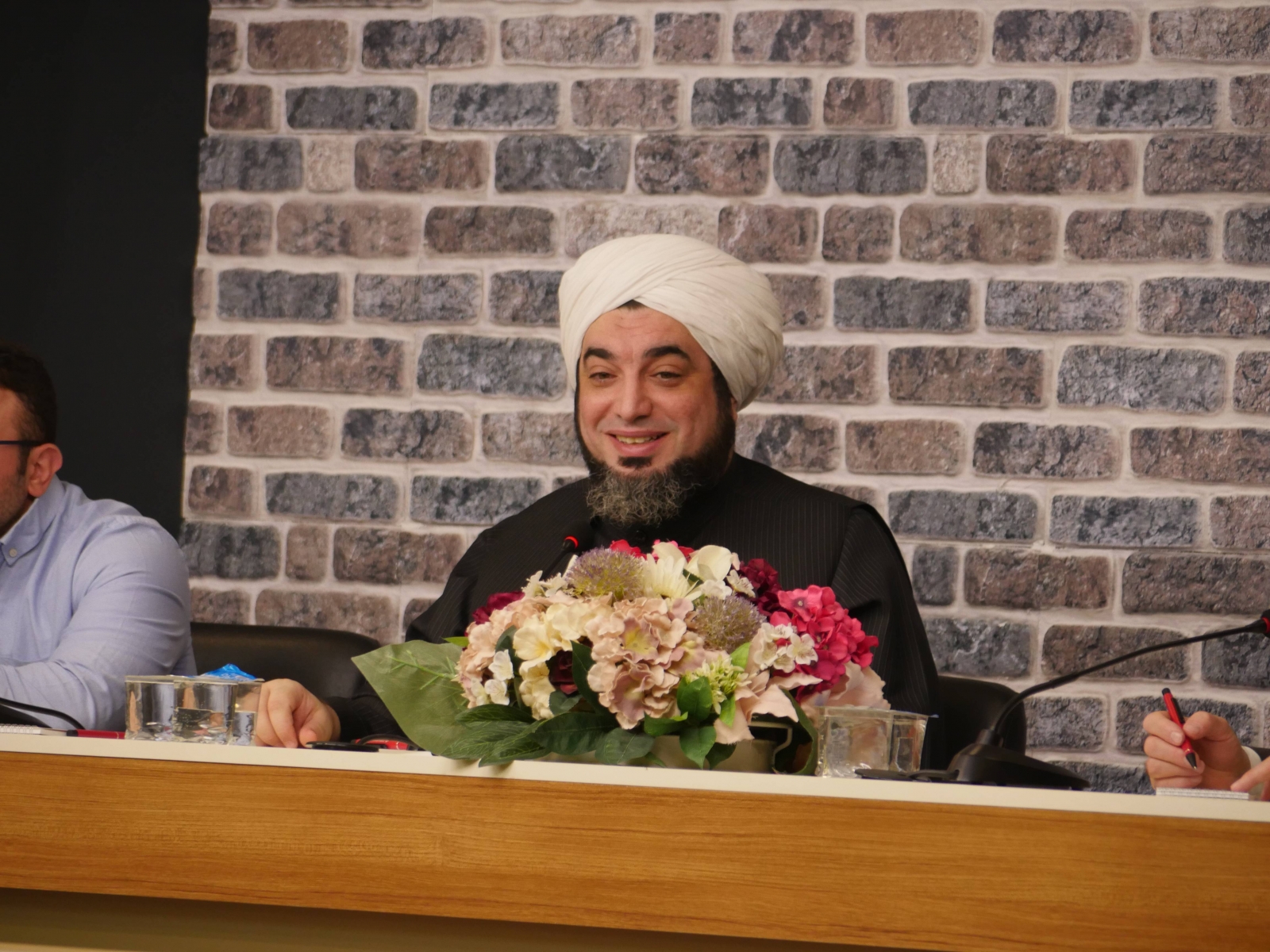
Continuing to talk about the female companions, Al-Qaddoumi gave an example from Asma (ra), the daughter of Abu Bakr (ra). He narrated how during the time of migration when the Prophet (saw) and Abu Bakr (ra) were migrating, Asma (ra) brought them food, emphasizing that this was a very dangerous task at that time.
Al-Qaddoumi also mentioned that around 20 women were among the Muslims who migrated to Abyssinia. He added that many of these women got married and had children there.
Providing important information about the women in the Prophet's household, Kuddumi enlightened the audience about the speeches, lessons, and conversations of the Prophet's daughters, his aunts Safiyyah bint Abdul Muttalib and Erva bint Abdul Muttalib, and his mothers-in-law.
Al-Qaddoumi spoke about the significant role of women in the life of the Prophet (saw). He emphasized that women had a place in every aspect of prophetic history and noted that the duty of women among the Ansar was twice as much as others.
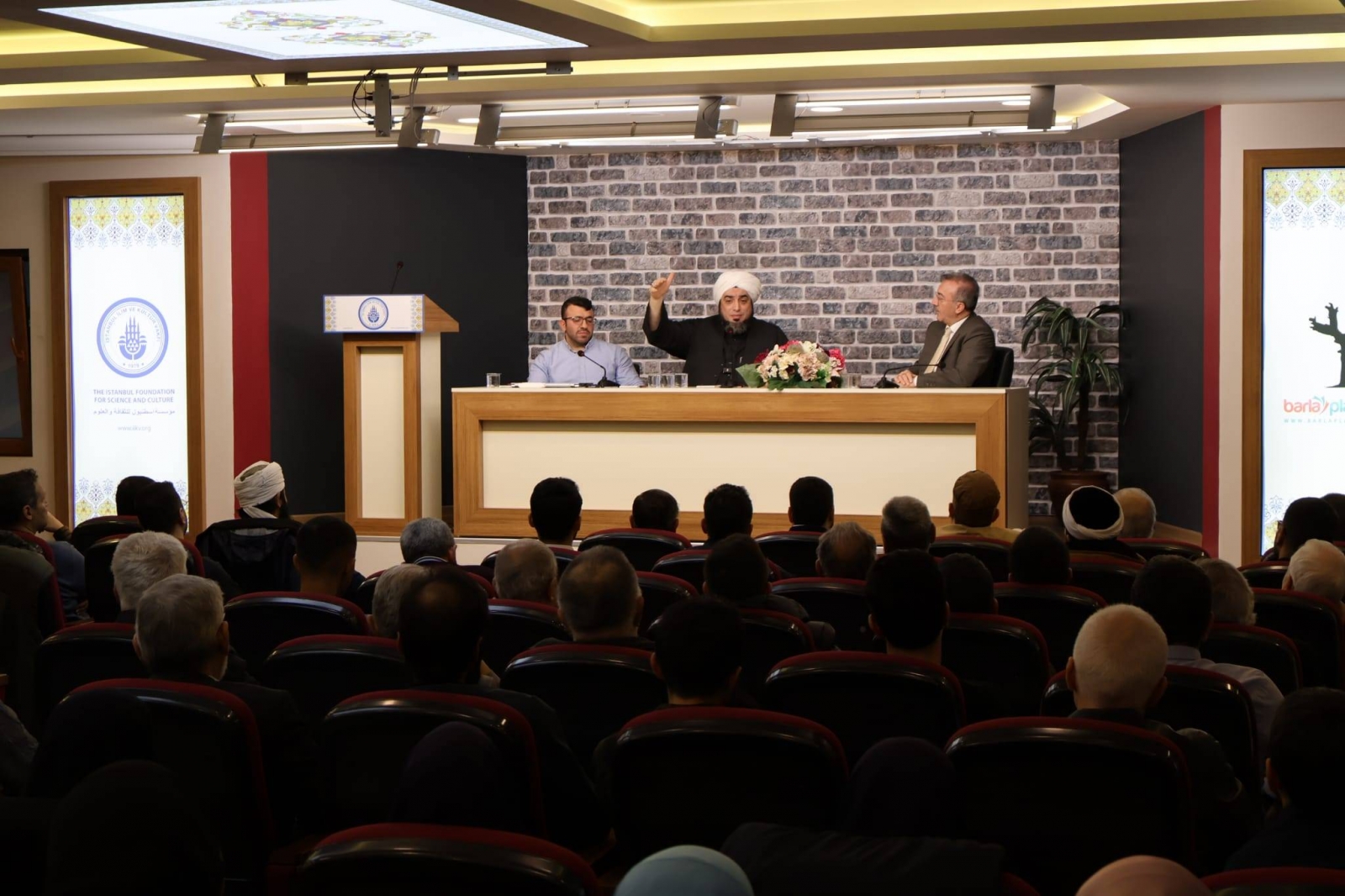
Al-Qaddoumi mentioned that a female companion led and managed the protocol group that welcomed visitors to meet the Prophet. He also stated that a female companion was responsible for setting up the treatment tent and establishing the first hospital, where female companions worked as nurses.
Al-Qaddoumi highlighted the significant role of female companions in battles as well. For example, he mentioned Umm Umare's (ra) bravery in defending the Prophet (saw) in many battles like Uhud, where she fought heroically and eventually attained the rank of martyrdom.
Explaining the point we aim to reach today, Kuddumi stressed the importance of understanding the role of women in the life of the Prophet (saw). He stated, "If we desire a spiritual elevation, we must reconsider and rearrange the position of women by considering the time of the Prophet." Then he quoted the following hadith from Abu Dawood:
"Women are the counterparts of men, completing and complementing them."
Al-Qaddoumi added that if a woman wants to see herself as a vicegerent of Allah on earth, she should realign herself according to the Quran and Sunnah with a heartfelt connection, drawing inspiration primarily from the Prophet's household (saw).
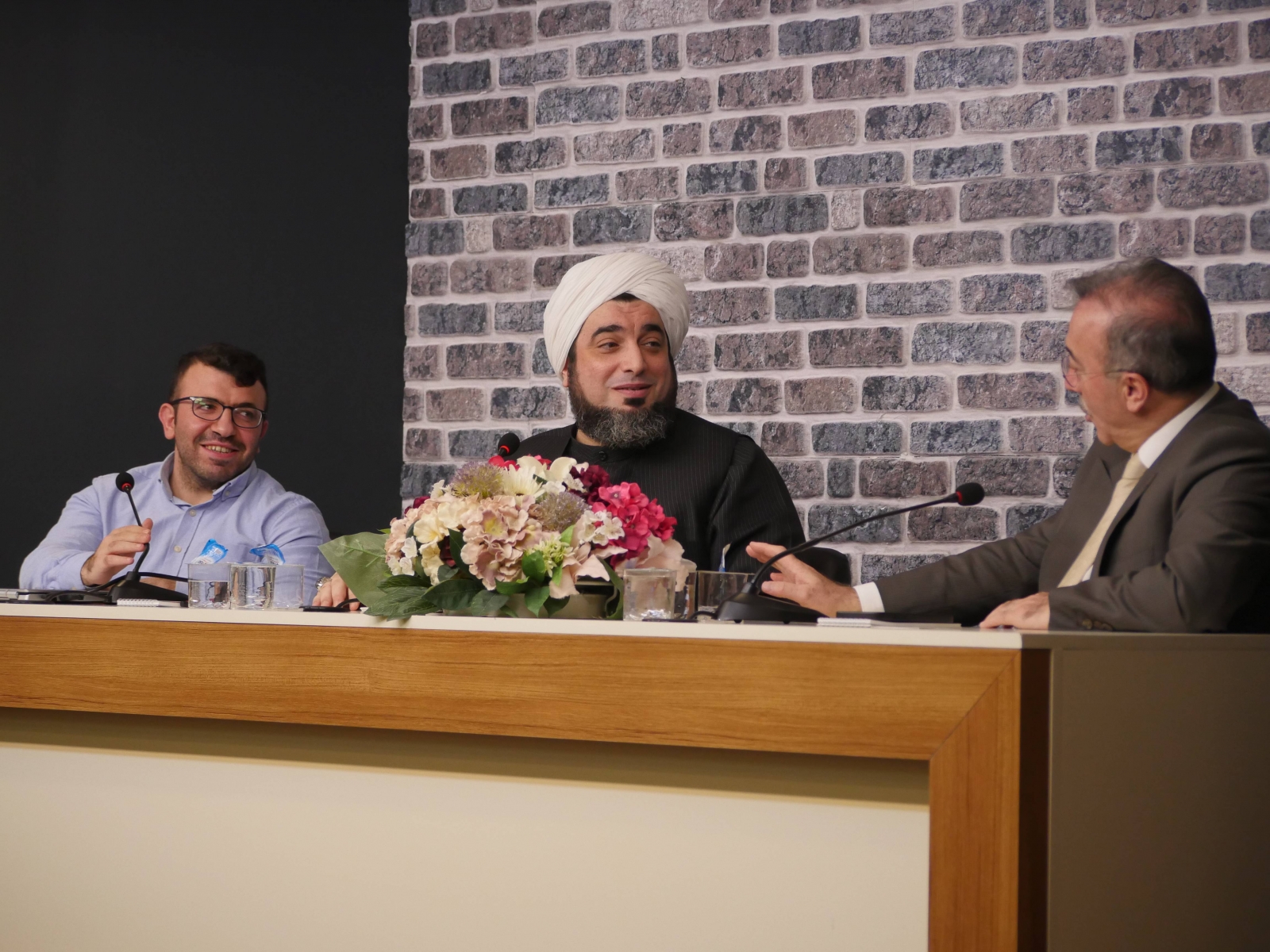
As he concluded his speech, summarizing all the stories and hadiths he shared, Al-Qaddoumi ended the seminar with the following words:
"In the life of the Prophet (saw), we see women serving in all professions; as scholars, doctors, writers, poets, as well as in cultural and artistic endeavors, business, and many other fields. If we see these examples in the time of the Prophet (saw), we can see them today as well. These women established households, migrated to Abyssinia, and participated in various aspects of life numerous times."
Finally, Al-Qaddoumi praised the Istanbul Foundation for Science and Culture as a "center of peace," thanked the foundation and the participants, and concluded the seminar by praying for the entire Muslim world.
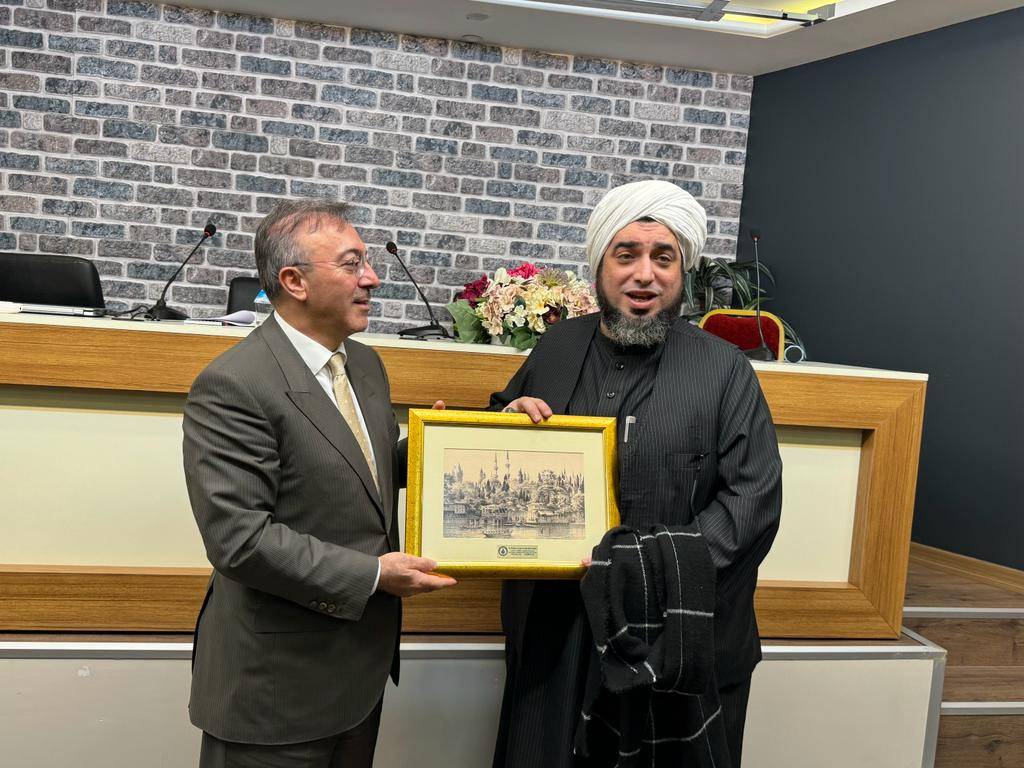
The program of the seminar ended with Al-Qaddoumi answering questions from the participants and presenting gifts.
Additionally, during the seminar, which was followed with great interest by the participants, special activities were organized for children at the IIKV Children's Workshop.
Related content
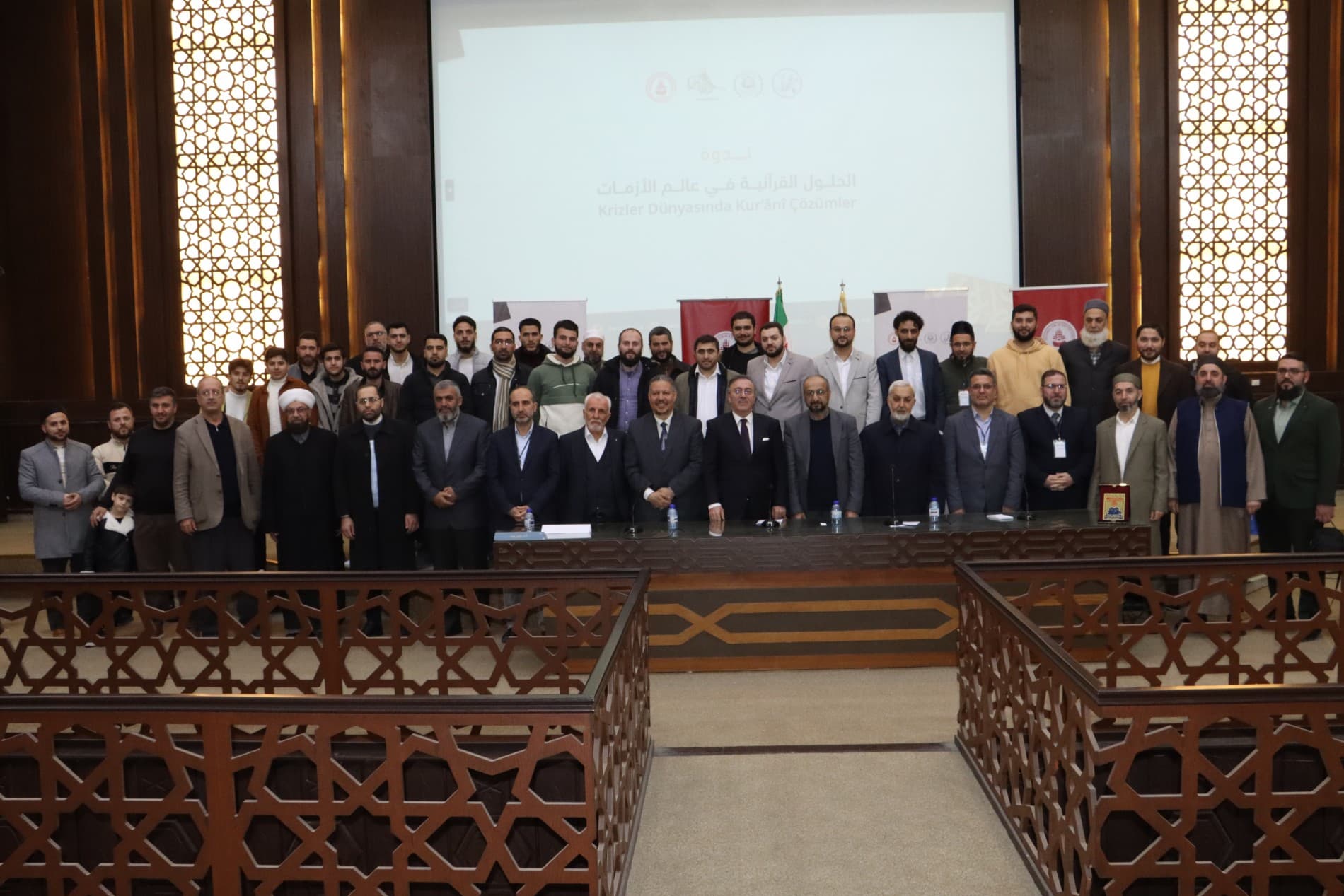
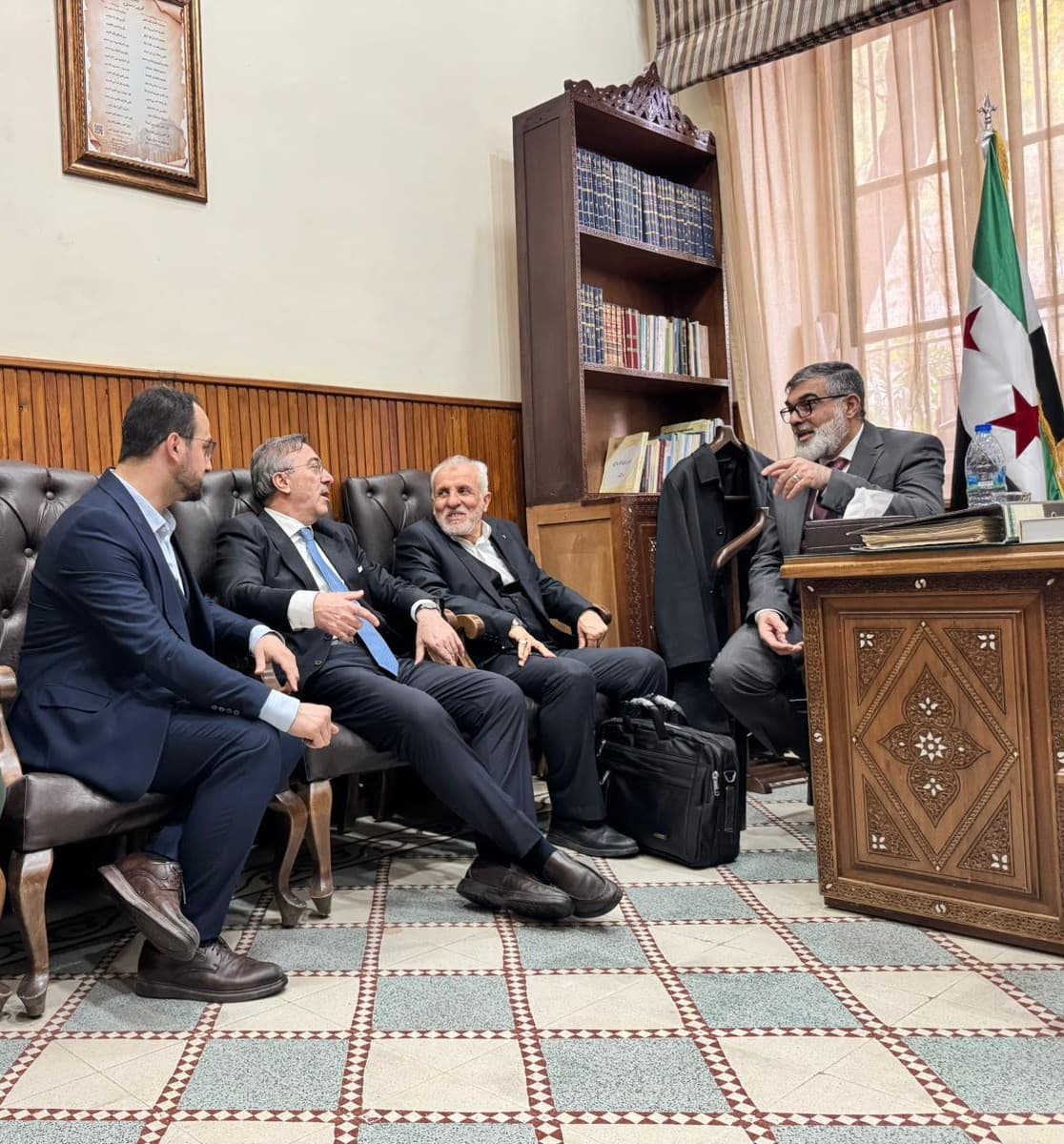
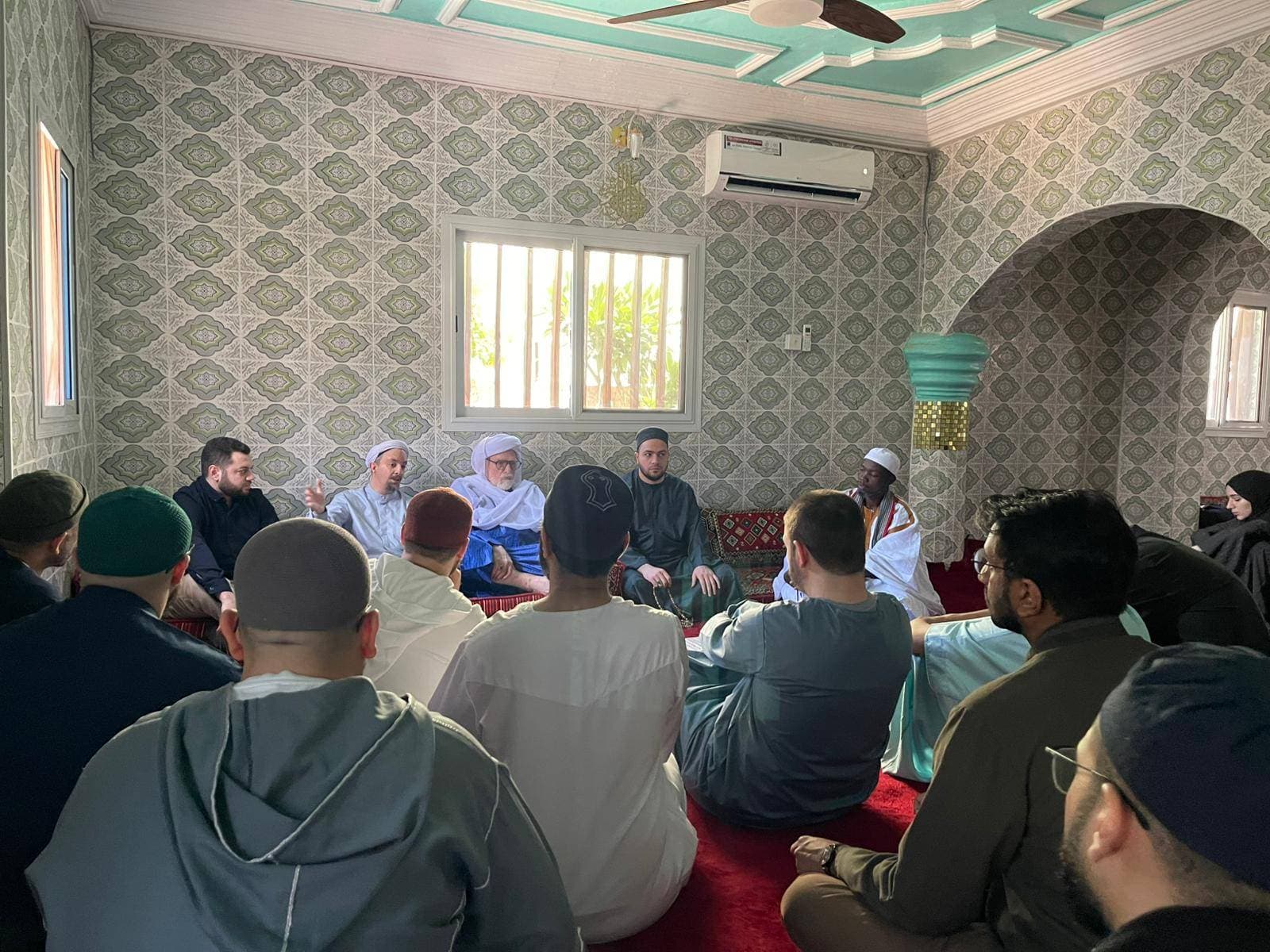
The International Unit of İİKV Explained Risale-i Nur at the Qadiri Gathering in Gambia
Representatives of the International Unit of the Istanbul Foundation for Knowledge and Culture (İİKV) attended the traditional annual gathering of the Qadiri community held in the African country of Gambia. As part of the program, the İİKV delegation came together with Sheikh Muhammad Gilani, one of the descendants of His Holiness Abdul Qadir Gilani and one of the most important spiritual leaders of the Qadiri path today. In the gathering, which took place in a spiritual atmosphere, various lessons and dhikr circles were conducted.